

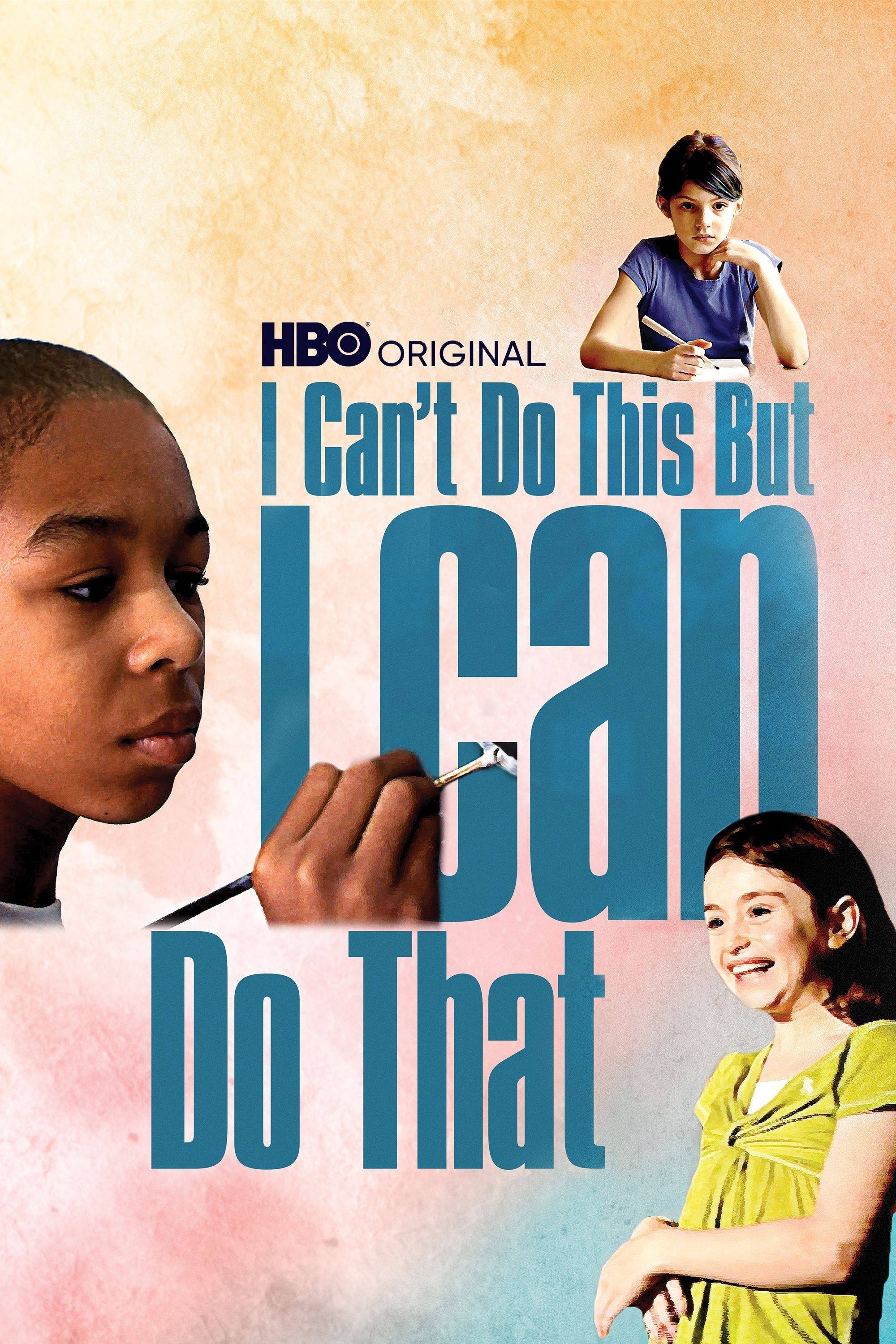
I Can't Do This But I CAN Do That: A Film for Families about Learning Differences
Documentary
Overview
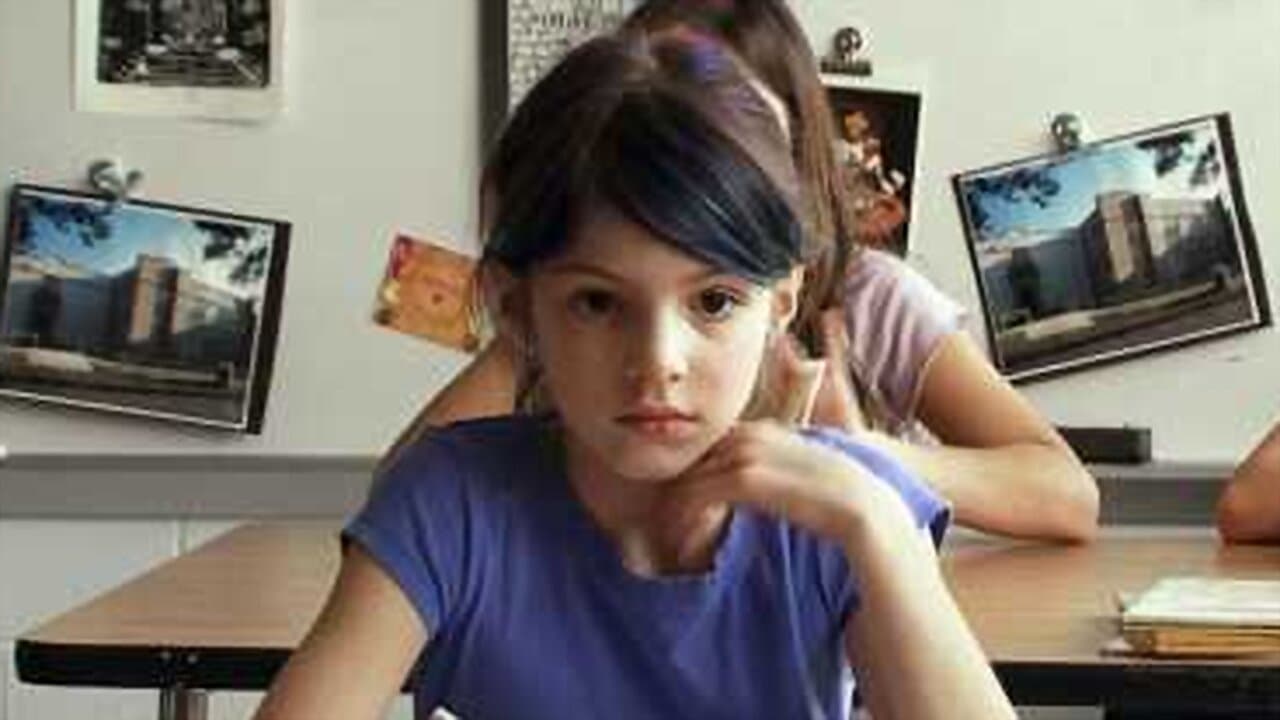
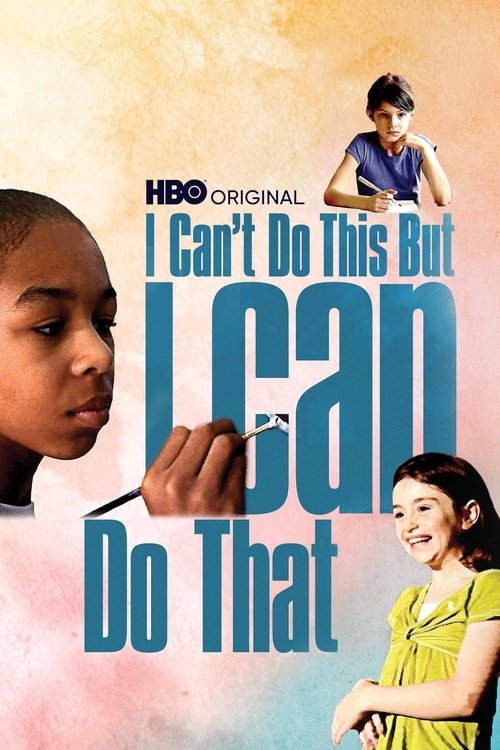
Does having a learning disability mean that you can’t learn? Eight children prove that the answer is a definitive 'No' in this documentary. Interviews with kids are intercut with scenes of the children engaged in activities that reflect their talents to form a compelling portrait of the ways in which these young people use their strengths to overcome their challenges.








Michael Hall D'Addario
Michael Hall D'Addario
Narrator (as Michael D'Addario)
Michael Hall D'Addario
Narrator (as Michael D'Addario)
Similar Movies
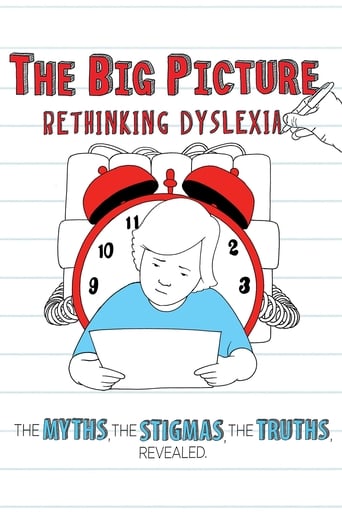
Though up to 20% of students are dyslexic, many pass through school unidentified, misunderstood and performing below their potential. Paradoxically, these disorders are often found in highly intelligent, creative minds, and can also be seen as a gift, because many people with dyslexia naturally think outside the box and see the big picture, finding alternative solutions to problems that others might not see.
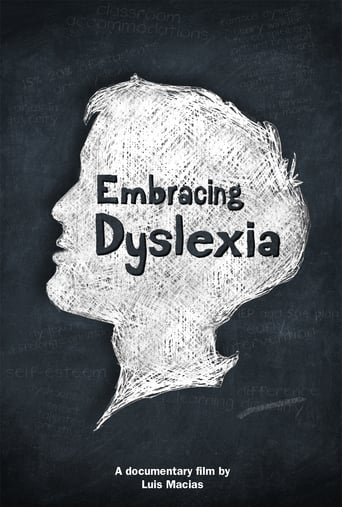
Embracing Dyslexia is a thought-provoking exploration of dyslexia from and insider's perspective, weaving together interviews with parent, adult dyslexics, and experts to provide an accurate portrayal of a learning difference that affects 15 to 20 percent of the population. Parents share emotional stories of their children's struggles with reading, writing, and spelling and the impact the word dyslexia had on their lives. Adult dyslexics speak candidly of the struggles and successes they had in school. And experts define what dyslexia is and illustrate how effective tutoring, classroom accommodations, and recognizing and fostering the natural strengths of a child with dyslexia can take them from feeling stupid and experiencing failure on a daily basis to believing in themselves and knowing that they can be successful.
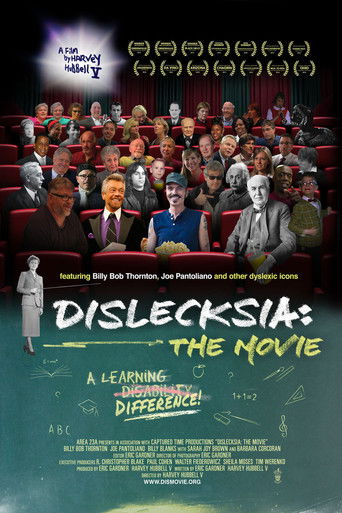
Dislecksia: The Movie, dyslexic director Harvey Hubbell V and crew explore Hubbell's own experiences about growing up as a dyslexic while also looking into the latest scientific research and educational developments regarding the condition. They examine how the education system in the US handles students with learning disabilities, and explore ways in which this treatment can be changed to improve the social status of dyslexics. And along the way, they meet a variety of dyslexics from very different backgrounds who share their experiences and demonstrate that dyslexics are not disabled - just different.
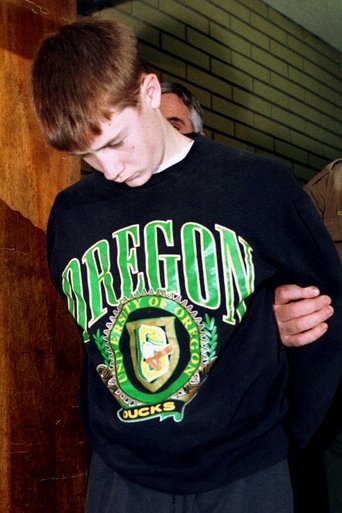
In May 1998, a year before the massacre at Columbine High, 15-year-old Kip Kinkel murdered his mother and father, and then opened fire at Thurston High School in Springfield, Oregon, killing two fellow students and wounding 25 others. In this first in-depth television examination of a school shooter, FRONTLINE reveals the intimate inside story of how the “shy and likeable” Kip Kinkel from a solid middle-class family became the boy police call “a cold-hearted killer.”
Misunderstood by his family, abandoned by the system, and desperate for respect, a dyslexic teenager becomes a drug dealer struggling to balance his addiction and debt to a local gangster while a rival threatens to destroy his world, driving him apart from the girl he loves and a daughter he's never known.
Ishaan Awasthi is an eight-year-old whose world is filled with wonders that no one else seems to appreciate. Colours, fish, dogs, and kites don't seem important to the adults, who are much more interested in things like homework, marks, and neatness. Ishaan cannot seem to get anything right in class; he is then sent to boarding school, where his life changes forever.