

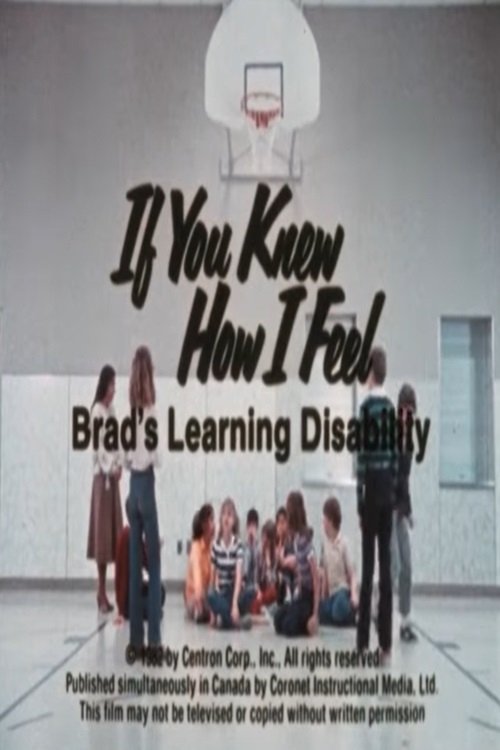
If You Knew How I Feel: Brad's Learning Disability
Documentary
Overview
Nobody's perfect. We've all got our strengths and weaknesses. Kristi knew her weakness and discovered Brad's -- dyslexia, a learning disability. She learned what a learning disability is, and about handicaps -- those you see and those you don't.




No cast information.
Similar Movies
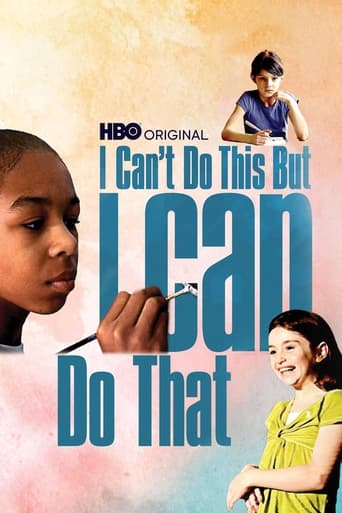
Does having a learning disability mean that you can’t learn? Eight children prove that the answer is a definitive 'No' in this documentary. Interviews with kids are intercut with scenes of the children engaged in activities that reflect their talents to form a compelling portrait of the ways in which these young people use their strengths to overcome their challenges.
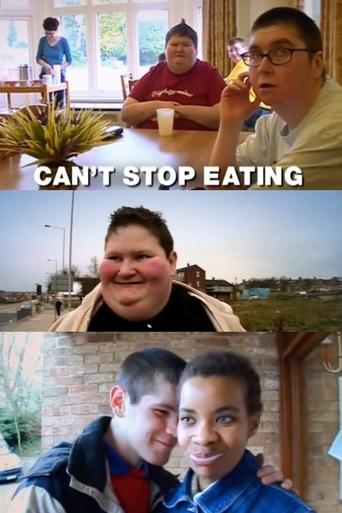
This documentary follows a small number of British people with an incurable genetic disease called Prader-Willi syndrome. This rare disorder makes the sufferer unable to control their eating habits. Prader–Willi syndrome is a rare genetic disorder in which seven genes (or some subset thereof) on chromosome 15 (q 11-13) are deleted or unexpressed (chromosome 15q partial deletion) on the paternal chromosome. The film is set in Gretton House, near Kettering in England, which is a government-funded care home deliberately constructed to assist people with PWS. The film focuses on a new resident, Joe Blackburn, who is 21 and begins the documentary weighing over 30 stone (190 kg, 420 lbs) and with fears for his health. Resident Tamara Allwood is also featured, who was at one point close to death from overeating.
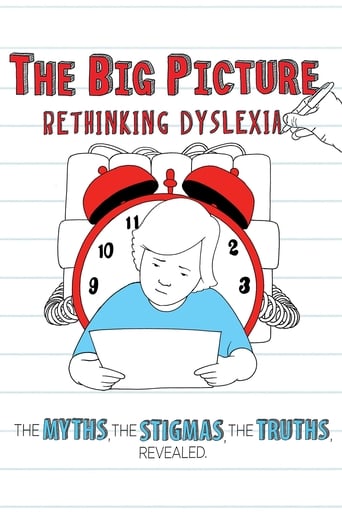
Though up to 20% of students are dyslexic, many pass through school unidentified, misunderstood and performing below their potential. Paradoxically, these disorders are often found in highly intelligent, creative minds, and can also be seen as a gift, because many people with dyslexia naturally think outside the box and see the big picture, finding alternative solutions to problems that others might not see.
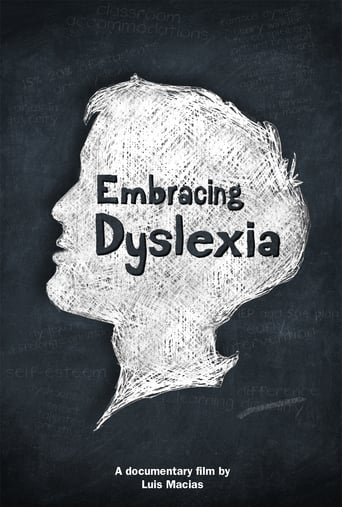
Embracing Dyslexia is a thought-provoking exploration of dyslexia from and insider's perspective, weaving together interviews with parent, adult dyslexics, and experts to provide an accurate portrayal of a learning difference that affects 15 to 20 percent of the population. Parents share emotional stories of their children's struggles with reading, writing, and spelling and the impact the word dyslexia had on their lives. Adult dyslexics speak candidly of the struggles and successes they had in school. And experts define what dyslexia is and illustrate how effective tutoring, classroom accommodations, and recognizing and fostering the natural strengths of a child with dyslexia can take them from feeling stupid and experiencing failure on a daily basis to believing in themselves and knowing that they can be successful.