

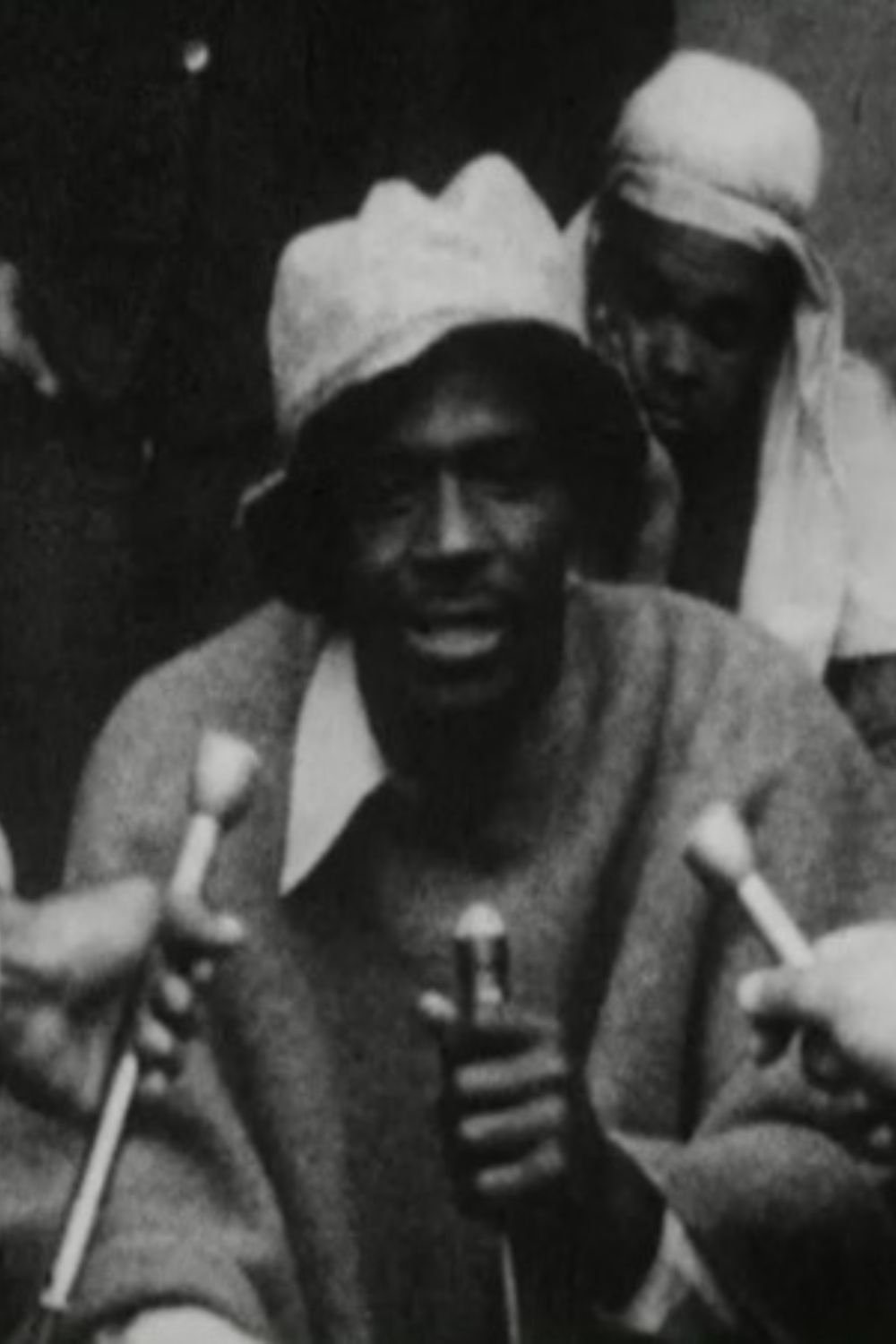
Teach Our Children
Documentary
Overview
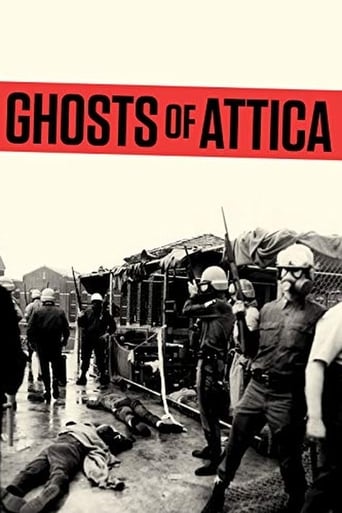
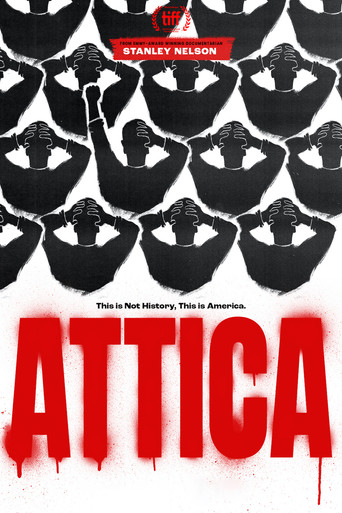
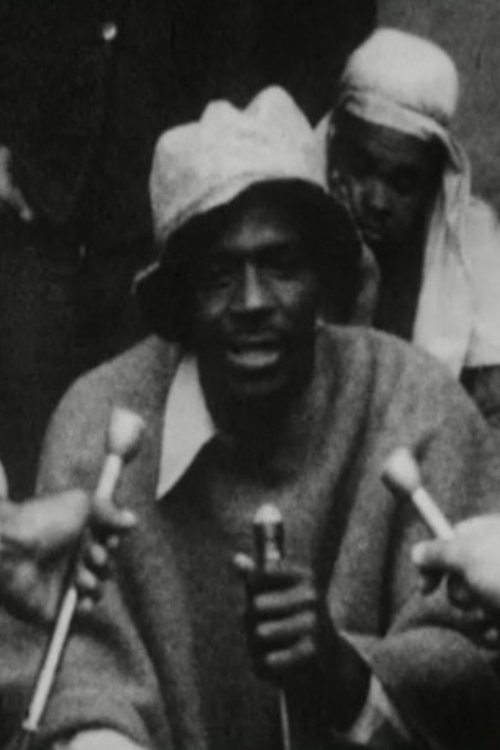
DocumentaThis film focuses on the historic 1971 Attica prison rebellion in upstate New York. It targets the conditions that caused prisoners to take drastic steps toward securing their basic rights. The film questions the reactions of prison warden Oswald, New York governor Nelson Rockefeller and President Nixon, as well as the death of 31 inmates and prison guards from bullets fired by the National Guard. Through on-site footage taken during and following the rebellion, and follow-up interviews with inmates, this film relates a powerful message concerning prisoner's rights and provides an important historical document. A Third World Newsreel production.ry about the 1971 rebellion at Attica State Prison.
No cast information.
Similar Movies
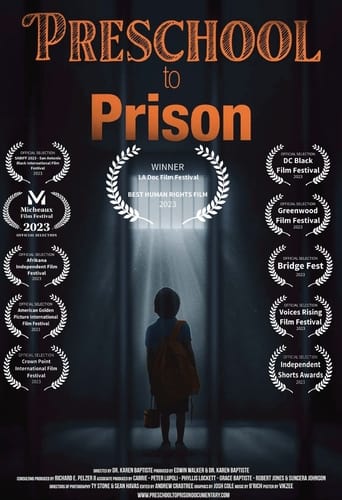
Preschool to Prison is a compelling examination of how the United States public school system is built and operated like prisons. Zero-tolerance policies are used to justify suspension and arrests that set up a pathway to send children of color and children with special needs from school to prison. Children are being suspended, restrained, dragged, physically manhandled, and subsequently arrested for minor offenses such as throwing candy on a school bus. These personal accounts from people affected by the school-to-prison pipeline give riveting tales about the generational impact on society.
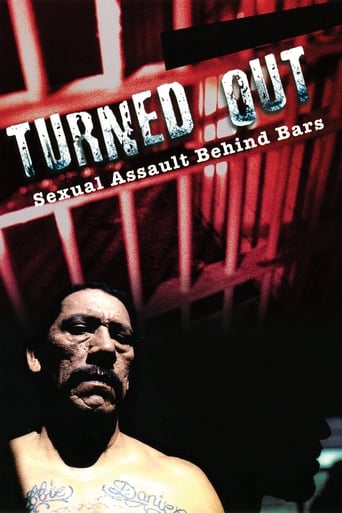
A look beyond the shock and inhumanity of prison rape to the intricate social hierarchy that keeps it alive. A filmmaker goes deep inside Alabama's infamous Limestone penitentiary to uncover the long-term causes and consequences of prison rape. With a startling lack of inhibition, five inmates reveal the workings of an elaborate inner society.
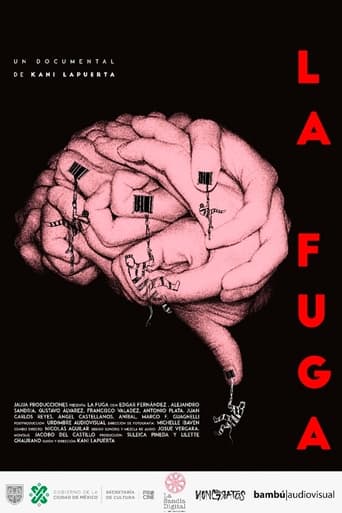
The internal journey of eight men, who, through a theater workshop, go through the different prisons they inhabit. Practicing the art of seeing themselves, in Boal's words, this group of men reflects on their masculinity as a representation to hide their true strength: their vulnerability.
Forty years after the bloodiest one-day encounter between Americans since the Civil War, the dead remain buried along with the truth. Until now. Based on interviews with eyewitnesses who just now are telling their stories, as well as access to newly discovered documents, the film sheds new light on exactly what happened at Attica between September 9-13, 1971. Criminal Injustice raises compelling new questions about the 39 deaths at Attica, White House involvement, and the corrupting influence of Nelson Rockefeller’s political aspirations before, during, and long after the deadly retaking of the prison. Former hostage Michael Smith said that “the cover up started as soon as the shooting stopped.” This film reveals that the truth actually may have been concealed long before that.
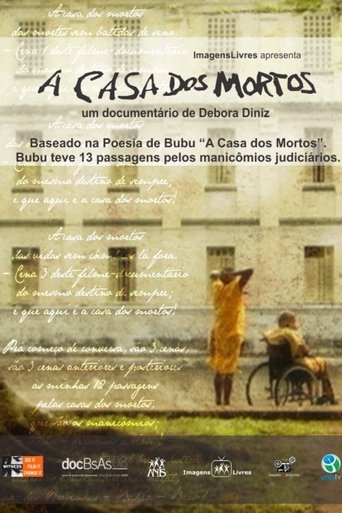
Bubu is a poet who has been committed to state institutions for the insane twelve times. He challenges the meaning of hospital-jails, hybrid institutions which sentence the insane to life imprisonment. The poem "The House of the Dead" was written during the filming of the documentary and reveals the forgotten deaths that occur in these judicial asylums. There are three stories in three acts of death. Jaime, Antonio, and Almerindo are anonymous men, considered dangers to society, whose punishment is the tragedy of suicide, the unending cycle of being committed to the asylum, or surviving life imprisonment in the house of the dead. Bubu is the narrator of his own life and also of his own destiny-death in the asylum.