

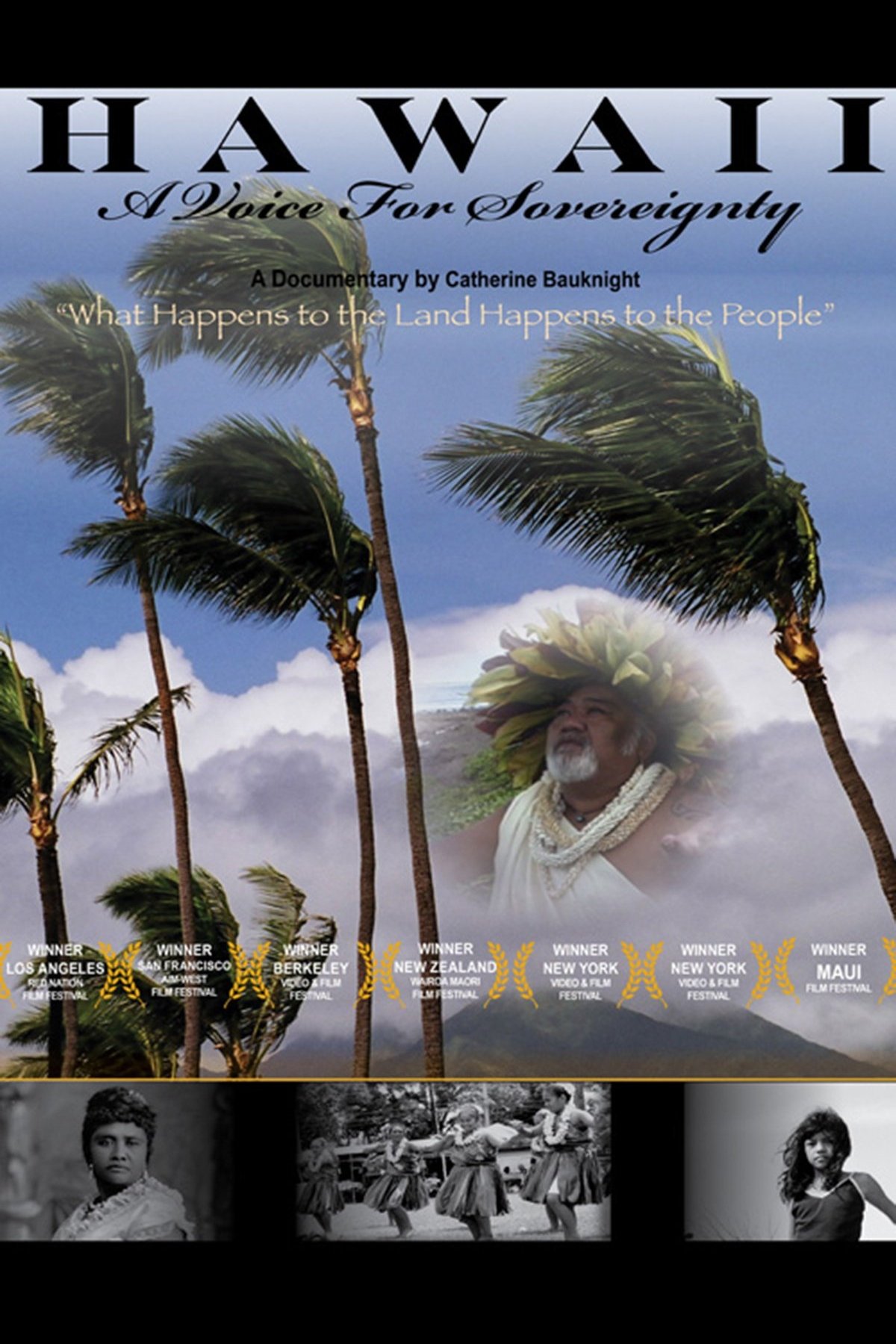
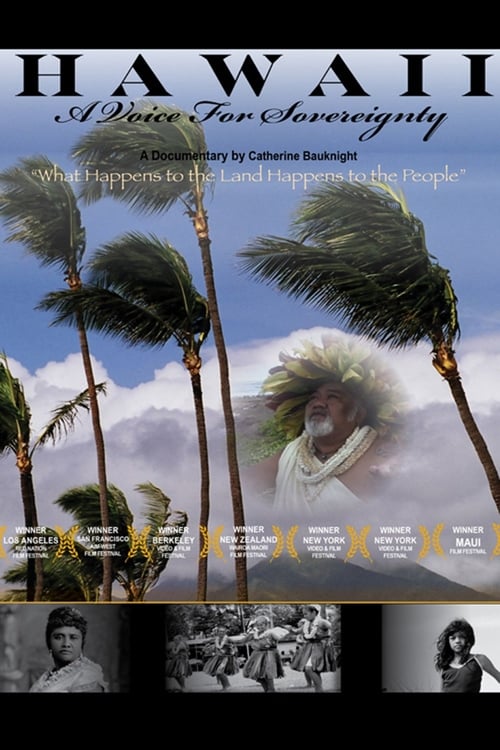
Hawaii: A Voice for Sovereignty
Documentary
Overview
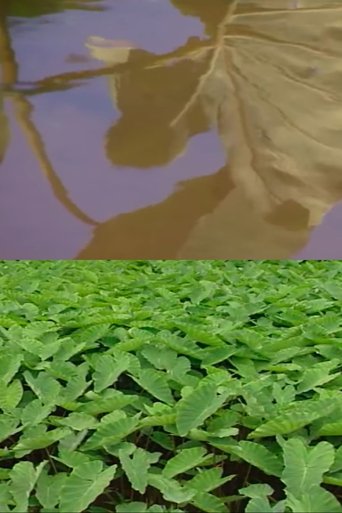
The goal of Hawaii, a Voice for Sovereignty is to raise awareness of the issues that threaten the Hawaiians ancient and once-environmentally-sustainable culture. It is an epic documentary about Hawaiian spirituality and the peoples close connection to the land. It focuses on the complicated social, economic and ecological issues that have arisen in Hawaii since the overthrow of Queen Liliuokalani by the United States in 1893. For Hawaiians, sovereignty is the legal, political and moral right to live on and care for the land; build and grow a sustainable economy; protect natural resources; practice spiritual and cultural traditions; honor their ancestral past; and care for family and community. The film is in the voice of native Hawaiian people who address the issues they continue to face in their long struggle to regain sovereignty over their rights and the native lands lost after the U.S. businessmen and military overthrew the Kingdom of Hawaii.

No cast information.
Similar Movies
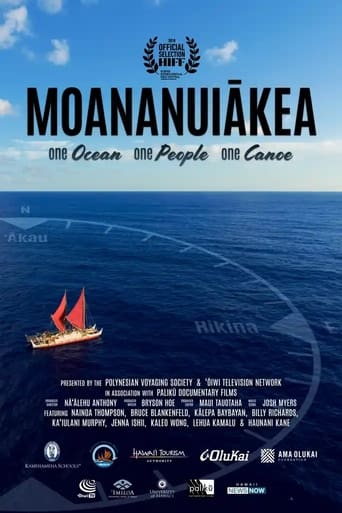
From 2019 Maui Film Festival This powerful documentary celebrates the historic Malama Honua Worldwide Voyage that connected countless individuals and communities from around the globe. A voyage that also represented the fulfillment of the vision of Nainoa Thompson and his contemporaries, the passing of the mantle to the next generation of kanaka maoli who will retain the skills of their ancestors and perpetuate this tradition for generations to come so the legacy of Hokulea can last for 1,000 generations.
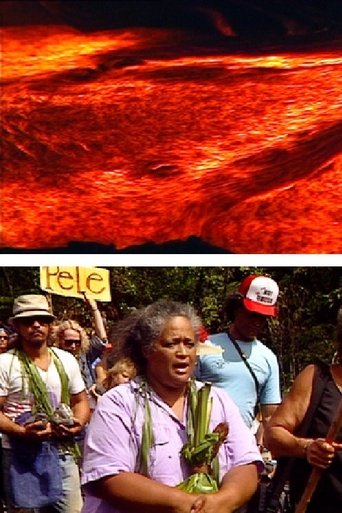
In the swirling volcanic steam and misty rain forest of Kilauea volcano’s east rift zone on the island of Hawai’i, two forces meet head on. Geothermal development interests, seeking to clear the rain forest for drilling operations, are opposed by native Hawaiians seeking to stop the desecration of the fire goddess, Pele. Pele is a living deity fundamental to Hawaiian spiritual belief. She is the eruption, with its heat, lava and steam. Her family takes the form of forest plants, animals and other natural forces. But geothermal development interests see Pele as simply a source of electricity. When Hawaiians take the issue to court, they find that nature-based religions are not respected by U.S. law.

In the waning days of summer 1931, Honolulu's tropical tranquility was shattered when a young Navy wife made a drastic allegation of rape against five nonwhite islanders. What unfolded in the following days and weeks was a racially-charged murder case that would make headlines across the nation, enrage Hawai'i's native population, and galvanize the island's law enforcers and the nation's social elite.

When the Kahuku sugar plantation and mill shut down in the 1970's, workers who lived in plantation housing had to decide how to hold the community together and create something new out of an industry that had come to an end. This is the story of their successful transition from plantation to self-governing community.

Five-time Olympic medalist and Native Hawaiian Duke Paoa Kahinu Mokoe Hulikohola Kahanamoku shattered records and brought surfing to the world while overcoming a lifetime of personal challenges. Waterman explores his journey and legacy as a legendary swimmer, trailblazer, and the undisputed father of modern-day surfing, following the sport’s first-time inclusion in this year’s Summer Olympics – a fitting tribute to his work promoting the sport around the globe.
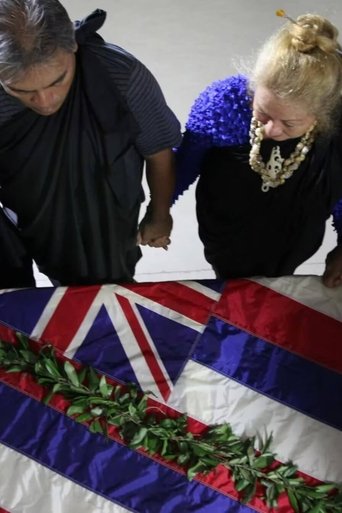
Ka Hoʻina documents members of Hui Mālama I Nā Kūpuna O Hawaiʻi Nei's final repatriation of over 140 sets of iwi kupuna and provides an intimate look into the legacy forged by these committed and passionate few, ensuring that Hawaiians will mālama or care for kupuna for generations to come.