

One of the Thirty-six
Overview
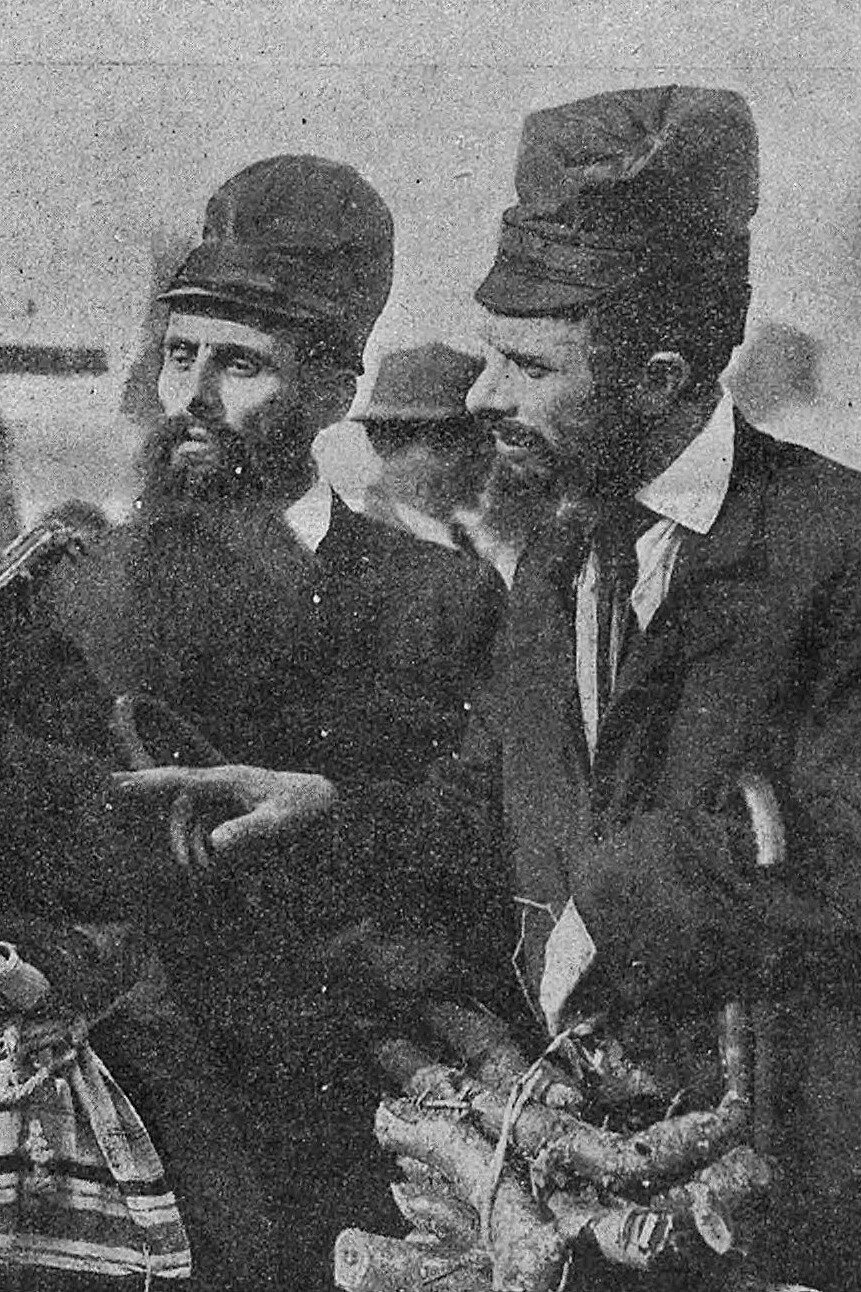
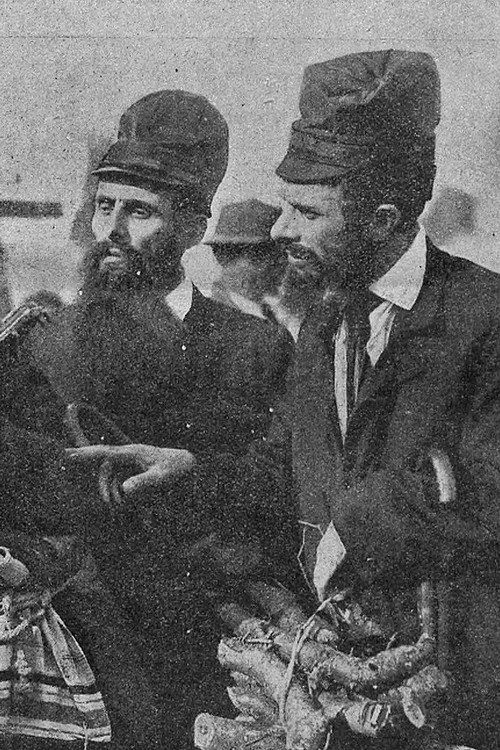
The action takes place during the January Uprising. A Russian commander imposed a tribute on a town inhabited by Jews; the money was appropriated by an adjutant, and eleven hostages faced court martial for allegedly failing to pay tribute and forging the commander's signature. A legend is woven into the plot: the sacred number 36 indicates thirty-six righteous. Nameless, unknown to anyone, they live as paupers or simpletons, carrying the burden of the world's sins on their shoulders. A good deed or a miracle that averts misfortune betrays them; however, the perpetrator of the miracle must die. The film has not survived to this day.
Top Cast







Jonas Turkow
Jonas Turkow
drwal Benedykt
Jonas Turkow
drwal Benedykt
Mojzesz Lipman
Mojzesz Lipman
reb Nuchen Parnes
Mojzesz Lipman
reb Nuchen Parnes
Helena Gotlib
Helena Gotlib
żona Parnesa
Helena Gotlib
żona Parnesa
Irma Green
Irma Green
Estera, córka Parnesa
Irma Green
Estera, córka Parnesa
Klara Segałowicz
Klara Segałowicz
Sara Grzesznica
Klara Segałowicz
Sara Grzesznica
Aleksander Maniecki
Aleksander Maniecki
komendant garnizonu
Aleksander Maniecki
komendant garnizonu
Michał Halicz
Michał Halicz
Mikołaj Martynow
Michał Halicz
Mikołaj Martynow
Chaim Sandler
Chaim Sandler
nosiwoda
Chaim Sandler
nosiwoda
Józef Zaremba
Józef Zaremba
Józef Zaremba
Kazimierz Jankowski
Kazimierz Jankowski
Kazimierz Jankowski
Similar Movies
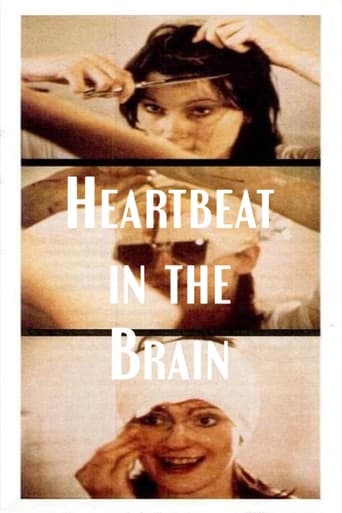
A documentary produced and directed by Amanda Feilding, an advocate of trepanation. In the film, Feilding, a 27-year-old student at the time, drills a hole in her forehead with a dentist's drill. In the documentary, surgical scenes alternate with motion studies of Feilding's pet pigeon Birdie.
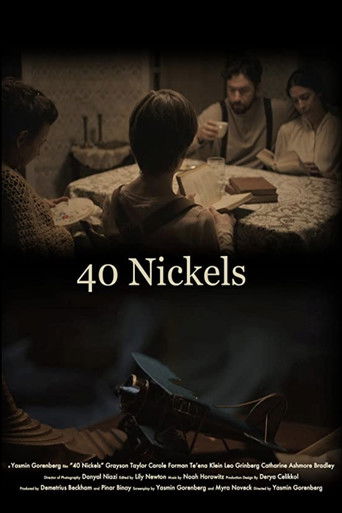
Based her grandfather’s boyhood in St. Louis, Yasmin Gorenberg tells a story of the pain passed from refugee parents to their children and the hope that can overcome it. “40 Nickels” captures the image of a generation of immigrants to the United States in the 1920’s and 1930’s and through that spotlights the effects of the 1919 pogroms in Eastern Europe. This is a film about parents and children: how trauma never leaves a family, and how hope and resilience is also passed down. It asks the question: Can a new generation look at the world with wonder rather than fear?

Batman Dracula is a 1964 black and white American film produced and directed by Andy Warhol, without the permission of DC Comics. The film was screened only at Warhol's art exhibits. A fan of the Batman series, Warhol made the movie as a homage. Batman Dracula is considered to be the first film featuring a blatantly campy Batman. The film was thought to have been lost until scenes from it were shown at some length in the documentary Jack Smith and the Destruction of Atlantis.