


Drama · Music
Overview
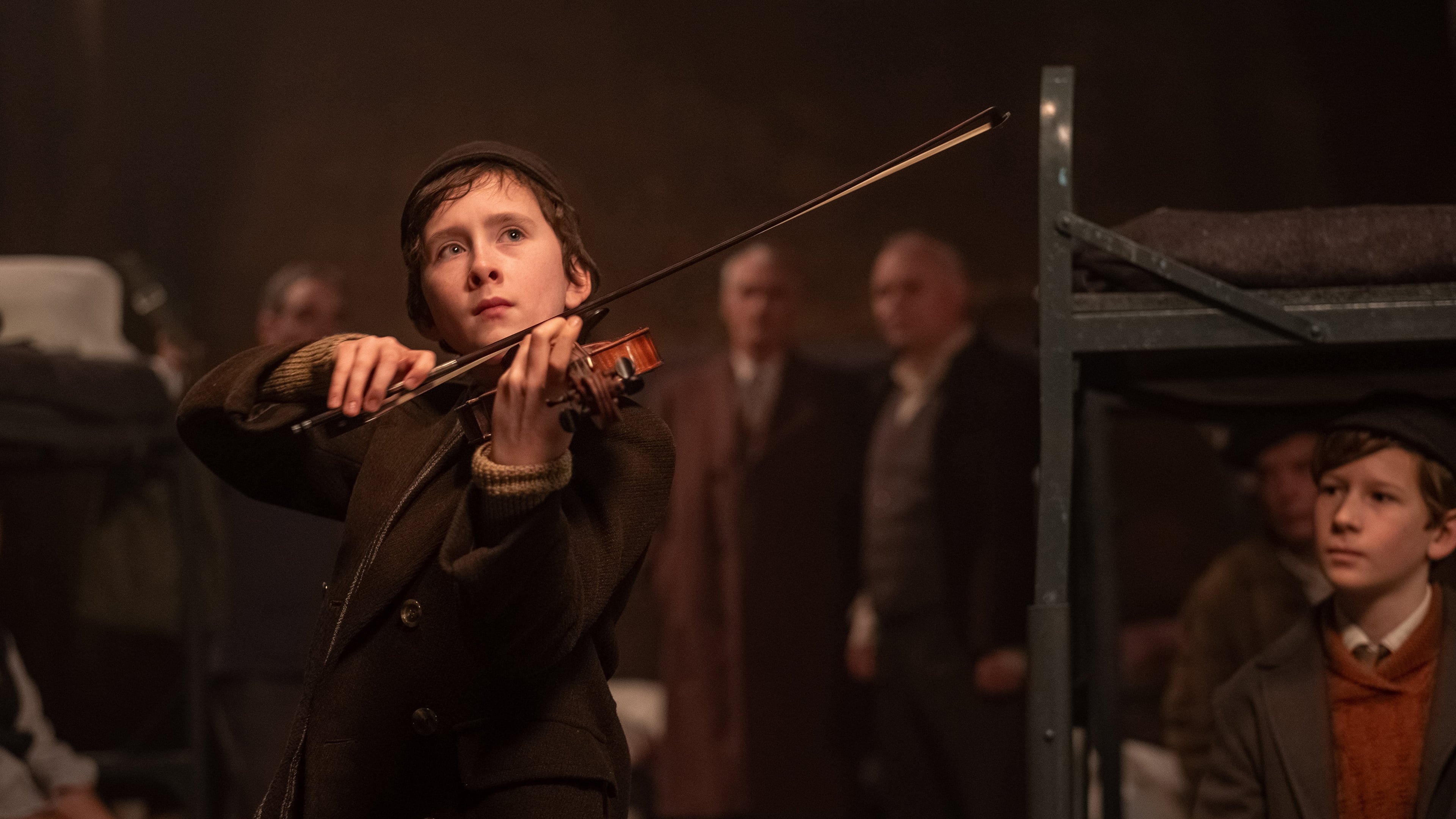
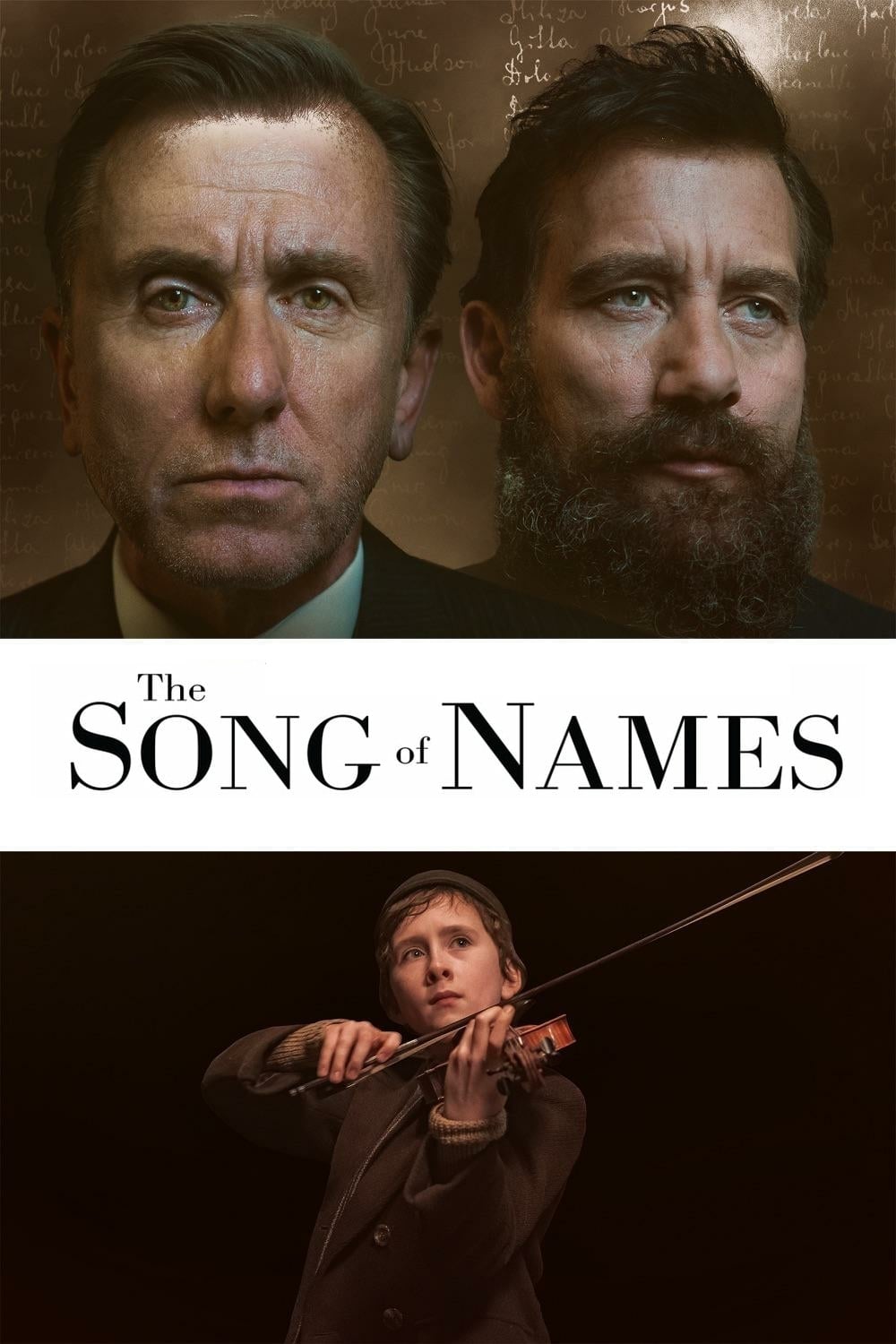
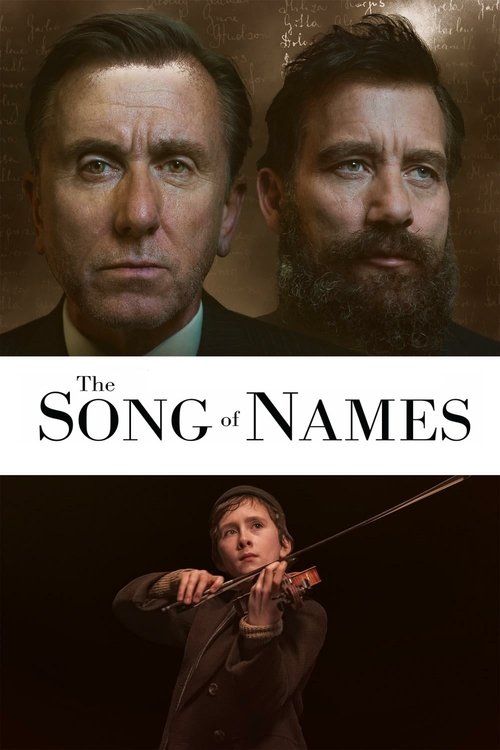
A man searches for his childhood best friend, a Polish violin prodigy orphaned in the Holocaust, who vanished decades before on the night of his first public performance.
Top Cast

Tim Roth
Martin Simmonds

Clive Owen
Dovidl Rapoport

Catherine McCormack
Helen Simmonds

Suzy Eddie Izzard
Radio Presenter

Saul Rubinek
Feinman

Jonah Hauer-King
Dovidl 17-23

Gerran Howell
Martin 17-21
Luke Doyle
Dovidl 9-13

Misha Handley
Martin 9-13

Stanley Townsend
Gilbert

Julian Wadham
Arbuthnot Bailey

Richard Bremmer
Billy









Tim Roth
Tim Roth
Martin Simmonds
Tim Roth
Martin Simmonds
Clive Owen
Clive Owen
Dovidl Rapoport
Clive Owen
Dovidl Rapoport
Catherine McCormack
Catherine McCormack
Helen Simmonds
Catherine McCormack
Helen Simmonds
Suzy Eddie Izzard
Suzy Eddie Izzard
Radio Presenter
Suzy Eddie Izzard
Radio Presenter
Saul Rubinek
Saul Rubinek
Feinman
Saul Rubinek
Feinman
Jonah Hauer-King
Jonah Hauer-King
Dovidl 17-23
Jonah Hauer-King
Dovidl 17-23
Gerran Howell
Gerran Howell
Martin 17-21
Gerran Howell
Martin 17-21
Luke Doyle
Luke Doyle
Dovidl 9-13
Luke Doyle
Dovidl 9-13
Misha Handley
Misha Handley
Martin 9-13
Misha Handley
Martin 9-13
Stanley Townsend
Stanley Townsend
Gilbert
Stanley Townsend
Gilbert
Similar Movies

Budapest in the 1930s. Restaurant owner Laszlo hires pianist András to play in his restaurant. Both men fall in love with the beautiful waitress Ilona who inspires András to his only composition. His song of Gloomy Sunday is, at first, loved and then feared, for its melancholic melody sets off a chain of suicides. The fragile balance of the erotic ménage à trois is sent off kilter when the German Hans falls in love with Ilona as well.
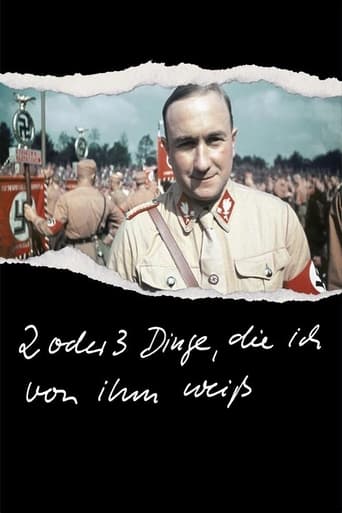
What would your family reminiscences about dad sound like if he had been an early supporter of Hitler’s, a leader of the notorious SA and the Third Reich’s minister in charge of Slovakia, including its Final Solution? Executed as a war criminal in 1947, Hanns Ludin left behind a grieving widow and six young children, the youngest of whom became a filmmaker. It's a fascinating, maddening, sometimes even humorous look at what the director calls "a typical German story." (Film Forum)

In December 1937, during the Second Japanese-Sino War, a Chinese doctor, his Japanese pregnant wife, their teenage daughter and their young son travel from Shanghai to Nanjing seeking shelter in the Capital during the Japanese invasion. The family faces the Rape of Nanking by the Imperial Japanese Army, with rapes, mass murder of prisoners of war and civilians including women, children and elders, and disrespect of international conventions.
During the Slovak National Uprising, even ordinary people were determined to perform heroic deeds, even though they knew they were exposing themselves to great danger. The heroine of this film, a simple country woman, has a hard time paying for her bravery: she is sentenced to death, postponed for now so that she can nurse her recently born baby. She is even offered salvation if she betrays, but the presence of a member of the Soviet army infuses her with determination and hope. Early Spring belongs to the usual schematic, lifeless staged views of the subject that the communist regime has elevated to the level of sacred matter.
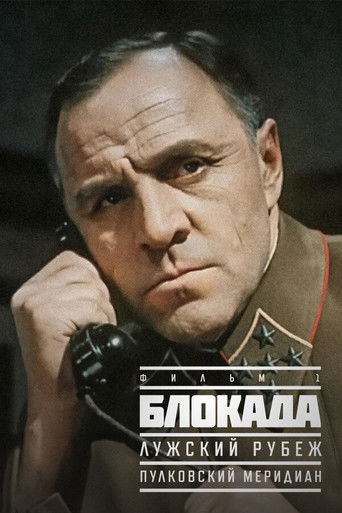
Autumn 1941. German tank troops are making another attempt to break through to the Uritsk and Pulkovo Heights. During heavy fighting, Soviet troops managed to stop the offensive of fascist tanks one and a half kilometers south of the Pulkovo Observatory. The 900 days of the blockade and the incredible courage of the Soviet people were approaching ...
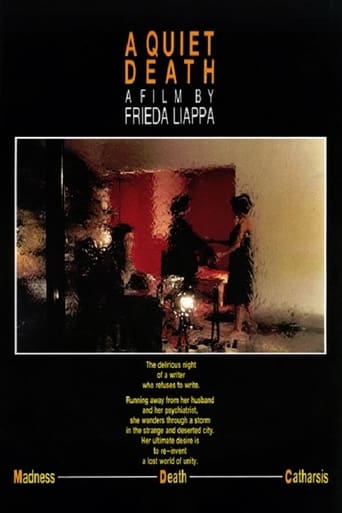
Martha is unhappy with her life as it is at the moment, and among other issues, she has decided to give up her writing career. Along with that decision comes a need to get away from her husband and from her psychiatrist, with whom she has had more than just a doctor-patient relationship. As Martha travels through a deserted city landscape in a storm, the external world reflects something of her inner turmoil. Flashbacks are interspersed throughout the film to enhance the suspense of Martha's inner and outer journey.