

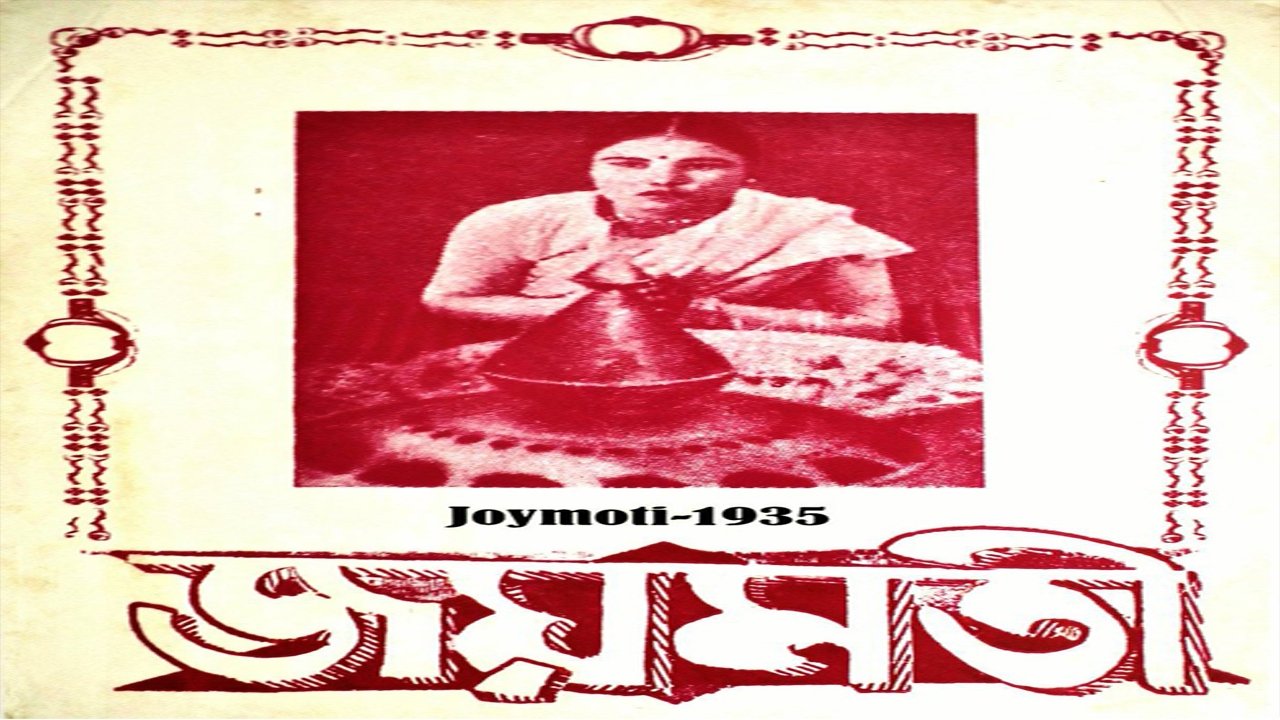
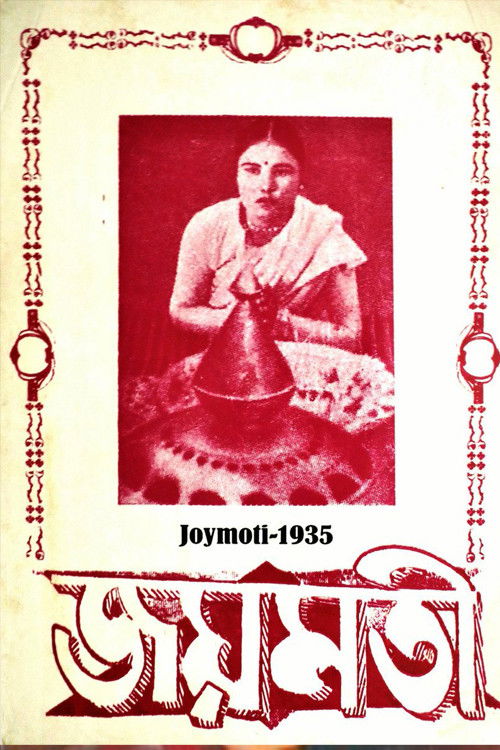
Joymoti
History
Overview
In the late 17th century, a boy-king ruled the Ahom dynasty of Assam. But the executive power over the whole administration was vested on the Prime Minister. Owing to the presence of a large body of princes, each of whom was a positive material for insurrection, no king could sit on the throne safely. The Prime Minister, therefore, instituted search for the suitors to capture and kill them, or let off after mutilating thereby banning them for succession. The principal target of massacre was Godapani, a man of personal - vigor and energy. But Godapani became aware of The Prime Minister's design and fled to the Naga hills. Unable to trace Godapani, the army led by, one Gathi Hazarika, came upon his wife Joymoti. Gathi inflicted tortures on her to elicit the much sought-after information. She stuck to plea of ignorance, and replied to the increasing tortures by silence and patience. She breathed her last in the midst of torture.
Top Cast




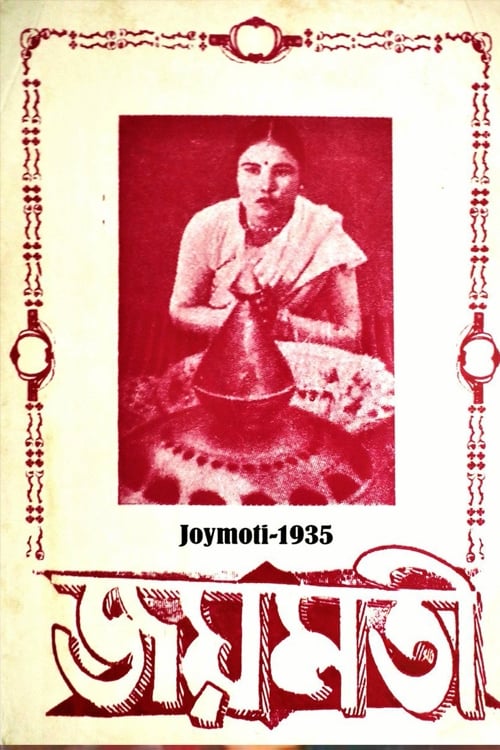
Aideu Handique
Aideu Handique
Joymati (as Asaideo Handige)
Aideu Handique
Joymati (as Asaideo Handige)
Phanu Barua
Phanu Barua
Gada Paani
Phanu Barua
Gada Paani
Swargajyoti Barooah
Swargajyoti Barooah
Dalimi (as Swargajyoti Datta)
Swargajyoti Barooah
Dalimi (as Swargajyoti Datta)
Mohini Rajkumari
Mohini Rajkumari
Mohini Rajkumari
Manabhiram Barua
Manabhiram Barua
Manabhiram Barua
Phani Sarma
Phani Sarma
Gathi Hazarika
Phani Sarma
Gathi Hazarika
Subha Barowa
Subha Barowa
Spy (Surang Suwa)
Subha Barowa
Spy (Surang Suwa)
Sneha Chandra Barua
Sneha Chandra Barua
Sneha Chandra Barua
Naren Bardoloi
Naren Bardoloi
Naren Bardoloi
Rana Barua
Rana Barua
Rana Barua
Similar Movies
During the Boer War, three Australian lieutenants are on trial for shooting Boer prisoners. Though they acted under orders, they are being used as scapegoats by the General Staff, who hopes to distance themselves from the irregular practices of the war. The trial does not progress as smoothly as expected by the General Staff, as the defence puts up a strong fight in the courtroom.

In the final hours of April 14, 1912, the RMS Titanic, on her maiden voyage from Southampton to New York, collided with an iceberg and ‘the unsinkable ship’ slowly sank. It was one of the most tragic disasters of the 20th Century. Fifteen hundred seventeen men, women, and children lost their lives.

Max is a handsome young man who, after a fateful tryst with a German soldier, is forced to run for his life. Eventually Max is placed in a concentration camp where he pretends to be Jewish because in the eyes of the Nazis, gays are the lowest form of human being. But it takes a relationship with an openly gay prisoner to teach Max that without the love of another, life is not worth living.
Jánošík has been topic of many Slovak and Polish legends, books and films. According to the legend, he robbed nobles and gave the loot to the poor. The legend were also known in neighboring Silesia, the Margraviate of Moravia and later spread to the Kingdom of Bohemia. The actual robber had little to do with the modern legend, whose content partly reflects the ubiquitous folk myths of a hero taking from the rich and giving to the poor. However, the legend was also shaped in important ways by the activists and writers in the 19th century when Jánošík became the key highwayman character in stories that spread in the north counties of the Kingdom of Hungary (present Slovakia) and among the local Gorals and Polish tourists in the Podhale region north of the Tatras.