

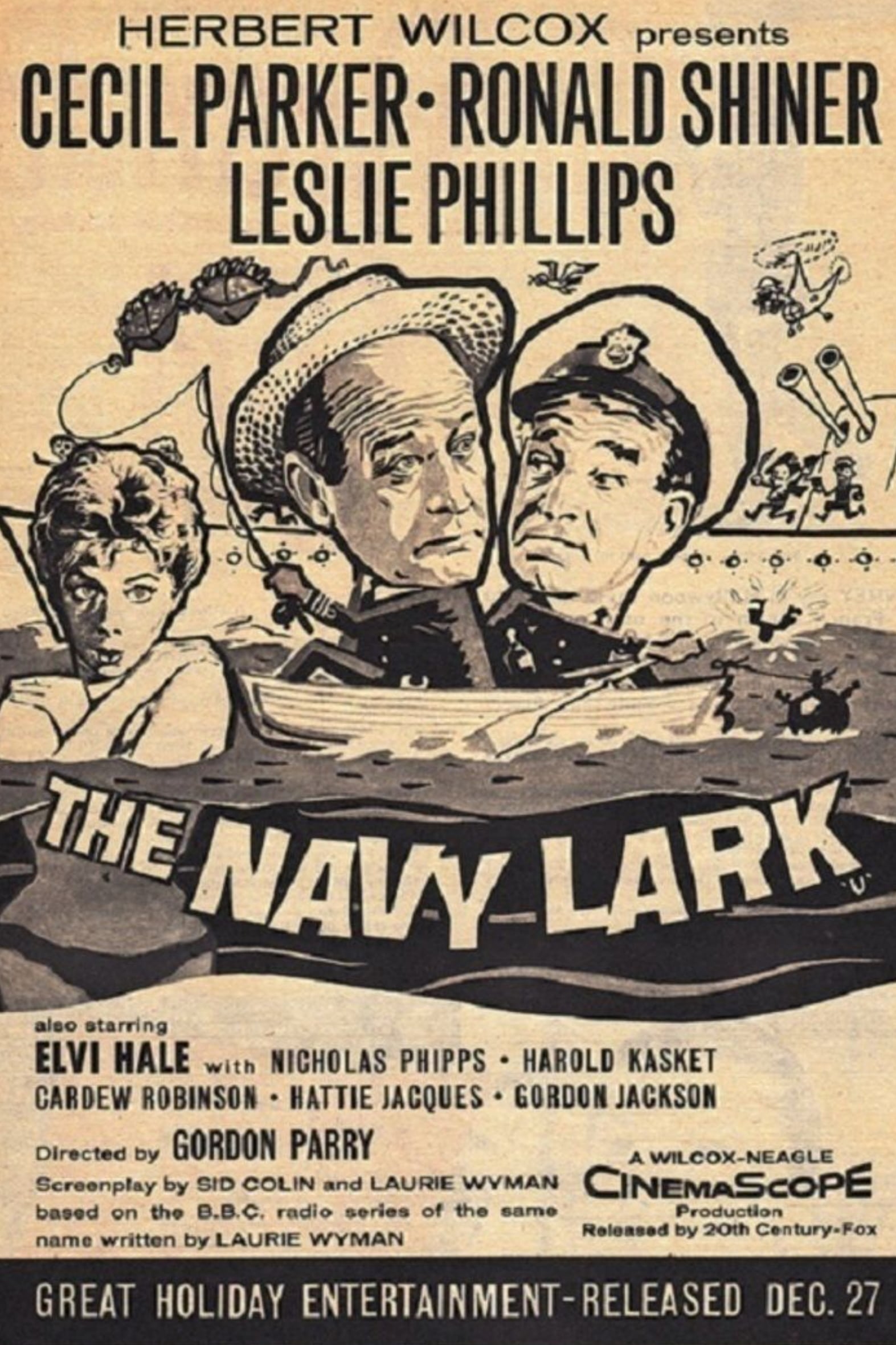
The Navy Lark
Comedy
Overview
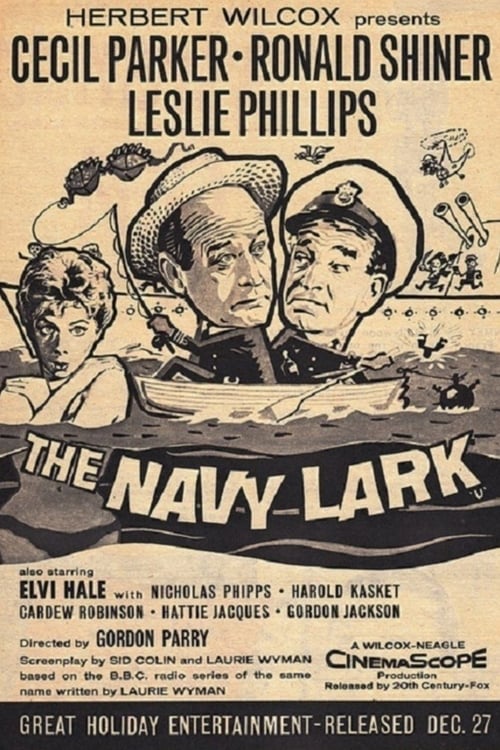
An Inshore Minesweeping Unit has been forgotten by the Navy after World War II on the peaceful island of Boonsley and they have adapted to their circumstances. The men still wear uniforms and the proper reports are filed, although the reports of hundreds of mines are exaggerated. The captain spends his time fishing, the Number One is busy romancing the only Wren on the island and The Chief Boatswain runs a wine smuggling business. Unfortunately the Navy start to get suspicious.
Top Cast
Cecil Parker
Cmdr. Stanton
Ronald Shiner
CPO Banyard
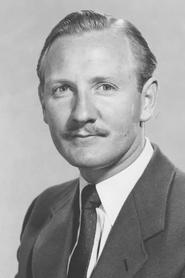
Leslie Phillips
Lt. Pouter

Elvi Hale
Leading WREN Heather
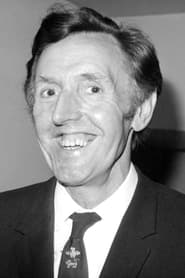
Cardew Robinson
Lt. Binns
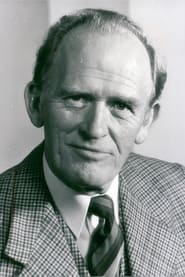
Gordon Jackson
Leading Seaman Johnson

Hattie Jacques
Fortune Teller
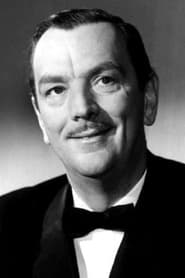
Nicholas Phipps
Capt. Povey

Harold Kasket
Gaston Higgins
Harold Kasket
Lt. Bates R.N.
Llewellyn Rees
Adm. Troutbridge
Clive Morton
Rear Admiral




Cecil Parker
Cecil Parker
Cmdr. Stanton
Cecil Parker
Cmdr. Stanton
Ronald Shiner
Ronald Shiner
CPO Banyard
Ronald Shiner
CPO Banyard
Leslie Phillips
Leslie Phillips
Lt. Pouter
Leslie Phillips
Lt. Pouter
Elvi Hale
Elvi Hale
Leading WREN Heather
Elvi Hale
Leading WREN Heather
Cardew Robinson
Cardew Robinson
Lt. Binns
Cardew Robinson
Lt. Binns
Gordon Jackson
Gordon Jackson
Leading Seaman Johnson
Gordon Jackson
Leading Seaman Johnson
Hattie Jacques
Hattie Jacques
Fortune Teller
Hattie Jacques
Fortune Teller
Nicholas Phipps
Nicholas Phipps
Capt. Povey
Nicholas Phipps
Capt. Povey
Harold Kasket
Harold Kasket
Gaston Higgins
Harold Kasket
Gaston Higgins
Harold Kasket
Harold Kasket
Lt. Bates R.N.
Harold Kasket
Lt. Bates R.N.
Similar Movies
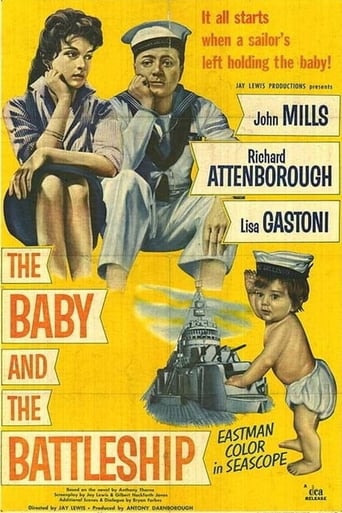
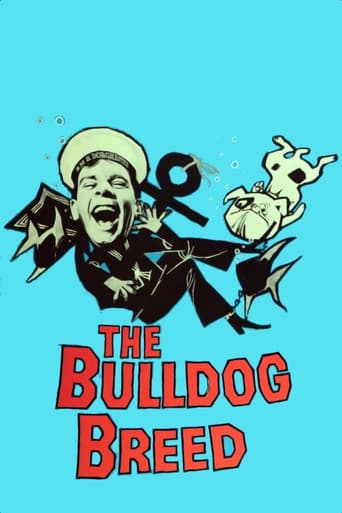
After a quayside mix-up with the Italian family of his fiancée, Able Seaman Knocker White finds himself literally left holding the baby. Unable to return it before his ship sails he enlists the help of best mate Puncher Roberts to smuggle the child aboard. But babies are surprisingly demanding and gradually the whole crew is drawn into helping keep it fed and washed - and undiscovered. Even so, the officers above deck start to puzzle over the increasingly strange happenings on board.
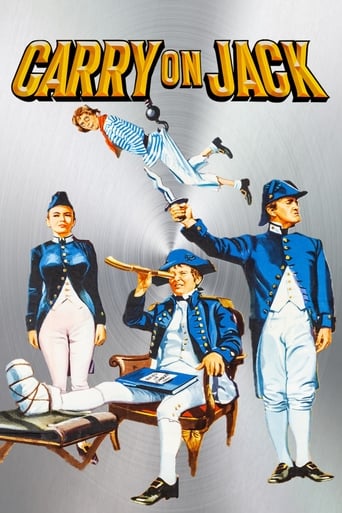
Able seaman Poop-Decker signs up for adventure on the high seas with the wicked Captain Fearless. Those swabbing the decks include Juliet Mills, Charles Hawtrey and Donald Houston. The film was originally to be titled Up the Armada, but the British Board of Film Censors objected to such a rude title.
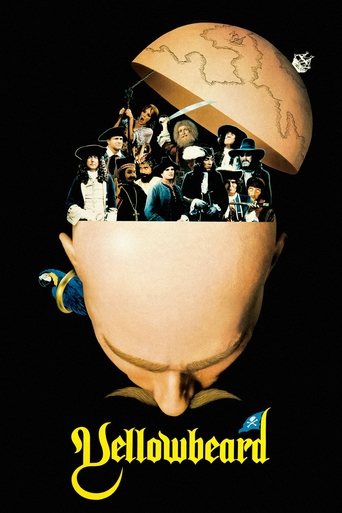
For years Yellowbeard had looted the Spanish Main, making men eat their lips and swallow their hearts. Caught and convicted for tax evasion, he's sentenced to 20 years in St. Victim's Prison for the Extremely Naughty. In a scheme to confiscate his fabulous treasure, the Royal Navy allows him to escape and follows him, where saucy tarts, lisping demigods and some awful puns and punishments await.
Norman Puckle, a well-meaning but clumsy grocer's assistant, can't seem to do anything right. After being rejected by Marlene, the love of his life, he attempts suicide, but can't even do that. He is saved from jumping off a cliff at 'Lover's Leap' by a Royal Navy petty officer. He persuades Puckle to join the Royal Navy, where he'll meet 'lots of girls'. Life in the Navy proves not to be as rosy as it's been described, and Puckle fails at every task during basic training. But despite this, he's regarded by the Admiral in charge of a rocket project to be a 'typical average British sailor', and chosen to be the first man to fly into outer space in an experimental rocket.
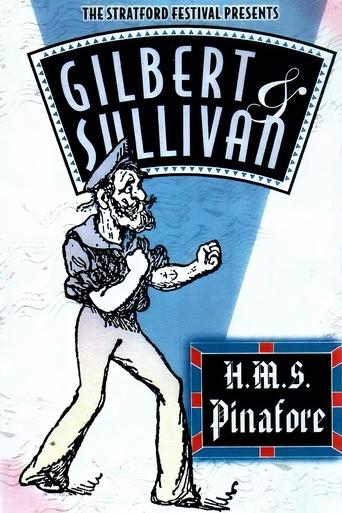
Captain's daughter Josephine and common sailor Ralph Rackstraw are in love. However, their relationship is complicated by her arranged marriage to the high-ranking Sir Joseph Porter. A secret about the characters' true identities revealed by Little Buttercup, which leads to a farcical resolution. Filmed live from the 1980 Stratford Festival in Ontario.
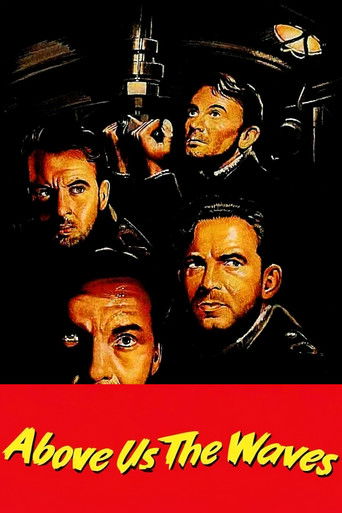
In World War II, the greatest threat to the British navy is the German battleship Tirpitz. While anchored in a Norwegian fjord, it is impossible to attack by conventional means, so a plan is hatched for a special commando unit to attack it, using midget submarines to plant underwater explosives.
The background to, events of and consequences of the Battle of Mers-El-Kebir on 3 July 1940. In that battle, Royal Navy ships fired on the French Fleet in order to prevent it from falling into German hands. A French battleship was sunk and several other ships damaged. Nearly 1,300 French sailors were killed.
In the early years of the World War II, the Royal Navy is fighting a desperate battle to keep the Atlantic convoy routes open to supply the British Isles, facing the great danger posed by the many German warships, such as the Admiral Graf Spee, which are scouring the ocean for cargo ships to sink.