

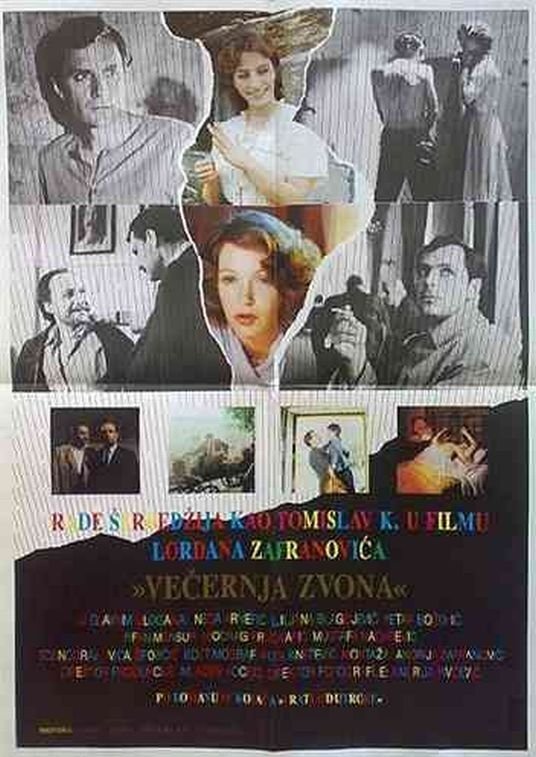
Evening Bells
Drama · War
Overview
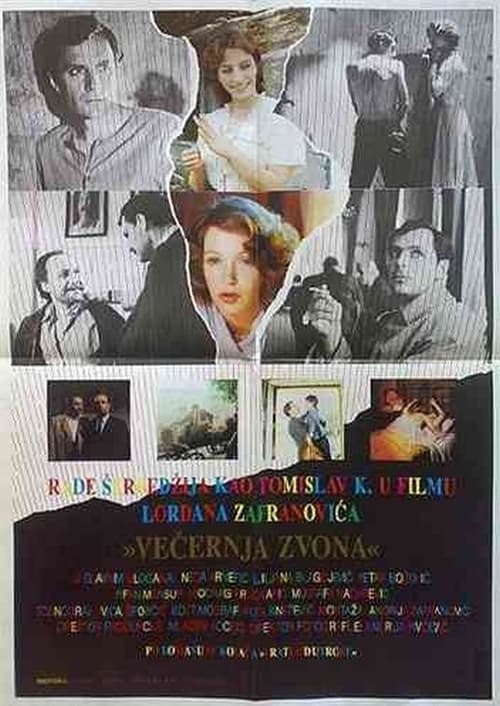
Trials and tribulations of a Croatian communist intellectual in the turbulent years before, during and after the Second World War.
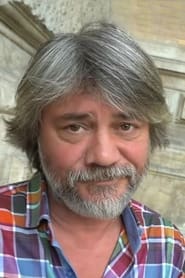


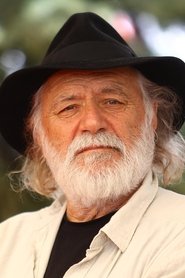
Rade Šerbedžija
Rade Šerbedžija
Tomislav K. Burbonski
Rade Šerbedžija
Tomislav K. Burbonski

Petar Božović
Petar Božović
Stjepan K.
Petar Božović
Stjepan K.
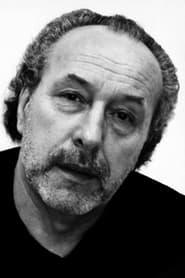
Miodrag Krivokapić
Miodrag Krivokapić
Dimitrije
Miodrag Krivokapić
Dimitrije

Neda Arnerić
Neda Arnerić
Meira
Neda Arnerić
Meira

Ljiljana Blagojević
Ljiljana Blagojević
Rosa
Ljiljana Blagojević
Rosa

Mustafa Nadarević
Mustafa Nadarević
Matko
Mustafa Nadarević
Matko
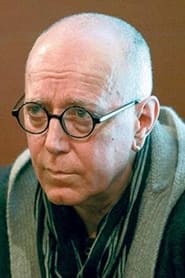
Irfan Mensur
Irfan Mensur
Milutin
Irfan Mensur
Milutin

Ivo Gregurević
Ivo Gregurević
Đurica
Ivo Gregurević
Đurica
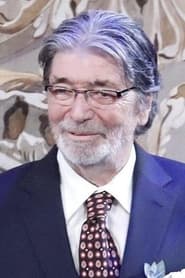
Krunoslav Šarić
Krunoslav Šarić
Čubar
Krunoslav Šarić
Čubar

Žarko Potočnjak
Žarko Potočnjak
Kruno
Žarko Potočnjak
Kruno
Similar Movies
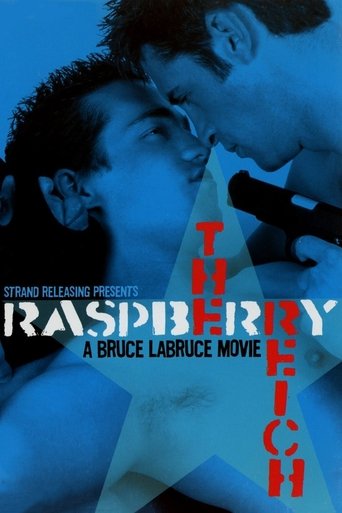
Gudrun has modeled her amateur German terrorist group after the 1970s Red Army Faction (Baader-Meinhof Gang). She attempts to imitate her heroes by kidnapping the son of a wealthy industrialist and hopes to negotiate leftist demands from the father. When Gudrun’s not spouting leftist verses (including during a hilariously brilliant fuck session), she’s trying to convince her all-male gang to abandon their heterosexuality, which she believes is the result of mass delusion.
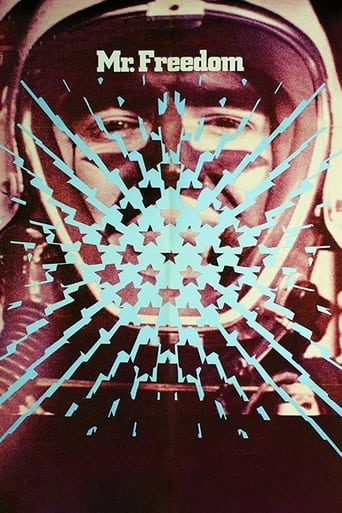
Mr. Freedom, a bellowing good-ol'-boy superhero decked out in copious football padding, jets to France to cut off a Commie invasion from Switzerland. A destructive, arrogant patriot in tight pants, Freedom joins forces with Marie Madeleine to combat lefty freethinkers, as well as the insidious evildoers Moujik Man and inflatable Red China Man, culminating in a star-spangled showdown.
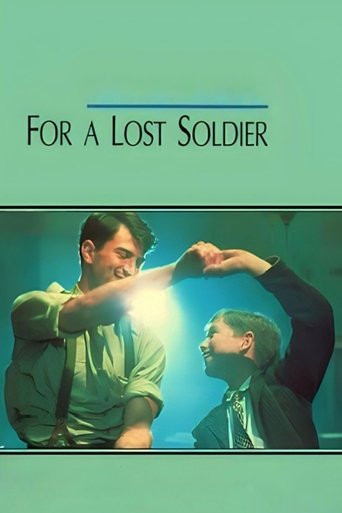
In the occupied Netherlands near the end of WWII, a young teenager, Jeroen Boman (Maarten Smit) is sent to the Dutch countryside to avoid the war in Amsterdam. While living with his adopted family, Jeroen meets and becomes friends with a Canadian soldier named Walt Cook, who is stationed at the same town he is staying at. Joroen and Walt spend a lot of time playing around and eventually a romantic relationship develops between them. The boy’s sexual curiosity leads him to have a sexual experience with Walt, an encounter that is shown with some vague detail but without actually showing any nudity, even though sexual intimacy between the two of them is implied. Overall, the movie handles this difficult subject with an elegant style and feeling, without having the adult-child relationship overwhelm the viewer and thus allowing the movie to be seen as just a wartime relationship between two people that marks an important time in a young boy’s life.
This short-form documentary focuses on the true story of Alfons Heck, who as an impressionable 10-year-old boy became a high-ranking member of the Hitler youth movement during World War II. The story is told in his own words. This film originally aired as part of the "America Undercover" series on HBO.
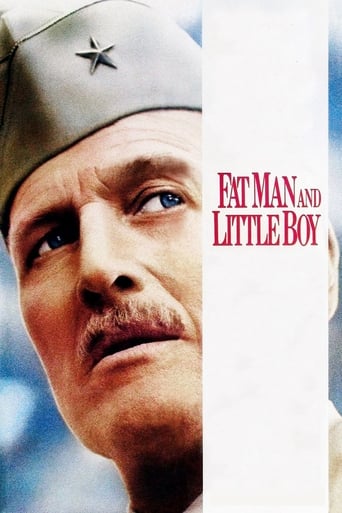
Assigned to oversee the development of the atomic bomb, Gen. Leslie Groves is a stern military man determined to have the project go according to plan. He selects J. Robert Oppenheimer as the key scientist on the top-secret operation, but the two men clash fiercely on a number of issues. Despite their frequent conflicts, Groves and Oppenheimer ultimately push ahead with two bomb designs — the bigger "Fat Man" and the more streamlined "Little Boy."
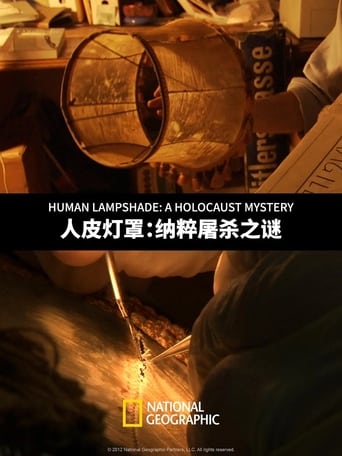
This story follows one man's quest to uncover the origins and reveal the mysteries of a possible Holocaust artifact some historians now say never existed: lampshades made of human skin. When the flood waters of Hurricane Katrina receded, they left behind a wrecked New Orleans and a strange looking lamp that an illicit dealer claimed was 'made from the skin of Jews.'
It’s the spring of 1945 in a small resort town on the Baltic. Günter is 16 and firmly believes that the Germans will win the war. During the hunt for a forced labourer who is on the run, Günter catches him and watches as he is shot to death. He proudly accepts the award of an Iron Cross before being shipped to the nearby front as part of the last contingent of troops. He is quickly captured by Soviet soldiers, but manages to escape and return home. When the town is occupied by the Red Army, Günter is arrested for the murder of the forced labourer. The film was banned in 1968 before it was completed, and a large portion of the negative was later destroyed.