

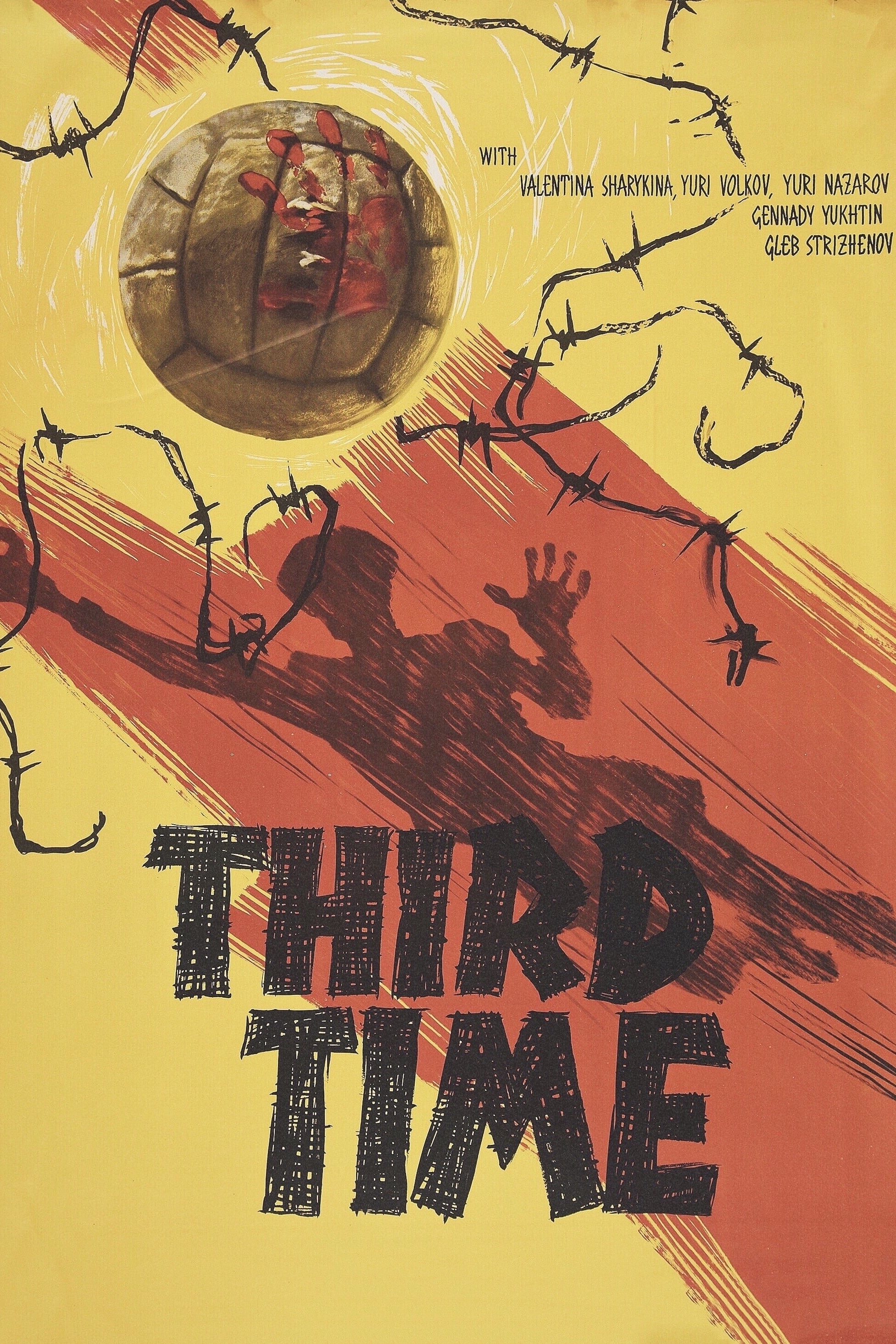
Third Time
War · Drama
Overview
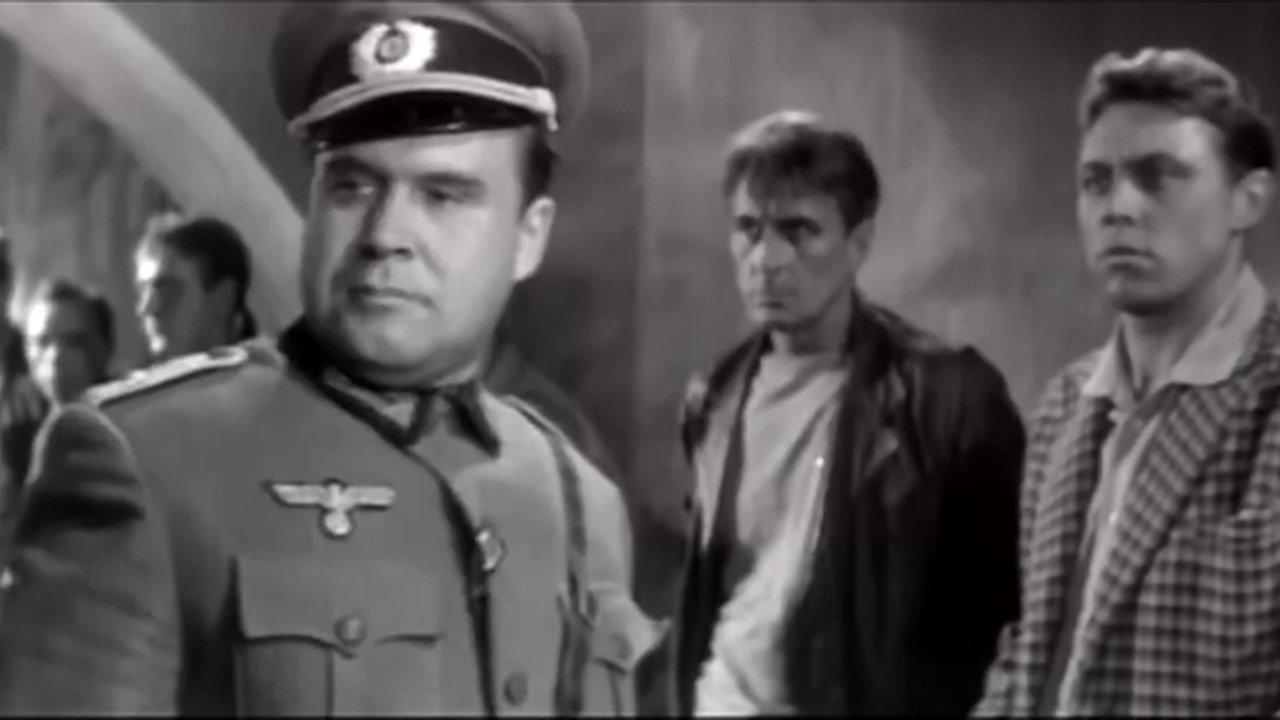
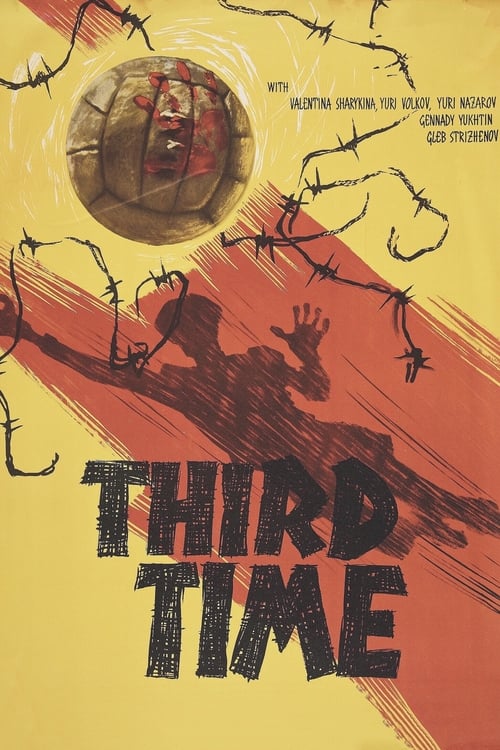
The film is based on the real fact — football «The Death Match» between the German team and a team of Soviet prisoners of war, former "Dinamo". It happened in Kiev on June 22, 1942. Anticipating the possibility of losing, the Germans made a condition — defeat or death. If the Germans won, the Soviet footballers were promised freedom...
Top Cast
Yuri Volkov
Sokolovsky
Vladimir Kashpur
Kirill Zaitsev
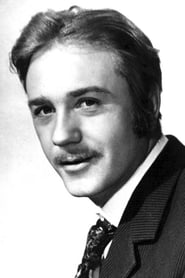
Leonid Kuravlyov
Lyonya Fokin

Yuriy Nazarov
Misha Skachko
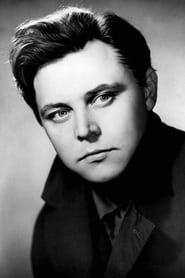
Vyacheslav Nevinnyy
Savchuk

Gleb Strizhenov
Yevgeni Ryazantsev

Gennadiy Yukhtin
Dugin
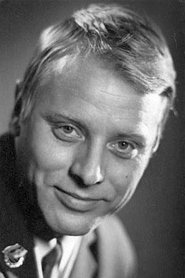
Aleksey Eybozhenko
Lemeshko

Aleksandr Metyolkin
Pavlik

Valentīns Skulme
Johan Dietrich
Alfred Zinovyev
Jan Richter
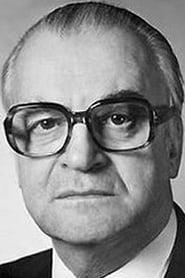
Ervin Knausmyuller
major Heinz





Yuri Volkov
Yuri Volkov
Sokolovsky
Yuri Volkov
Sokolovsky
Vladimir Kashpur
Vladimir Kashpur
Kirill Zaitsev
Vladimir Kashpur
Kirill Zaitsev
Leonid Kuravlyov
Leonid Kuravlyov
Lyonya Fokin
Leonid Kuravlyov
Lyonya Fokin
Yuriy Nazarov
Yuriy Nazarov
Misha Skachko
Yuriy Nazarov
Misha Skachko
Vyacheslav Nevinnyy
Vyacheslav Nevinnyy
Savchuk
Vyacheslav Nevinnyy
Savchuk
Gleb Strizhenov
Gleb Strizhenov
Yevgeni Ryazantsev
Gleb Strizhenov
Yevgeni Ryazantsev
Gennadiy Yukhtin
Gennadiy Yukhtin
Dugin
Gennadiy Yukhtin
Dugin
Aleksey Eybozhenko
Aleksey Eybozhenko
Lemeshko
Aleksey Eybozhenko
Lemeshko
Aleksandr Metyolkin
Aleksandr Metyolkin
Pavlik
Aleksandr Metyolkin
Pavlik
Valentīns Skulme
Valentīns Skulme
Johan Dietrich
Valentīns Skulme
Johan Dietrich
Similar Movies

His medical condition doesn't stop a 12-year-old village boy from working hard with a school gardener to form a ragtag team of soccer players, in order to compete in the JG Davidson Cup tournament. They will have to go up against the reigning champion, St. James, a highly privileged British school.
Based on the true story of a Russian serial killer who, over many years, claimed victim to over 50 people. His victims were mostly under the age of 17. In what was then a communists state, the police investigations were hampered by bureaucracy, incompetence and those in power. The story is told from the viewpoint of the detective in charge of the case.
The film tells the story of the friendship between Johann and Ludwig as they strive for the ultimate “buddy” relationship. Going beyond, well beyond, what would be considered good and healthy, the pair attempt to become the ideal twins, driving their relationship based on their partnership in competitive rowing (coxless pairs) to the ultimate, to perfect harmony in mind, word, thought and deed. But their symbiotic relationship is thrown out of balance: Ludwig strives to tighten the bonds ever closer, but Johann discovers happiness in the form of love for Ludwig’s sister, Vera. But because Ludwig hates her, the couple keep their relationship secret. But secrets have a way of coming out and Ludwig is wounded to the core. As the finals of the rowing competition draw closer, Ludwig has already set his sights on a greater goal: to preserve their friendship forever, no longer in life but in death.

Befriended by aristocrat Sebastian Flyte, Oxford student Charles Ryder finds that the power and privilege experienced by the family is seductive. On a visit to the ancestral home, Brideshead, he falls in love with his friend's sister, Julia. However, as his ties to the Flytes deepen, Ryder finds himself at odds with their strong Roman Catholicism.

An international soccer star is on his way to sign a multimillion dollar contract when something happens that brings his career to an abrupt end. A beautiful waitress, struggling to make it in New York City, discovers something about herself that she's unprepared for. In one irreversible moment, their lives are turned upside down.
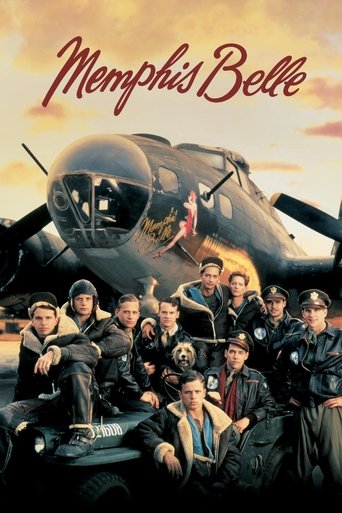
The "Memphis Belle" is a World War II bomber, piloted by a young crew on dangerous bombing raids into Europe. The crew only have to make one more bombing raid before they have finished their duty and can go home. In the briefing before their last flight, the crew discover that the target for the day is Bremen.
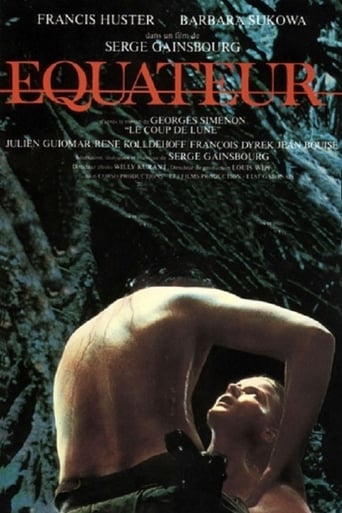
Although based on a novel by Georges Simenon, director (and songwriter) Serge Gainsbourg has superimposed several dark emotions and a subtle brutality over the weak plot about a man's trip to Africa and his unfortunate passion for a murderess whose amorality sends the disillusioned fellow back to Europe. Sometimes described as frustrating and self-centered, reactions to this film swing across a broad spectrum of complaints -- not the least might be whether or not Gainsbourg is using a clichéd and stereotypical view of "dark Africa" to convey what he sees in his characters.

Sayaka, a high school student, kills herself but the reason behind her suicide is unknown. She appeared to have led a normal life with her family. Her mother Rumiko seemed to have raised Sayaka with love and care. In reality, that does not seem to be the case. When the mother and daughter recall the same incidents that took place in the past, they tell very different stories.
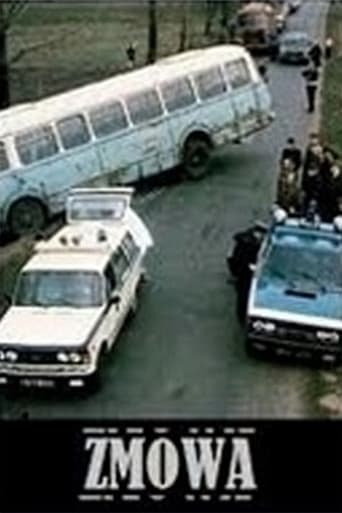
Christmas Eve night of 1976. In a village in the newly formed Tarnobrzeg province, a local bus hits a young married couple and a twelve-year-old boy. In the presence of numerous witnesses, the victims are beaten to death with a wheel wrench. In the aftermath of this crime, all the villagers are united by a conspiracy of silence. The dramatic scenario is freely based on the authentic case of the shocking 1976 Polanieck case.