

The Last Days of Pompeii
History
Overview
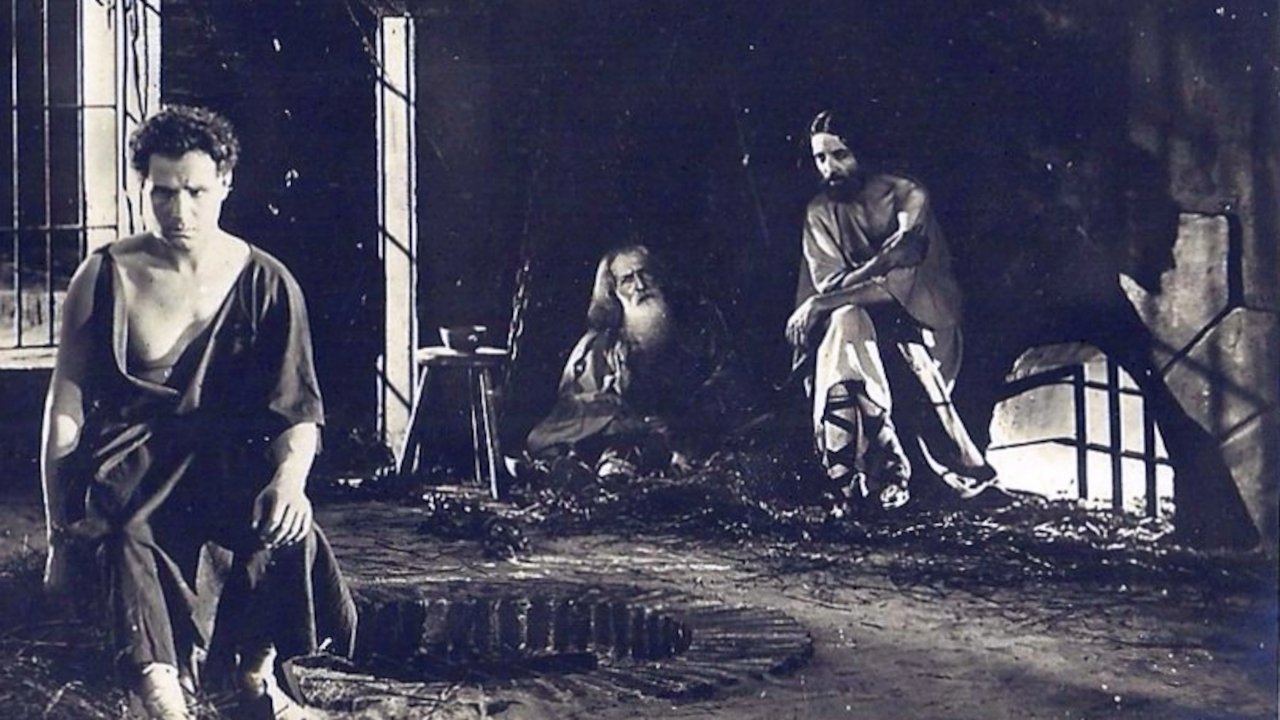
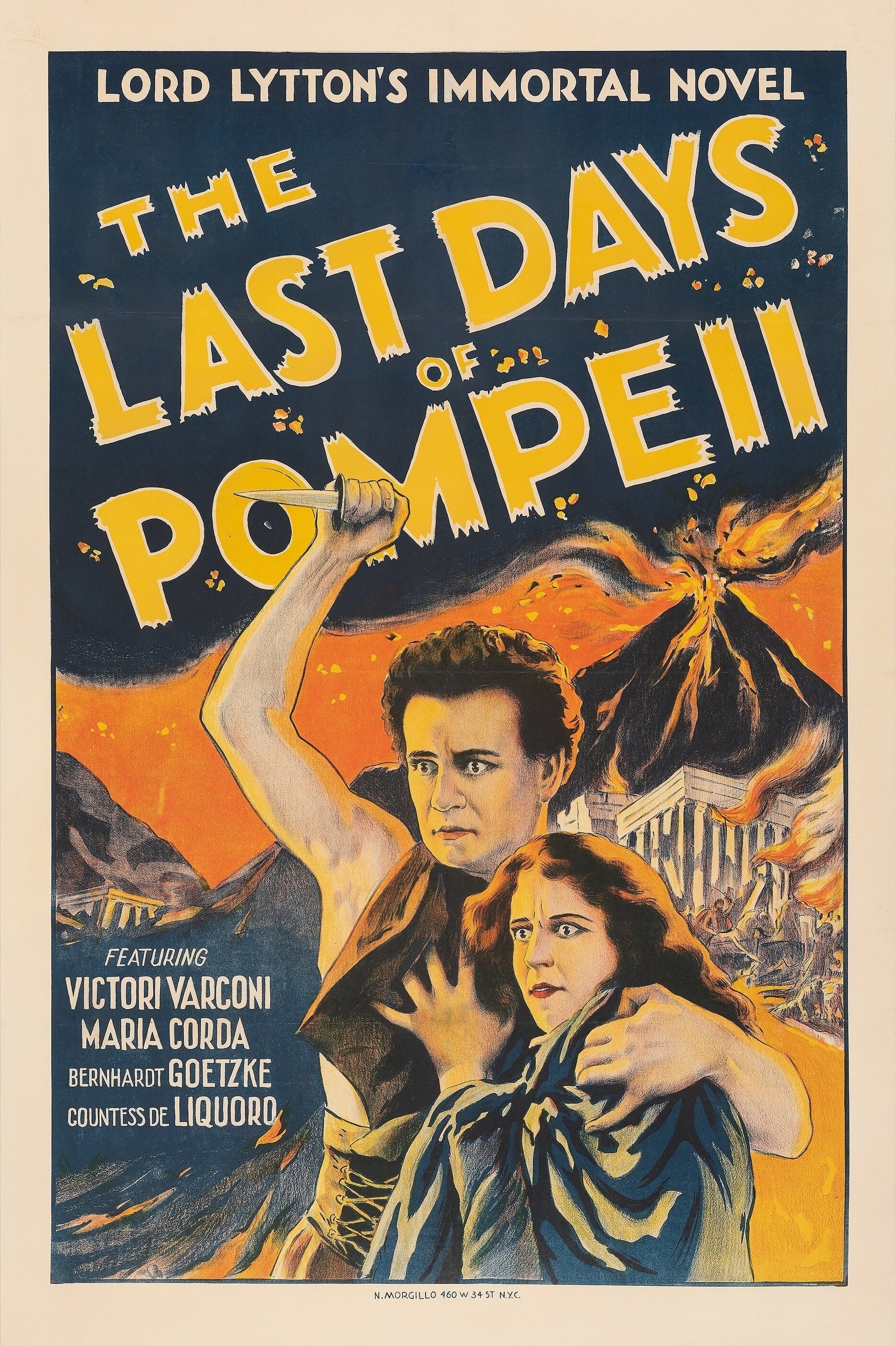
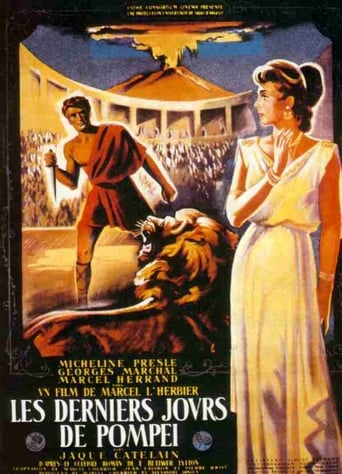
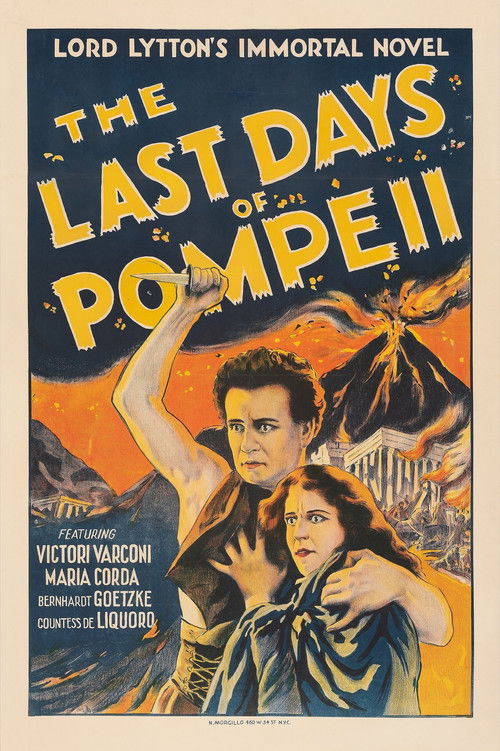
Carmine Gallone and Amleto Palermi’s The Last Days of Pompeii 1926 stages in sumptuous colour tinting the epic fall of the ancient city buried by Mount Vesuvius’ eruption. Adapted from Edward Bulwer-Lytton’s love story, the film was innovative in its special effects and an early major box-office hit. A beautiful tinted restoration print was prepared using photochemical processes by Centro Sperimentale di Cinematografia-Cineteca Nazionale in the mid-1990s and the premiere screening of the restoration print was held in the amphitheatre in Pompeii, followed by a screening at the major restoration festival ‘Il Cinema Ritrovato’ in Bologna in 1998.

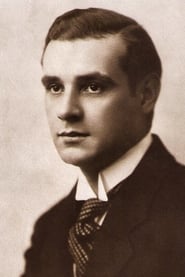
Victor Varconi
Victor Varconi
Glauco
Victor Varconi
Glauco
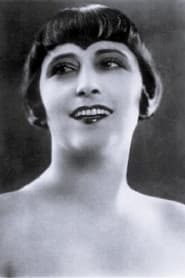
Rina De Liguoro
Rina De Liguoro
Ione
Rina De Liguoro
Ione
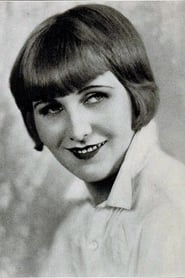
María Corda
María Corda
Nydia
María Corda
Nydia
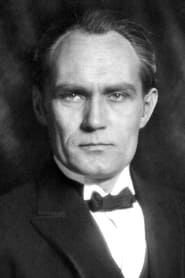
Bernhard Goetzke
Bernhard Goetzke
Arbace
Bernhard Goetzke
Arbace
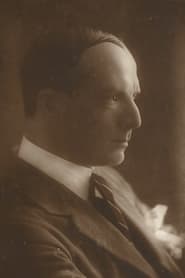
Emilio Ghione
Emilio Ghione
Caleno
Emilio Ghione
Caleno
Lia Maris
Lia Maris
Julia
Lia Maris
Julia
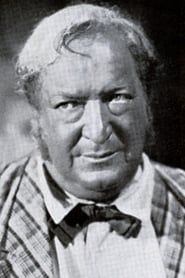
Gildo Bocci
Gildo Bocci
Diomede
Gildo Bocci
Diomede
Similar Movies
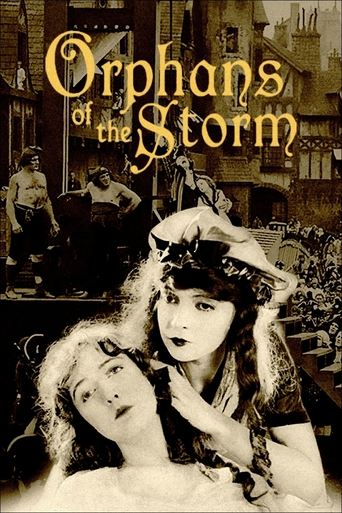
France, on the eve of the French Revolution. Henriette and Louise have been raised together as sisters. When the plague that takes their parents' lives causes Louise's blindness, they decide to travel to Paris in search of a cure, but they separate when a lustful aristocrat crosses their path.
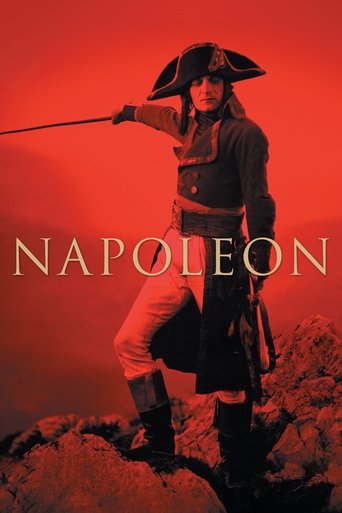
A biopic of Napoleon Bonaparte, tracing the Corsican's career from his schooldays (where a snowball fight is staged like a military campaign) to his flight from Corsica, through the French Revolution (where a real storm is intercut with a political storm) and the Terror, culminating in his triumphant invasion of Italy in 1797.
His mother abandoned him as a child, so he had no choice but to live outside society. Even so, he grows up determined to reunite with her. Worried that she might be living in misery, he saves his money to help, only to find that she has married into wealth and social position and has no intention of seeing her outcast Yakuza son...
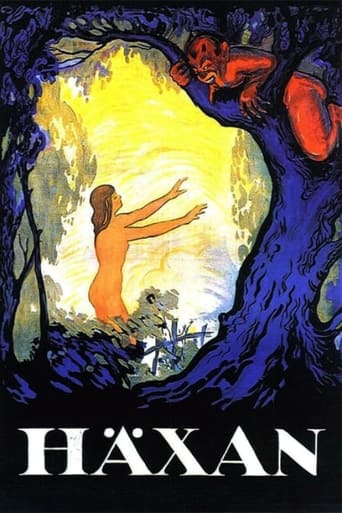
Grave robbing, torture, possessed nuns, and a satanic Sabbath: Benjamin Christensen's legendary film uses a series of dramatic vignettes to explore the scientific hypothesis that the witches of the Middle Ages suffered the same hysteria as turn-of-the-century psychiatric patients. But the film itself is far from serious-- instead it's a witches' brew of the scary, gross, and darkly humorous.
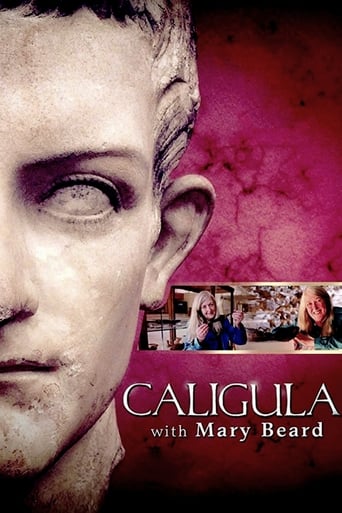
What is true and what is false in the hideous stories spread about the controversial figure of the Roman emperor Gaius Julius Caesar Augustus Germanicus (12-41), nicknamed Caligula? Professor Mary Beard explains what is accurate and what is mythical in the historical accounts that portray him as an unbalanced despot. Was he a sadistic tyrant, as Roman historians have told, or perhaps the truth about him was manipulated because of political interests?
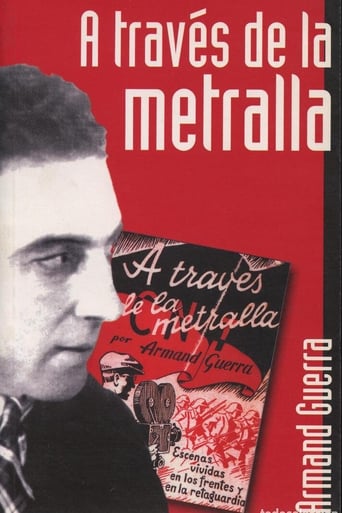
A re-enactment of the Jules Durand case. In 1910, Jean Jaurès [leader of the French socialist movement] took the lead in defending a working-class coal miner, Jules Durand, accused of complicity in and condemned to death for the murder of a labor leader. As in the Dreyfus Affair, a false dossier had been used to convict Durand. Jaurès argued that the memory of the Dreyfus Affair saved Durand, calling the case the working class’s Dreyfus Affair.
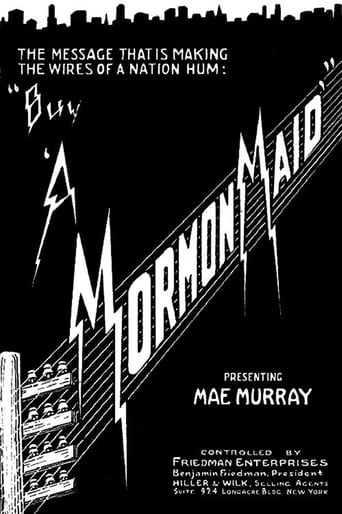
This silent melodrama is set against the 1840s westward migration of the Mormons. Dora, a young woman, and her family are saved from an Indian attack by a Mormon community traveling to Utah. They join the wagon train. Dora is pursued by two men, one a recent convert, the other a scheming elder with a stable of wives. The Mormon elder wants her in his harem. When the mother kills herself from revulsion toward polygamy, the daughter must consider her own future and the man she loves. One of Mae Murray's few surviving films, this was intended by Robert Leonard to be a thoughtful drama about the goods and evils of Mormonism, but today it is generally considered pure anti-Mormon propaganda.