

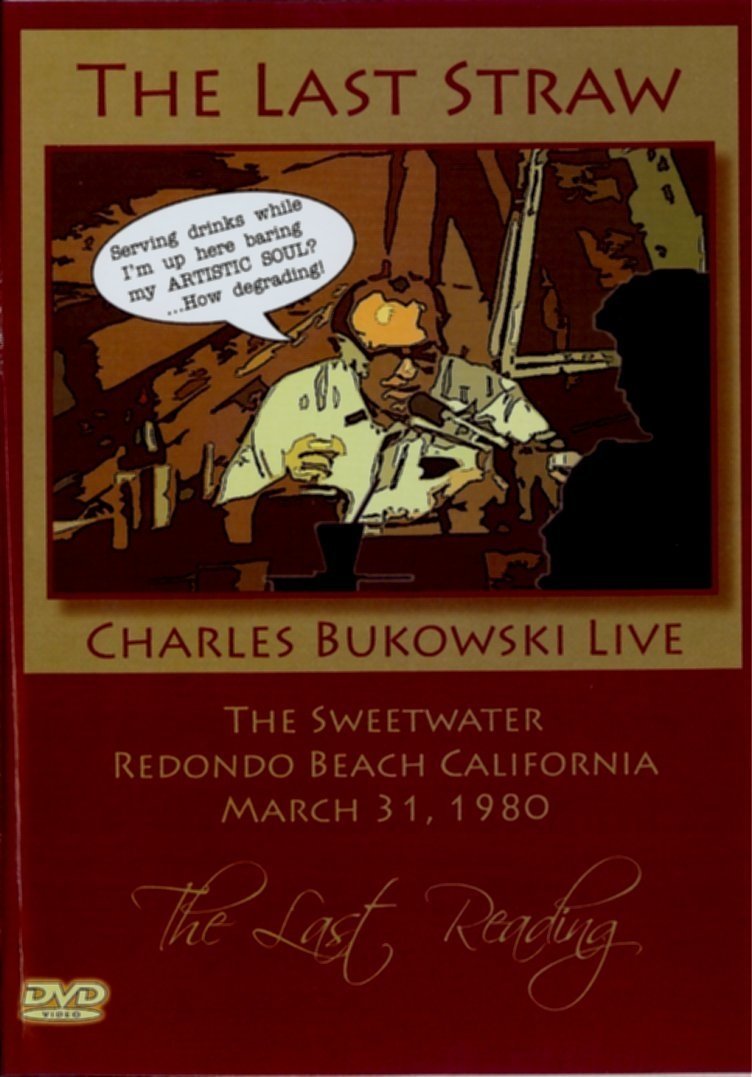
Bukowski: The Last Straw
Documentary
Overview
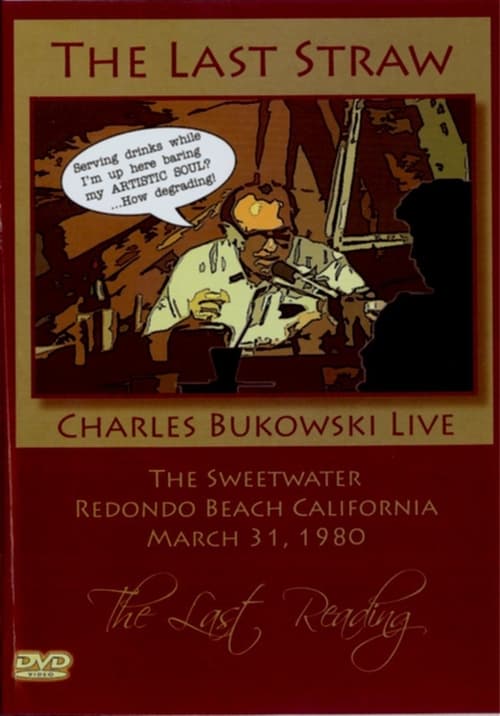
The Last Straw is a film documenting the very last live poetry reading given by Charles Bukowski at The Sweetwater, a music club in Redondo Beach, California on March 31, 1980
Top Cast
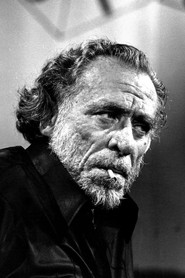
Charles Bukowski
Charles Bukowski
Charles Bukowski
Similar Movies
"This film explores how freedom of speech — including dissent — is afforded to all Americans, and shows freedom of expression in art, music, dance, architecture, and science. The film also emphasizes the importance of the individual’s contribution to the whole of society and demonstrates how a productive and creative society is formed by the open and respectful exchange of ideas. The film was written, produced, and directed by William Greaves" (National Archives).
The elusive author of Waiting for Godot cooperated in the production of this portrait, which traces Beckett’s artistic life through his prose, plays, and poetry. Billie Whitelaw, Jack McGowran, and Patrick Magee—Beckett’s great dramatic interpreters—appear in selected extracts from the plays; Beckett specialist David Warrilow narrates a variety of texts.
In his second international bestseller, "Arc de Triomphe," author Erich Maria Remarque explores his own experience of exile and his decisive encounter with Marlene Dietrich. From Paris and Antibes to Los Angeles and New York, the documentary traces the moving genesis of this highly autobiographical novel, now considered a major work of European exile literature, and the literary legacy of the long-standing passion between two global stars.
Documentary tracing the extreme life of outlaw writer, performance artist and punk icon, Kathy Acker. Through animation, archival footage, interviews and dramatic reenactments, director Barbara Caspar explores Acker's colorful history, from her well-heeled upbringing to her role as the scribe of society's fringe.
In this artistic exploration of the life and work of writer Henry Miller, filmmaker Joe Kishton skillfully weaves clips of films and interviews of Miller with the music of Laurie Anderson. From Miller himself we hear of his difficult relationship with his parents, and of his need to create, even (or especially) when his message abrades social mores.
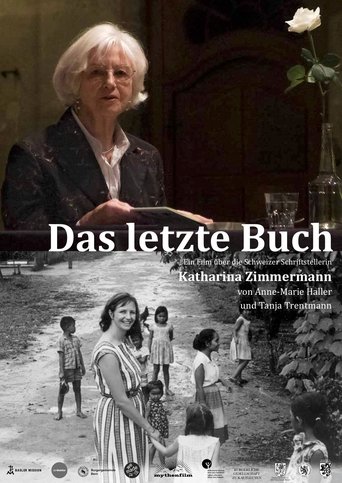
The film focuses on the exciting life journey of Swiss writer Katharina Zimmermann. She follows her husband on a mission to the jungle in Indonesia where she raises their four children and five foster children and lives through the military coup. Back in Switzerland Katharina discovers her voice and finds her path. Now, at eighty, she is writing her life story. Yet suddenly she faces another battle because her publisher is threatening to let her go.
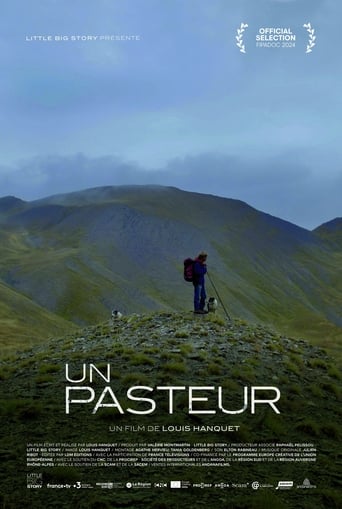
Félix, a young, melancholic and secretive shepherd, leads a surprisingly timeless life. He lives alone and works along his father to raise the family herd. From autumn to spring, he looks after his animals, feeds them and keeps them in the dense forests of holm oaks of French Pre-Alps. In the summer, he travels on foot for more than two hundred kilometres, leaving his father to lead the herd to the mountains pastures, in the High Alps Ubaye valley. There, he lives far from everything for many long months, in a mineral and inaccessible world where an invisible being prowls: the wolf. Against the tide of his time, Félix has chosen a profession that isolates him and keeps him out of the world.