

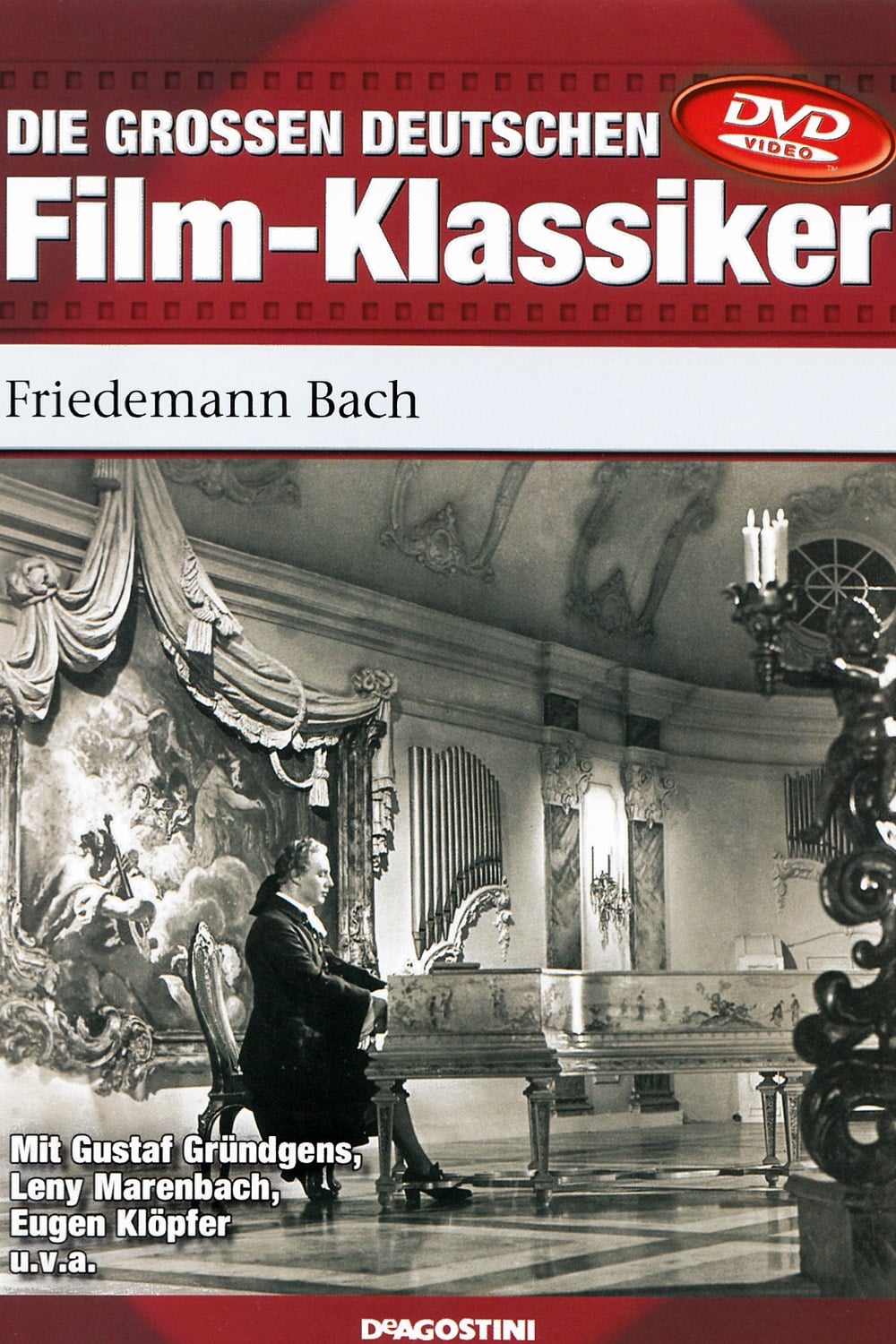
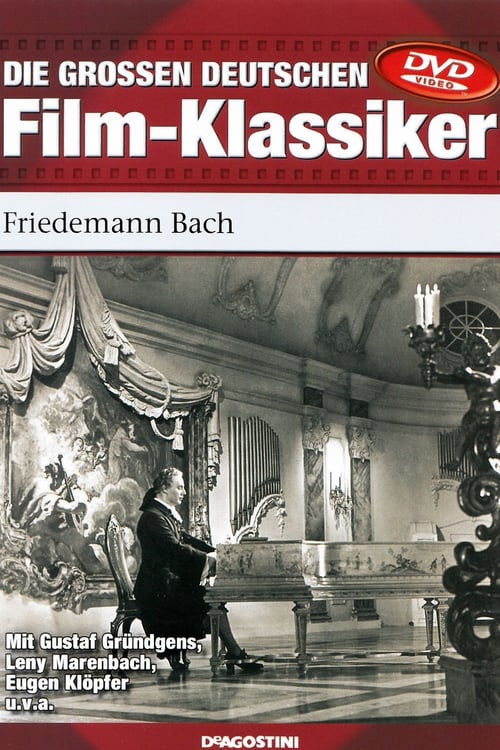
Friedemann Bach
Drama
Overview
During a house concert, the Bach family gets a visit by their son Wilhelm Friedemann, who has just given up his position in Dresden because he no longer could endure the reprisals of his superiors.
Top Cast
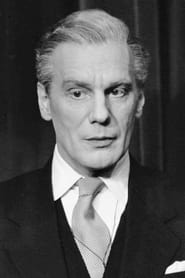
Gustaf Gründgens
Wilhelm Friedemann Bach
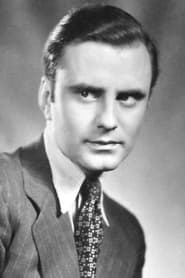
Wolfgang Liebeneiner
Carl Philipp Emanuel Bach
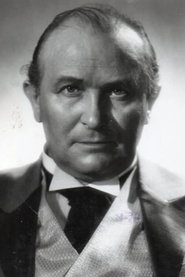
Eugen Klöpfer
Johann Sebastian Bach

Leny Marenbach
Antonia Kollowrat

Camilla Horn
Mariella Fiorini
Gustav Knuth
Johann Christoph Altnikol
Franz Schafheitlin
Sekretär Siepmann
Paul Bildt
Musikalienhändler Lohmann
Albert Florath
Gastwirt in Dresden
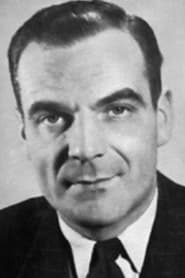
Franz Arzdorf
Kammerherr am königlichen Hof in Dresden

Johannes Riemann
Heinrich Graf von Brühl

Hermine Körner
Gräfin Kollowrat



Gustaf Gründgens
Gustaf Gründgens
Wilhelm Friedemann Bach
Gustaf Gründgens
Wilhelm Friedemann Bach
Wolfgang Liebeneiner
Wolfgang Liebeneiner
Carl Philipp Emanuel Bach
Wolfgang Liebeneiner
Carl Philipp Emanuel Bach
Eugen Klöpfer
Eugen Klöpfer
Johann Sebastian Bach
Eugen Klöpfer
Johann Sebastian Bach
Leny Marenbach
Leny Marenbach
Antonia Kollowrat
Leny Marenbach
Antonia Kollowrat
Camilla Horn
Camilla Horn
Mariella Fiorini
Camilla Horn
Mariella Fiorini
Gustav Knuth
Gustav Knuth
Johann Christoph Altnikol
Gustav Knuth
Johann Christoph Altnikol
Franz Schafheitlin
Franz Schafheitlin
Sekretär Siepmann
Franz Schafheitlin
Sekretär Siepmann
Paul Bildt
Paul Bildt
Musikalienhändler Lohmann
Paul Bildt
Musikalienhändler Lohmann
Albert Florath
Albert Florath
Gastwirt in Dresden
Albert Florath
Gastwirt in Dresden
Franz Arzdorf
Franz Arzdorf
Kammerherr am königlichen Hof in Dresden
Franz Arzdorf
Kammerherr am königlichen Hof in Dresden
Similar Movies

A beautiful, sometimes faintly bonkers celebration and contemplation of the role Bach’s music plays in the world today. Blending historical reconstruction with very loosely linked ‘dramatic’ scenes and documentary sequences, the film constitutes a playful, painterly sequence of variations on the argument that Johann Sebastian changed the way the world hears thanks to his extraordinary ear for harmony.
DEO A reimagining of Deo Gratias (ca. 1497) by Johannes Ockeghem. A Film by Eric Leiser. Animation by Eric Leiser. Composed by Pauline Kim Harris and Spencer Topel Deo is an acoustic-electronic transcription of Johannes Ockeghem’s stunning Deo Gratias devised as a complement to Ambient Chaconne. Notable as a 36-part canon, Ockeghem evokes singing of angels in heaven via an innovation on a traditional canon, using this ancient musical device as a kind of acoustic feedback delay. In essence, our Deo expands this idea of delays to a canon of thousands, in an ever expanding and infinite soundscape, where the melodies eventually dissolve into resonance.

Leipzig, December 1734: Christmas brings the Bach family together. The first snow has fallen and the children Gottfried and Elisabeth are delighted about the arrival of their older brothers Friedemann and Emanuel. The Thomaskantor has retired to his music room. Anna Magdalena supports her husband, as there are only a few days left and his latest work, the six-part "Christmas Oratorio", must be finished on time. It is awaited with suspicion by the city council and the gentlemen of the consistory, who have long found Bach's waywardness a thorn in their side and fear that, after the premiere of the St. Matthew Passion a few years earlier, the St. Thomas Church will once again be filled with "operatic" music. With the oratorio, Johann Sebastian Bach hopes that he will finally become court composer in Dresden. And, as always, he demands that all members of the family join forces to help him. But differences of opinion are increasingly delaying the completion of Bach's most famous work.
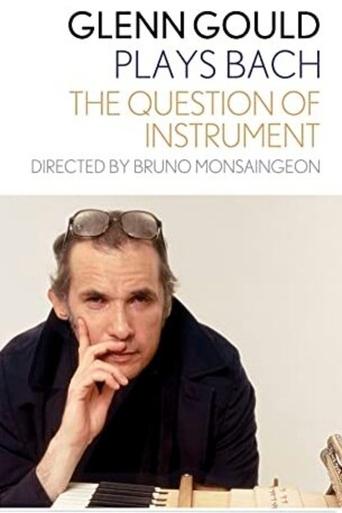
Part I of the series "Glenn Gould Plays Bach" is devoted to Bach's "Art of Fugue." Gould's performance is followed by a lively repartee with Monsaingeon, in which the pianist provides dazzling insights illustrated by music examples. He explains, for example, why he plays some pieces extremely slowly, and bemoans the "musicological overkill" of scholars who insist that Bach's keyboard music should only be played on a harpsichord.
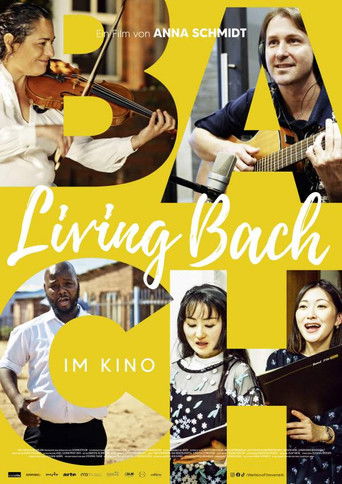
There are more than 300 Bach choirs and Bach ensembles worldwide, most of which are made up of amateurs. For many, their lives are inextricably linked with the music of Johann Sebastian Bach. What do people seek and find in his music? What connects them across continents? What fascination lies in the music of the famous German composer, which manages to transcend borders, cultures, religions and centuries? The film embarks on a journey through six continents to meet amateur musicians and singers who have made Bach their "centerpiece".