

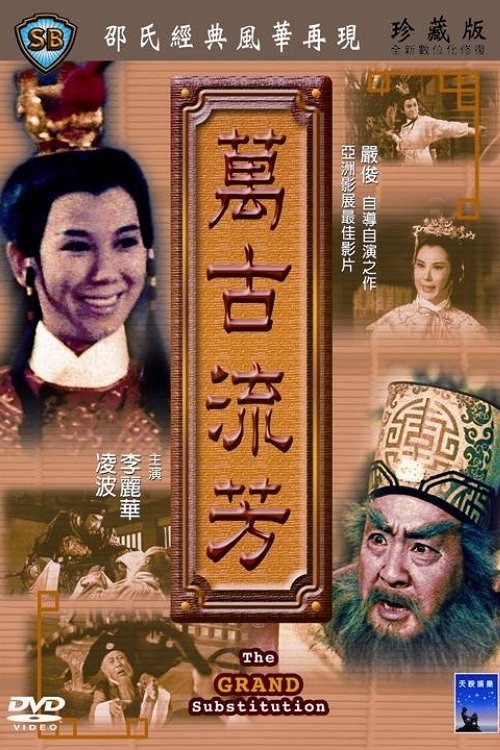
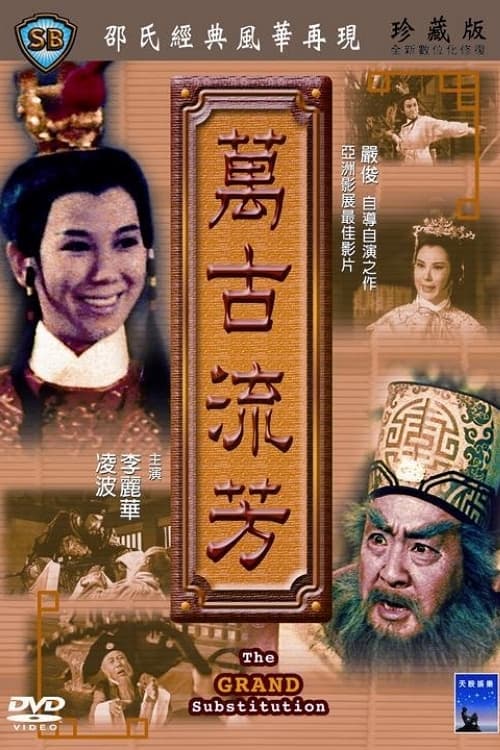
The Grand Substitution
Music · History · Drama
Overview
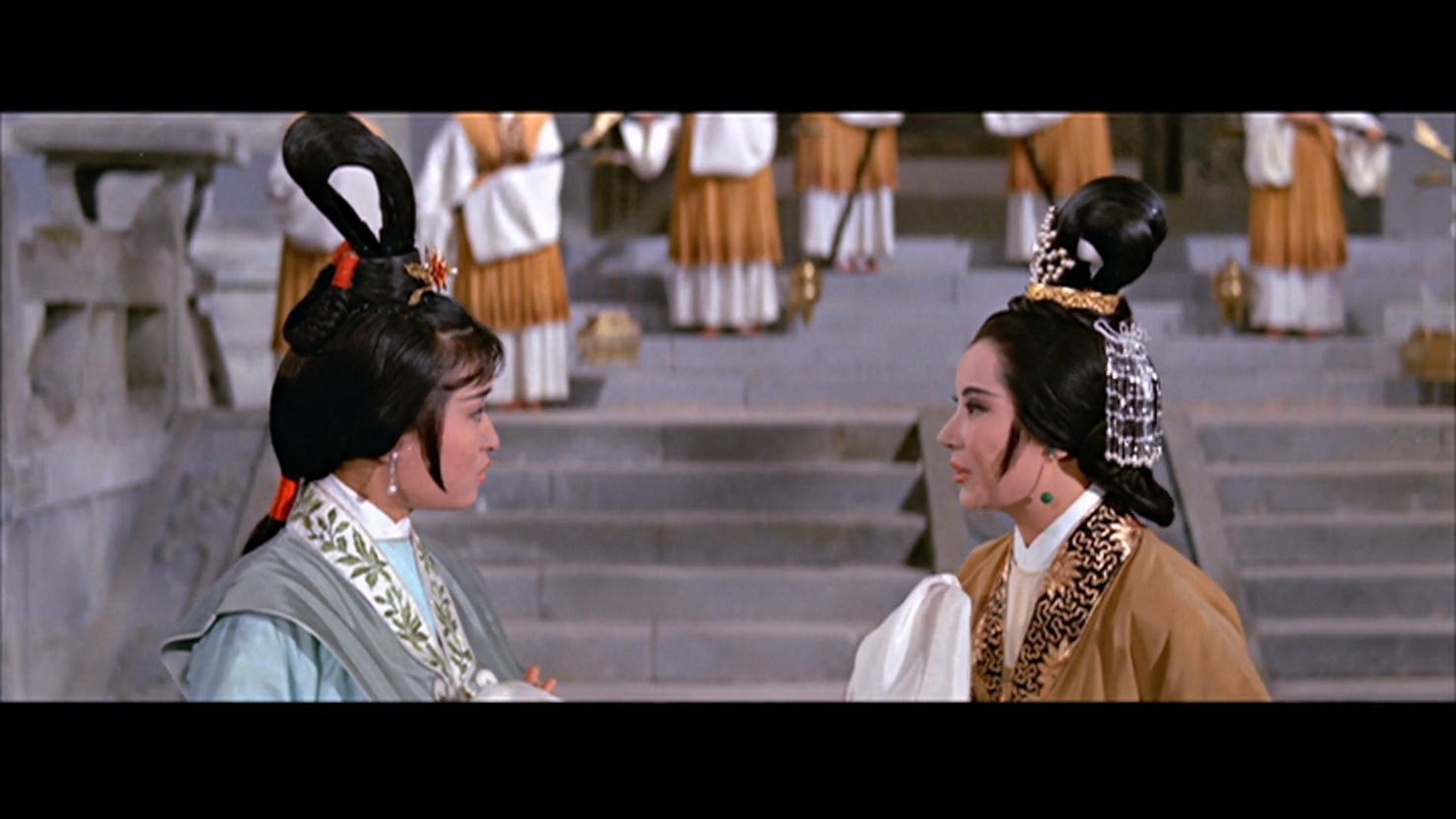
With China under control of a weak Emperor, two officials compete to steer the future destiny of the land. Chiu believes the people are the future of China, while the diabolical Tu wishes to grind the people beneath an iron heel. Tu decides to take out Chiu's family, but one lone infant escapes.
Top Cast



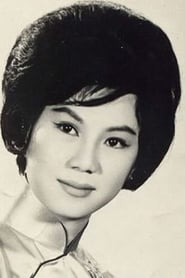
Ivy Ling Po
Ivy Ling Po
Chiu Wu
Ivy Ling Po
Chiu Wu
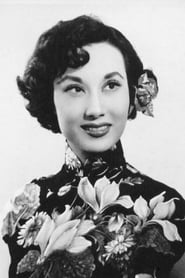
Li Li-Hua
Li Li-Hua
Princess Chuan Ji
Li Li-Hua
Princess Chuan Ji
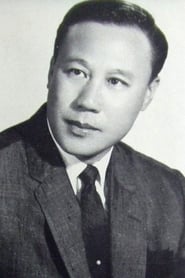
Yan Jun
Yan Jun
Ching Ying
Yan Jun
Ching Ying
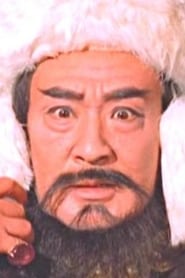
Lee Ying
Lee Ying
Chief Warden Tu An Ko
Lee Ying
Chief Warden Tu An Ko
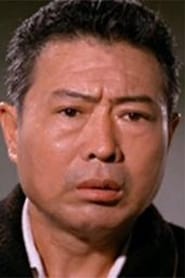
Ching Miao
Ching Miao
Prime Minister Chiu Zun
Ching Miao
Prime Minister Chiu Zun
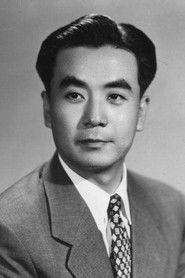
Yang Chi-Ching
Yang Chi-Ching
Kun Zun
Yang Chi-Ching
Kun Zun

Lee Ting
Lee Ting
Po Feng
Lee Ting
Po Feng

Ha Yee-Chau
Ha Yee-Chau
Chun Lan
Ha Yee-Chau
Chun Lan
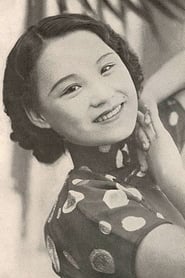
Chen Yanyan
Chen Yanyan
Ching Ying's wife
Chen Yanyan
Ching Ying's wife
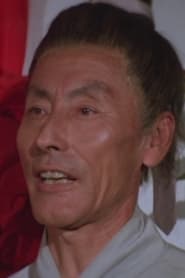
Cheung Hei
Cheung Hei
Fortune teller
Cheung Hei
Fortune teller
Similar Movies
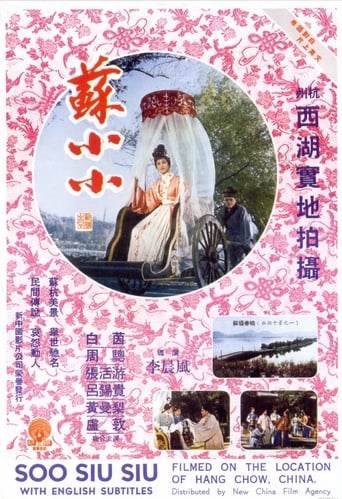
The film opens with a travelogue, showcasing West Lake and the real Mainland Chinese locations used by the film to which only the Left Wing of Hong Kong Cinema had access to at the time. The title character is a young woman raised by her courtesan aunt in the West Lake scenic resort area in Hangzhou. Siu Siu is perused by a local Official, but falls in love with the son of the Prime Minister. They marry, but are separated by the Prime Minister who arranges another marriage for the son. Siu Siu remains at West Lake, where she regretfully uses the desire of the earlier Official to help another of the girls find happiness.
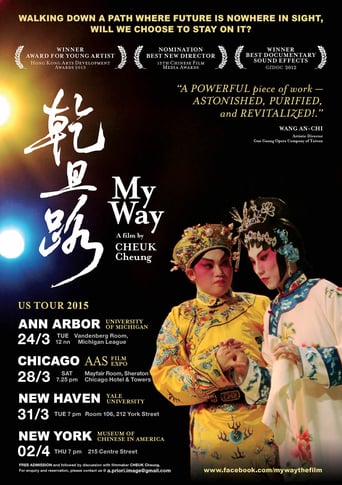
When facing a path with no future or precedent success, will we ever choose to stay? Cheuk Cheung’s My Way explores the Cantonese Opera tradition of male Dan performers, men who play female roles, against the backdrop of a Hong Kong society increasingly putting less value on art. Although female performers have long been part of the mainstream of Cantonese Opera, the film follows the stories of two young men who are still fascinated by the art of the male Dan, striving to find their own way to carry on the practice. A moving and searching look at the struggle for identity, My Way is a colourful, musical and moving film which offers a unique and highly personal look at perseverance in the face of a changing society.
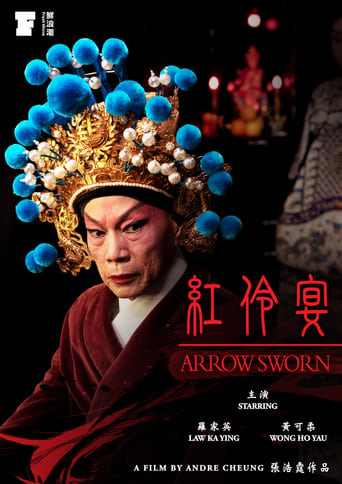
Brilliantly played by LAW Ka-ying, the revered Skyblade hails from a prestigious family of Cantonese opera singers. Pressured into performing opposite the sponsor’s child at the celebrated Red Banquet in return for financial support, the reluctant Skyblade is further taken aback when he realises that Jade is a girl slated to play a male lead role in a predominantly masculine cast. However, as Jade’s talent becomes apparent to Skyblade, a bond is formed between the two during rehearsals, and a mutual understanding that both have been sacrificing their dreams and passions out of duty towards the family. When Jade reveals a shocking resolution to take control of her life, it is up to Skyblade to decide their fate on stage.
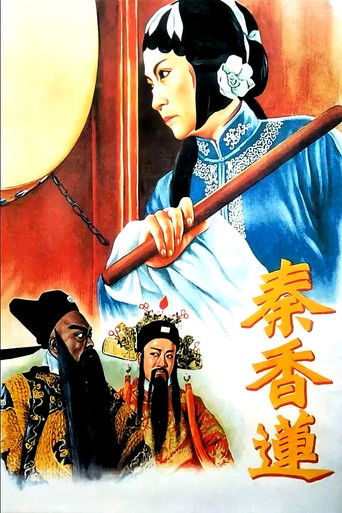
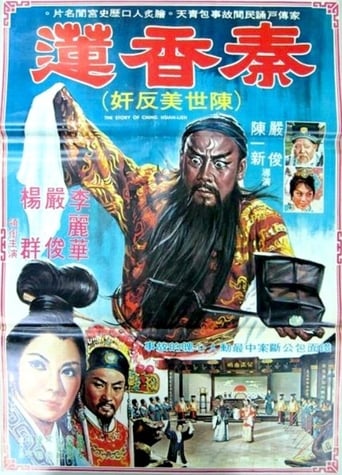
Qing (i.e. Qin) Xianglian was the wife of a man named Chen Shimei, who won the first title of national examination and awarded as husband of the emperor's daughter. Then Qing (i.e. Qin) sues Chen as a murderer who plans to kill his wife and son. In spite of the royal power, gownsman Bao Zhen settles the lawsuit and sentences Chen to serve his head.
This is the first 16mm Cantonese film in full colour, shot on 1940s state-of-the-art Technicolor film stock. Opera star Man-ha (Leung Bik-yuk) enjoys tremendous popularity during her performances in San Francisco, but drowns herself in the vices and temptations of the big city. Increasingly, she fails to show up for performances, almost causing the theatre to go bankrupt. When she sees her lover for the scoundrel that he is, she also sees the errors of her own ways and saves the theatre, restoring it to glory. Joseph Sunn Jue established the Grandview Film Company in Hong Kong during the 1930s and continued making films in the USA during wartime by collaborating with Chinese opera performers in exile there. Wong Hok-sing, an opera actor himself, directed, wrote and starred in this film. He staged a spectacular play-within-a-play at the end, not only to promote the art of Cantonese opera but also to boost solidarity among overseas Chinese through difficult times.
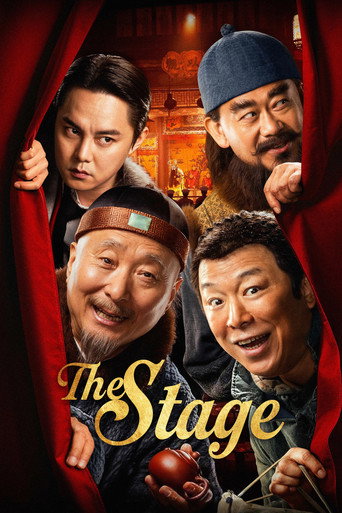
During the Republican era, wars and conflicts were frequent. On stage, the "Overlord" sings with resounding passion, while below, the absurd spectacle of life unfolds. They must both secure the opera troupe's livelihood and appease the audience in their seats. Once the curtain rises, how should this play be performed?