

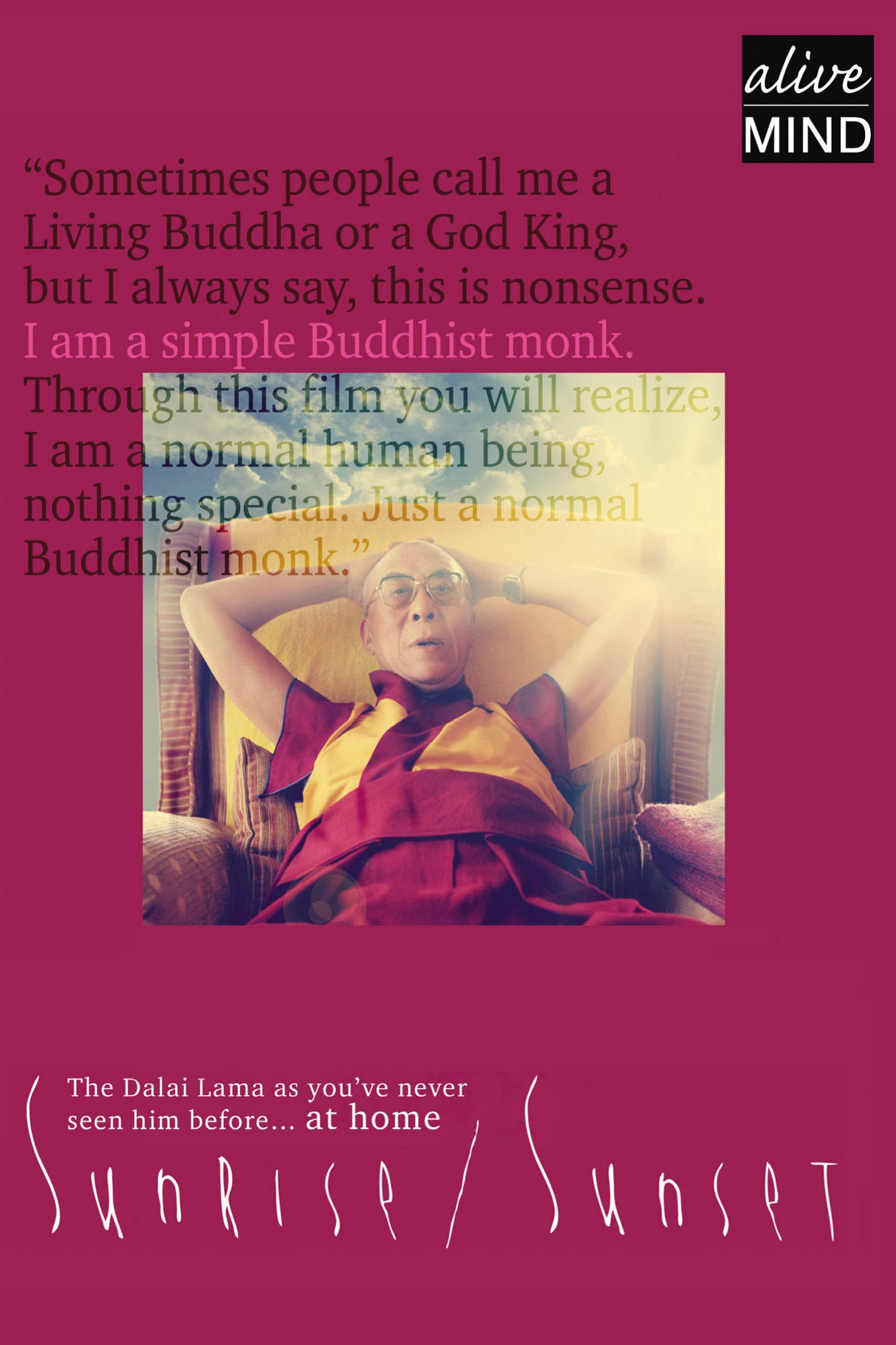
Sunrise/Sunset. Dalai Lama XIV
Documentary
Overview
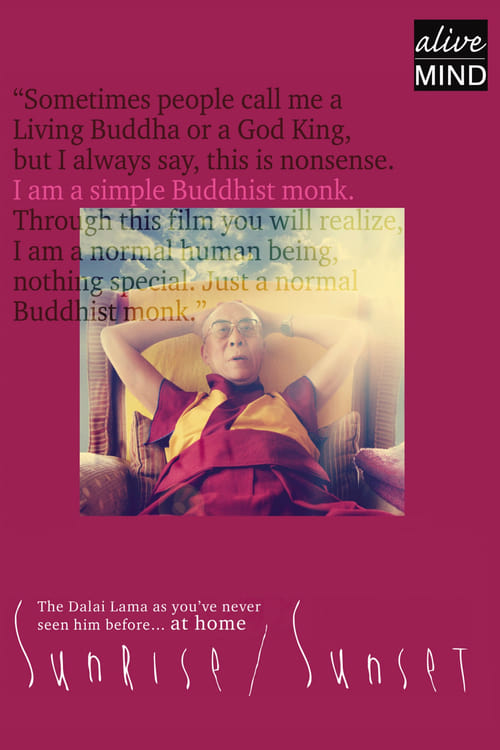
The daily life of the Dalai Lama is brought home with remarkable intimacy in SUNRISE/SUNSET. Granted total access to His Holiness for 24 hours, this is a day in the life of the Dalai Lama from when he wakes up at 3 a.m. until his bedtime at dusk.
Top Cast
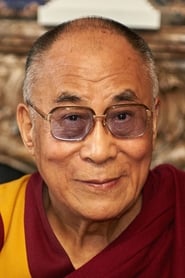
Tenzin Gyatso
Tenzin Gyatso
Self
Tenzin Gyatso
Self
Similar Movies
The Athos peninsula in Greece is one of Europe's last secrets. Over 2000 monks live on Athos - cut off from the outside world. Access is denied to women, tourists are not welcome. Only workers and pilgrims can obtain a visa. The "Autonomous Monastic State of the Holy Mountain" attracts people who feel like they are missing something from their modern lives. With the help of three Athos monks, "Athos - A Taste of Heaven" tells the story of the island and its inhabitants in a unique filmed diary style. The film's guiding theme is the path we as people have to find and follow - each and everyone for themselves. "First we must heal our own souls, only then we can help others", is one of Father Galaktions core messages. He lives as a hermit on the holy mountain. Not all monks, however, live as secluded and demure as Father Galaktion. The film team is also received by Father Epiphanios - a gifted and poetic cook who certainly does not disdain the pleasures of life.
Angdu is no ordinary boy. Indeed, in a past life he was a venerated Buddhist master. His village already treats him like a saint as a result. The village doctor, who has taken the boy under his wing, prepares him to be able to pass on his wisdom. Alas, Tibet, Angdu’s former homeland and the centre of his faith, lies far away from his current home in the highlands of Northern India. On top of that, the conflict between China and Tibet makes the prospect of a trip there even more daunting. Undeterred by these harsh facts, the duo set off for their destination on foot, accompanied by questions of friendship and the nature of life. With its narrative approach steeped in a serene sense of concentration, this documentary film, composed over a period of eight years, stands as a fundamental experience in its own right.
The influential life and powerful messages of Vietnamese Buddhist monk Thich Nhat Hanh are explored in this biographical documentary. For more than 50 years, this amazing social activist has preached self-awareness and compassion for all living beings. Follow him as he travels through France and the United States—including a stop at the Vietnam War Memorial in Washington, D.C.—spreading peace by teaching mindfulness and forgiveness.
Street art, creativity and revolution collide in this beautifully shot film about art’s ability to create change. The story opens on the politically charged Thailand/Burma border at the first school teaching street art as a form of non-violent struggle. The film follows two young girls (Romi & Yi-Yi) who have escaped 50 years of civil war in Burma to pursue an arts education in Thailand. Under the threat of imprisonment and torture, the girls use spray paint and stencils to create images in public spaces to let people know the truth behind Burma's transition toward "artificial democracy." Eighty-two hundred miles away, artist Shepard Fairey is painting a 30’ mural of a Burmese monk for the same reasons and in support of the students' struggle in Burma. As these stories are inter-cut, the film connects these seemingly unrelated characters around the concept of using art as a weapon for change.
Nicholas Vreeland walked away from a worldly life of privilege to become a Tibetan Buddhist monk. Grandson of legendary Vogue editor Diana Vreeland and apprentice of photographer Irving Penn, Nicholas' life changed drastically upon meeting one of the Dalai Lama's teachers. Soon thereafter, he gave up his glamorous life to live in a monastery in India, ultimately returning to his roots in photography to help his fellow monks rebuild their monastery.
Prajna is the Sanskrit word for radiant wisdom, and yatra is the word for pilgrimage or spiritual journey. This visually stunning documentary is a cinematic pilgrimage exploring the lost civilization of Angkor in Cambodia, including the largest temple in the world, the magnificent Angkor Wat. The journey continues to sacred sites of the natural world, Hindu Bali, jungles of Java, and discovering Buddhist Borobudur. A John Bush film.
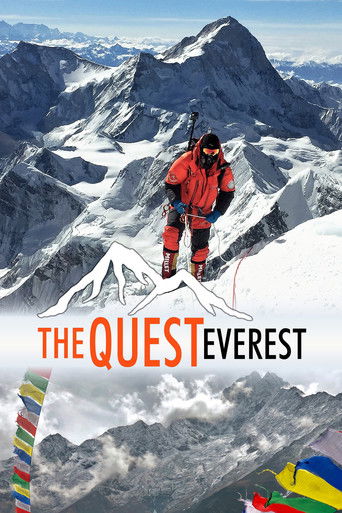
THE QUEST: Everest is a journey to deeper understand and climb the most iconic mountain in the world, Mt. Everest, and to reveal its amazing history and culture. From experiencing Everest like never before to witnessing unique stories about one of the most remarkable places on earth, THE QUEST: Everest is a one-of-a-kind cinematic tribute to the human spirit of adventure that lives inside us all.
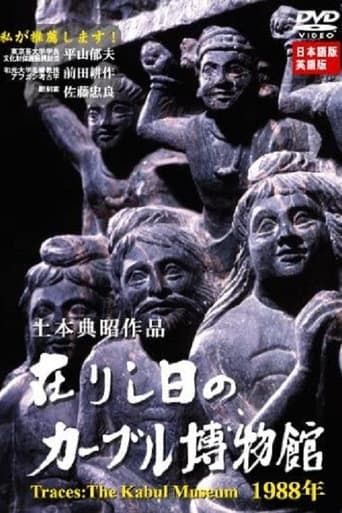
The Kabul National Museum, once known as the "face of Afghanistan," was destroyed in 1993. We filmed the most important cultural treasures of the still-intact museum in 1988: ancient Greco-Roman art and antiquitied of Hellenistic civilization, as well as Buddhist sculpture that was said to have mythology--the art of Gandhara, Bamiyan, and Shotorak among them. After the fall of the Democratic Republic of Afghanistan in 1992, some seventy percent of the contents of the museum was destroyed, stolen, or smuggled overseas to Japan and other countries. The movement to return these items is also touched upon. The footage in this video represents that only film documentation of the Kabul Museum ever made.
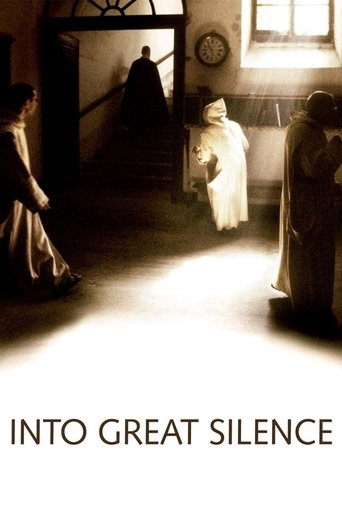
An intimate portrayal of the everyday lives of Carthusian monks of the Grande Chartreuse, high in the French Alps (Chartreuse Mountains). The idea for the film was proposed to the monks in 1984, but the Carthusians said they wanted time to think about it. The Carthusians finally contacted Gröning 16 years later to say they were now willing to permit Gröning to shoot the movie, if he was still interested.