

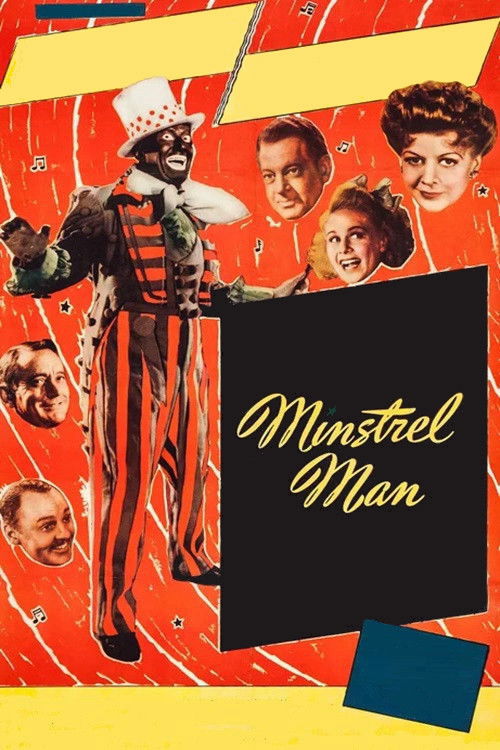
Minstrel Man
Music
Overview
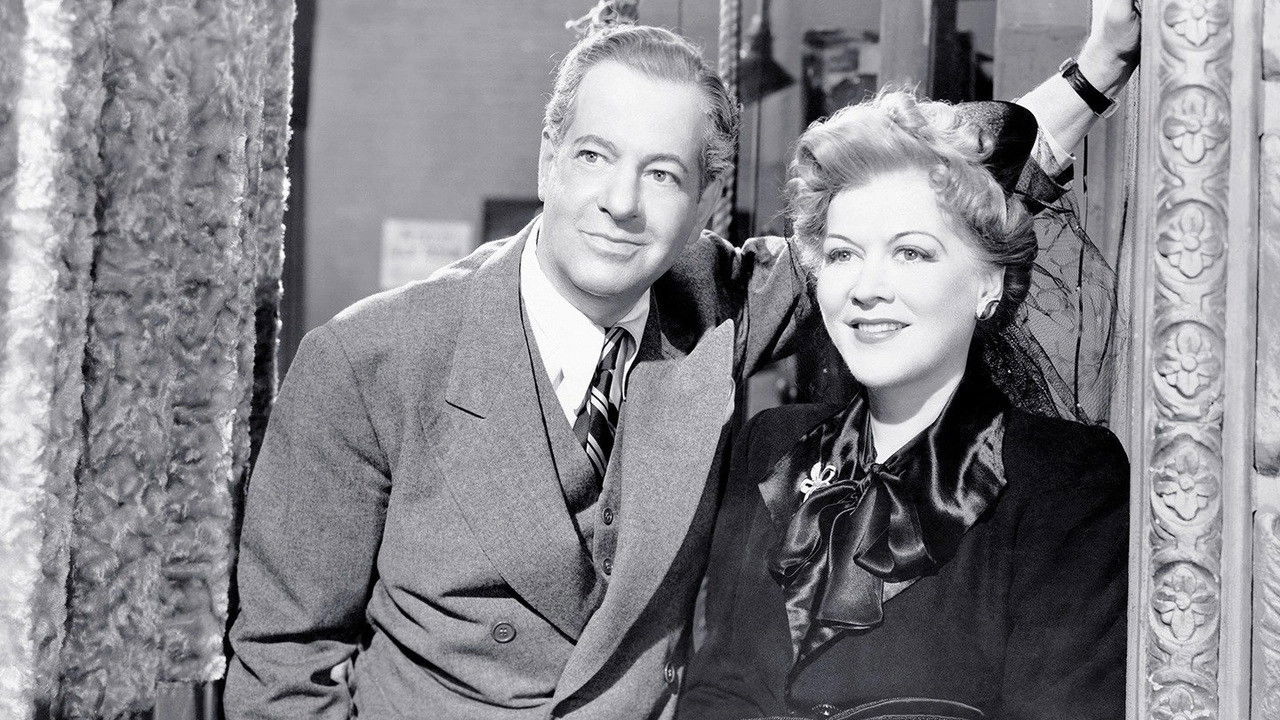
Unusually elaborate for a PRC film, Minstrel Man is a lively musical drama built around the talents of veteran vaudevillian Benny Fields. The star is cast as Dixie Boy Johnson, who rises from the ranks of minstrel shows to become a top Broadway attraction. On the opening night of his greatest stage triumph, Dixie Boy's wife dies in childbirth. Profoundly shaken, he walks out of the show, leaving the baby to be raised by his showbiz pals Mae and Lasses White (Gladys George, Roscoe Karns). The kid grows up to be an attractive young woman named Caroline (Judy Clark), who follows in her dad's footsteps by billing herself as-that's right-Dixie Girl Johnson. This leads to a tearful reunion between Caroline and the father she'd long assumed to be dead. If Minstrel Man seems at times to be a dress rehearsal for Columbia's The Jolson Story (1946), it shouldn't surprising: the PRC film was directed by Joseph H. Lewis, who went on to helm Jolson Story's musical highlights.



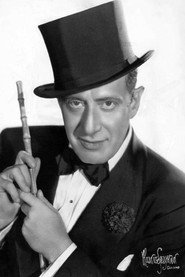
Benny Fields
Benny Fields
Dixie Boy Johnson
Benny Fields
Dixie Boy Johnson
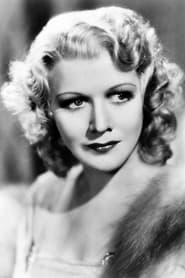
Gladys George
Gladys George
Mae White
Gladys George
Mae White

Alan Dinehart
Alan Dinehart
Lew Dunn
Alan Dinehart
Lew Dunn
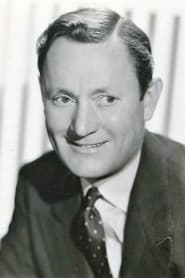
Roscoe Karns
Roscoe Karns
Lasses White
Roscoe Karns
Lasses White

Jerome Cowan
Jerome Cowan
Bill Evans
Jerome Cowan
Bill Evans
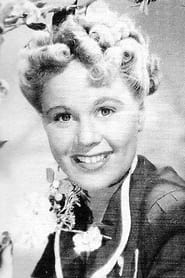
Judy Clark
Judy Clark
Caroline Jr.-16 years old
Judy Clark
Caroline Jr.-16 years old
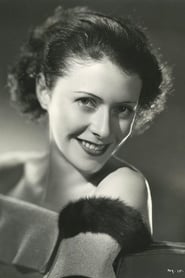
Molly Lamont
Molly Lamont
Caroline Johnson
Molly Lamont
Caroline Johnson
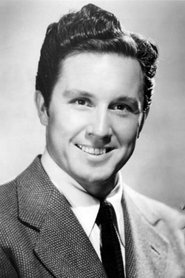
John Raitt
John Raitt
Singer
John Raitt
Singer
Similar Movies
In a small Japanese town, Ko-Ko is appointed to the unenviable position of executioner. Knowing he must successfully perform before the appearance of the Mikado in a month's time, Ko-Ko finds a suitable victim in Nanki-Poo, who is distraught over his unrequited love for the maiden Yum-Yum. Nanki-Poo agrees to sacrifice his life if he is allowed to spend his remaining days with Yum-Yum, who is betrothed to Ko-Ko.
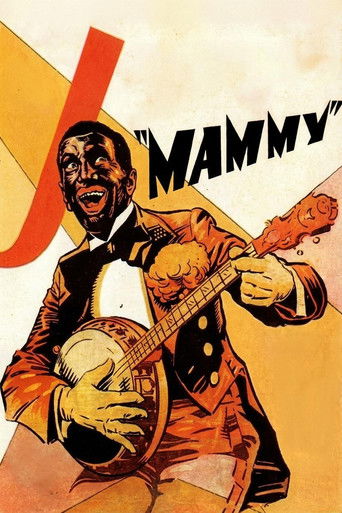
Mammy features Al Jolson as the star of a travelling minstrel show, appearing in cities and towns across the U.S. Jolson falls in love with an actress in the troupe (Lois Moran), but she loves another (Lowell Sherman). Sherman is shot onstage as part of a comedy bit, and it is assumed that Jolson is guilty of putting the bullet in the gun.
Harry and Inez are a dance team at the Wonder Bar. Inez loves Harry, but he is in love with Liane, the wife of a wealthy business man. Al Wonder and the conductor/singer Tommy are in love with Inez. When Inez finds out that Harry wants to leave Paris and is going to the USA with Liane, she kills him.
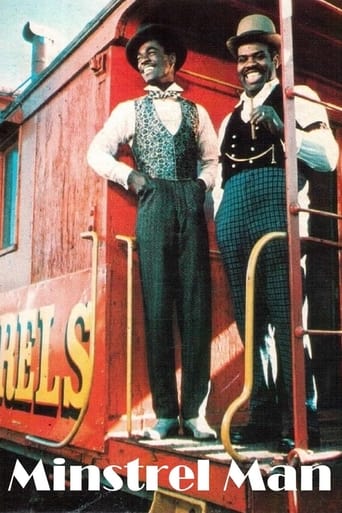
Two black brothers in a traveling minstrel show in the early part of the twentieth century have two different goals. One brother is determined to succeed in a field that is dominated by white performers in blackface, and the other is a composer fighting to break away from the stereotypes associated with black minstrel performers.
Donald Duck goes to a museum of modern inventions. After getting in without paying, he meets a robot butler who takes Donald's hat every time he sees him. Donald is very annoyed by this and magically fixes himself a new hat every time this happens and strolls on. Ignoring the sign not to touch it, Donald starts playing with a wrapping machine and ends up being wrapped himself. He also encounters and tries out a robot nursemaid and a fully automatic barber chair. They both don't do him much good.
No one suffered more magnificently in the early-talkie era than the inimitable Helen Twelvetrees. In Grand Parade, the actress is cast as Molly, the sweetheart of minstrel-show performer Jack Kelly. Rising to the top of his profession, Kelly plummets to the bottom thanks to his fondness for intoxicating beverages. Molly nurses and coddles Kelly back to health, giving nary a thought for her own comfort or happiness.
At its peak, The Black and White Minstrel Show was watched by a Saturday night audience of more than 20 million people. David Harewood goes on a mission to understand the roots of this strange, intensely problematic cultural form: where did the show come from, and what made it popular for so long? With the help of historians, actors and musicians, David uncovers how, at its core, blackface minstrelsy was simply an attempt to make racism into an art form - and can be traced back to a name and a date.