

Coast of Death
Documentary
Overview
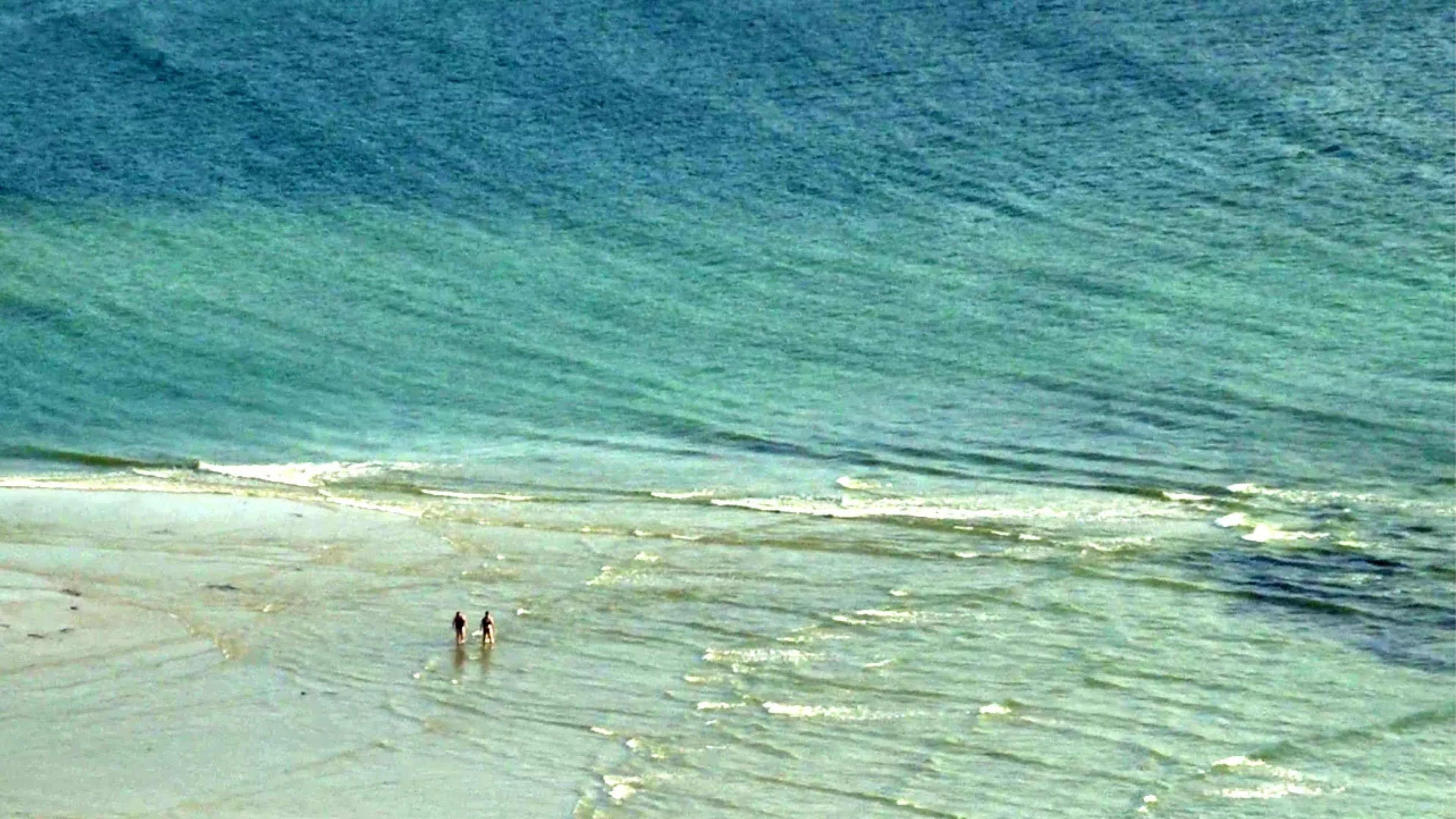
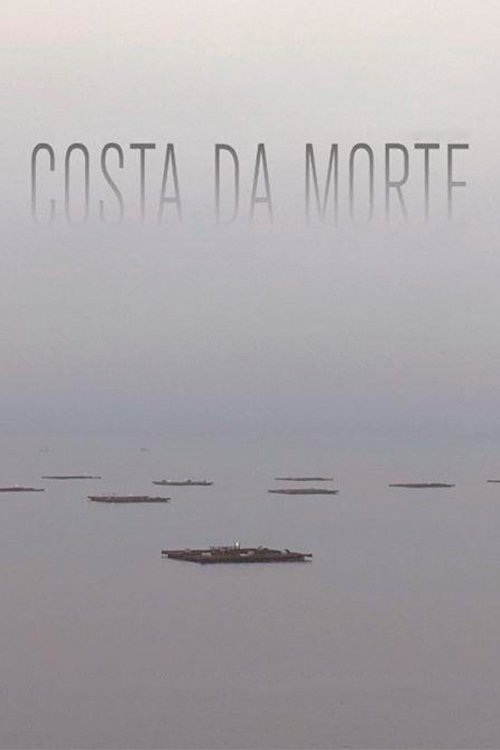
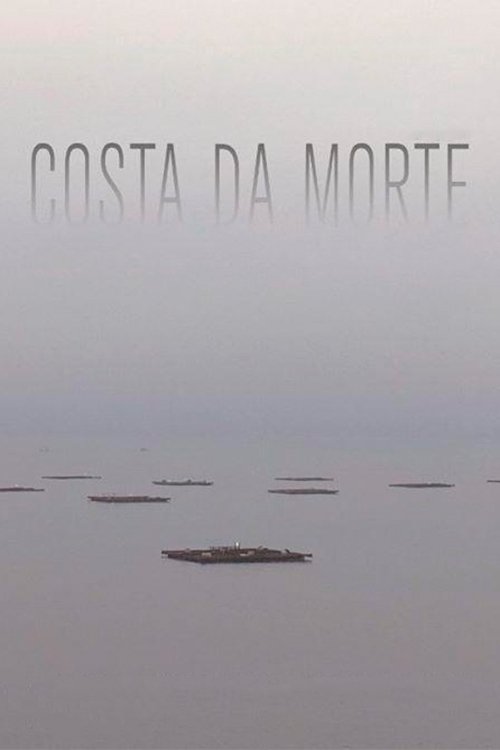
Portrait of Costa da Morte (coast region in Galicia, Spain) from an ethnographic and landscape level, exploring also the collective imagination associated with the area. A region marked by strong oceanic feeling dominated by the historical conception of world's end and with tragic shipwrecks. Fragmentary film that approaches to the anthropological from its protagonists: sailors, shellfish, loggers, farmers ... A selection of characters representative of the traditional work carried out in the countryside in the region, allowing us to reflect on the influence of the environment on people.

No cast information.
Similar Movies
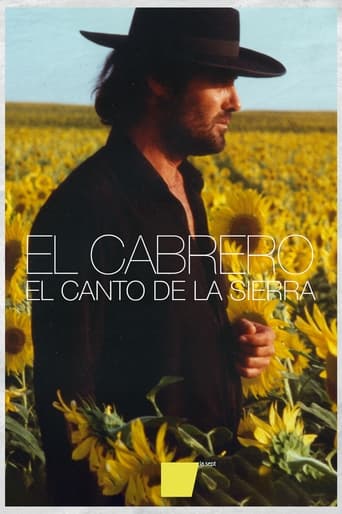
Documentary portrait of José Domínguez Muñoz, better known as "El Cabrero" (French for "the goatherd"), Spanish libertarian flamenco singer born in Aznalcóllar, province of Seville, in 1944 and filmed over two weeks in 1988 in Seville, Aznalcóllar, La Carbonería de Sevilla and Marinaleda, and in concert at a recital in Bayonne. Politically committed, El Cabrero defines himself as a libertarian. Since the 1970s, he has been close to the anarchist movement. For many years, he was a member of the anarcho-syndicalist Confédération Nationale du Travail.
The history of Bruguera, the most important comic publisher in Spain between the 1940s and the 1980s. How the characters created by great writers and pencilers became Spanish archetypes and how their strips persist nowadays as a portrait of Spain and its people. The daily life of the creators and the founding family, the Brugueras. The world in which hundreds of vivid colorful paper beings lived and still live, in the memory of millions, in the smile of everyone.
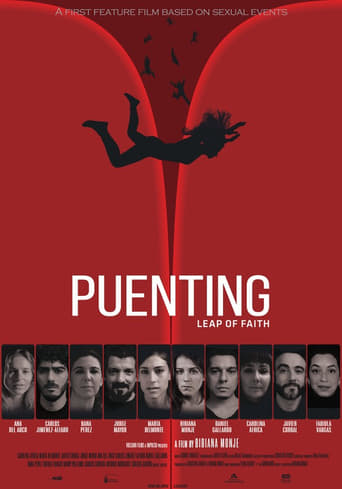
A first feature based on sexual events. An actress undertakes her desire of directing her first movie, without a budget or any production company funding her project. She gathers a group of professional actors and actresses, and proposes a project based on a very particular experience: stepping on their fears through a metaphorical 'leap of faith'. As the project advances, individual conflicts will arise affecting the shoot, making the movie crew wonder whether or not they should go on. Will they take the leap of faith with all its consequences?
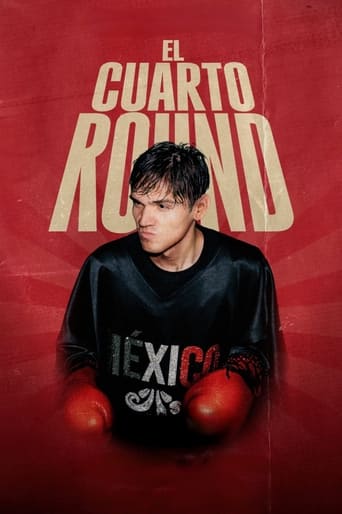
Accompany Osvaldo, "El Mariana", on an intimate six-month journey as he prepares for his fight at La Velada del Año 4, at the Santiago Bernabéu stadium in Madrid. Through his training, we not only see him face physical and emotional challenges, but also discover new facets of himself, where his public and personal lives become deeply intertwined.
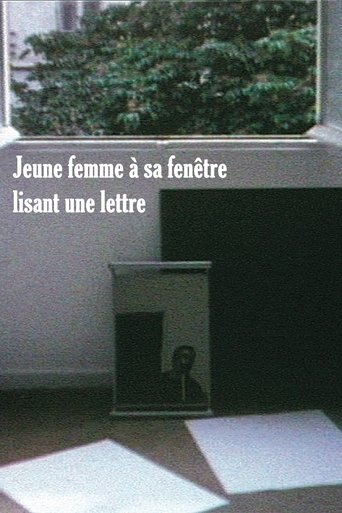
Jean-Claude Rousseau's Jeune femme à sa fenêtre lisant une lettre is not only his first medium-length film, but a chance to discover this filmmaker whom Jean-Marie Straub has called, along with Frans Van de Staak and Peter Nestler, the greatest working in Europe. With this newly restored print there is also a possibility to discover the relationship between Rousseau's art of filming and Jan Vermeer's famous painting. As Prosper Hillairet wrote in 1988, four years after Rousseau had finished Jeune femme ... (for the first time as we know today): «Without adopting the usual systematic spirit and form of cinéma structurel, Rousseau presents us with simple images and leaves it at that. Keeps the image in hand. A minimalist and ascetic expression of cinema: a shot that lasts.»
This documentary aims to register this unknown side of James Joyce: His Greek Notebooks. Trieste. Bloomsday, 2013. Dance in slow motion, accompanied by text. By deconstructing the body, we turn it into a memory: of the body, of life, of texts. The biographical references to Joyce and Mando Aravantinou, combined with the diagonal slicing of the image, cancel the realism of the landscape, including that of the Narrator’s space/study. As a culmination, Joyce’s letter “A request for a loan in Greek” functions as a timely denunciation. Various routes through cities, such as Trieste, London, New York, and Athens; languages such as Greek and English. In addition to the primal myth of Ulysses, there is another issue: Greek is “the language of the subject of Ulysses”
The rare short film presents a curious dialogue between filmmaker Julio Bressane and actor Grande Otelo, where, in a mixture of decorated and improvised text, we discover a little manifesto to the Brazilian experimental cinema. Also called "Belair's last film," Chinese Viola reveals the first partnership between photographer Walter Carvalho and Bressane.