

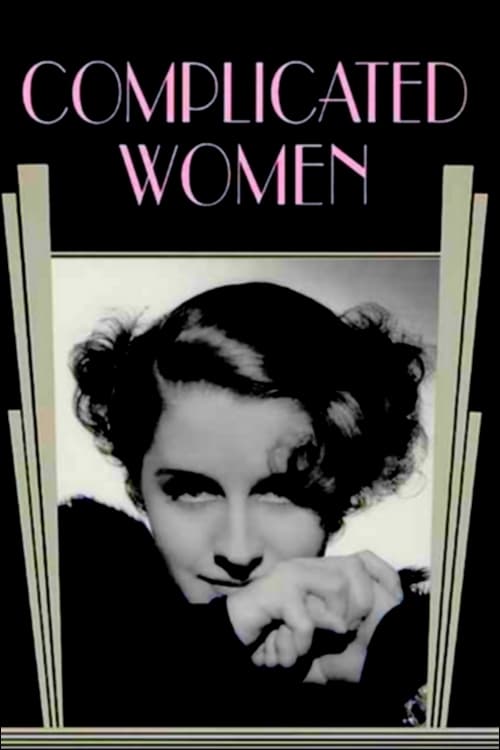
Complicated Women
Documentary · TV Movie
Overview
Looks at the stereotype-breaking films of the period from 1929, when movies entered the sound era, until 1934 when the Hays Code virtually neutered film content. No longer portrayed as virgins or vamps, the liberated female of the pre-code films had dimensions. Good girls had lovers and babies and held down jobs, while the bad girls were cast in a sympathetic light. And they did it all without apology.
Top Cast
Jane Fonda
Self - Narrator (voice)
Frances Dee
Self - Interviewee
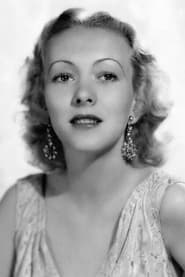
Karen Morley
Self - Interviewee
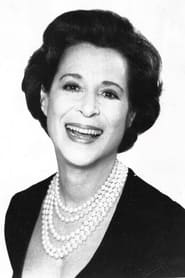
Kitty Carlisle
Self - Interviewee
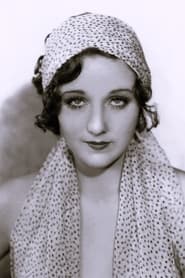
Mae Madison
Self - Interviewee
Mark Vieira
Self - Interviewee
Mick LaSalle
Self - Interviewee
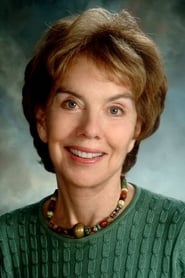
Molly Haskell
Self - Interviewee
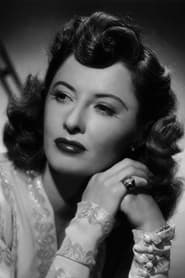
Barbara Stanwyck
Self (archive footage)
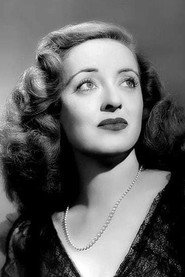
Bette Davis
Self (archive footage)

C. Aubrey Smith
Self (archive footage)
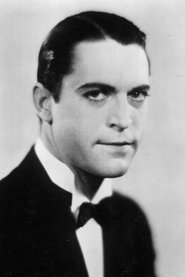
Chester Morris
Self (archive footage)


Jane Fonda
Jane Fonda
Self - Narrator (voice)
Jane Fonda
Self - Narrator (voice)
Frances Dee
Frances Dee
Self - Interviewee
Frances Dee
Self - Interviewee
Karen Morley
Karen Morley
Self - Interviewee
Karen Morley
Self - Interviewee
Kitty Carlisle
Kitty Carlisle
Self - Interviewee
Kitty Carlisle
Self - Interviewee
Mae Madison
Mae Madison
Self - Interviewee
Mae Madison
Self - Interviewee
Mark Vieira
Mark Vieira
Self - Interviewee
Mark Vieira
Self - Interviewee
Mick LaSalle
Mick LaSalle
Self - Interviewee
Mick LaSalle
Self - Interviewee
Molly Haskell
Molly Haskell
Self - Interviewee
Molly Haskell
Self - Interviewee
Barbara Stanwyck
Barbara Stanwyck
Self (archive footage)
Barbara Stanwyck
Self (archive footage)
Bette Davis
Bette Davis
Self (archive footage)
Bette Davis
Self (archive footage)
Similar Movies
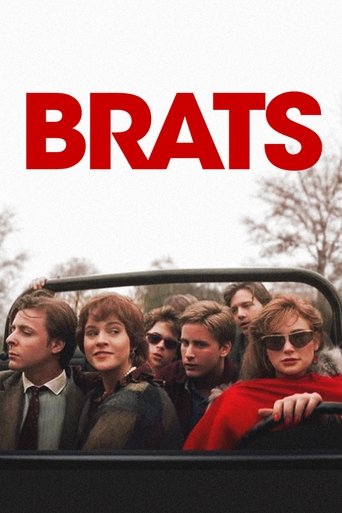
In the 1980s, Andrew McCarthy was part of a young generation of actors who were set to take over Hollywood after a string of successful teen movies. However, when the New York magazine cover story in 1985 dubs them the Brat Pack, stars in the making suddenly find themselves losing control over the trajectory of their careers. Now, almost forty years later, McCarthy looks to reconnect with peers and co-stars so that together they can reflect on their respective legacies.
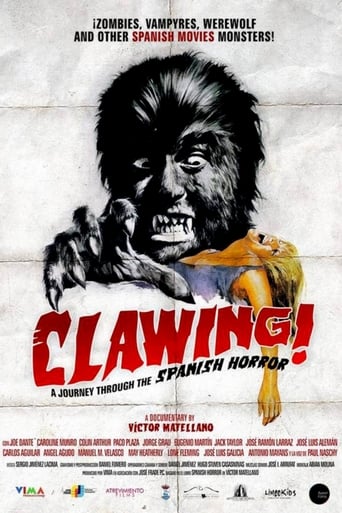
In the late sixties, Spanish cinema began to produce a huge amount of horror genre films: international markets were opened, the production was continuous, a small star-system was created, as well as a solid group of specialized directors. Although foreign trends were imitated, Spanish horror offered a particular approach to sex, blood and violence. It was an extremely unusual artistic movement in Franco's Spain.
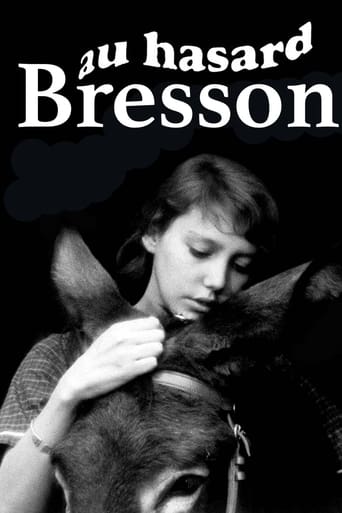
In 1966, German film critic Theodor Kotulla — who would go on to become one of the New German Cinema's most uncompromising filmmakers — visited the set of Robert Bresson's "Mouchette" (1967) and created this half-hour documentary about the director. It won the 1967 German Film Award for best short documentary.