


Documentary
Overview
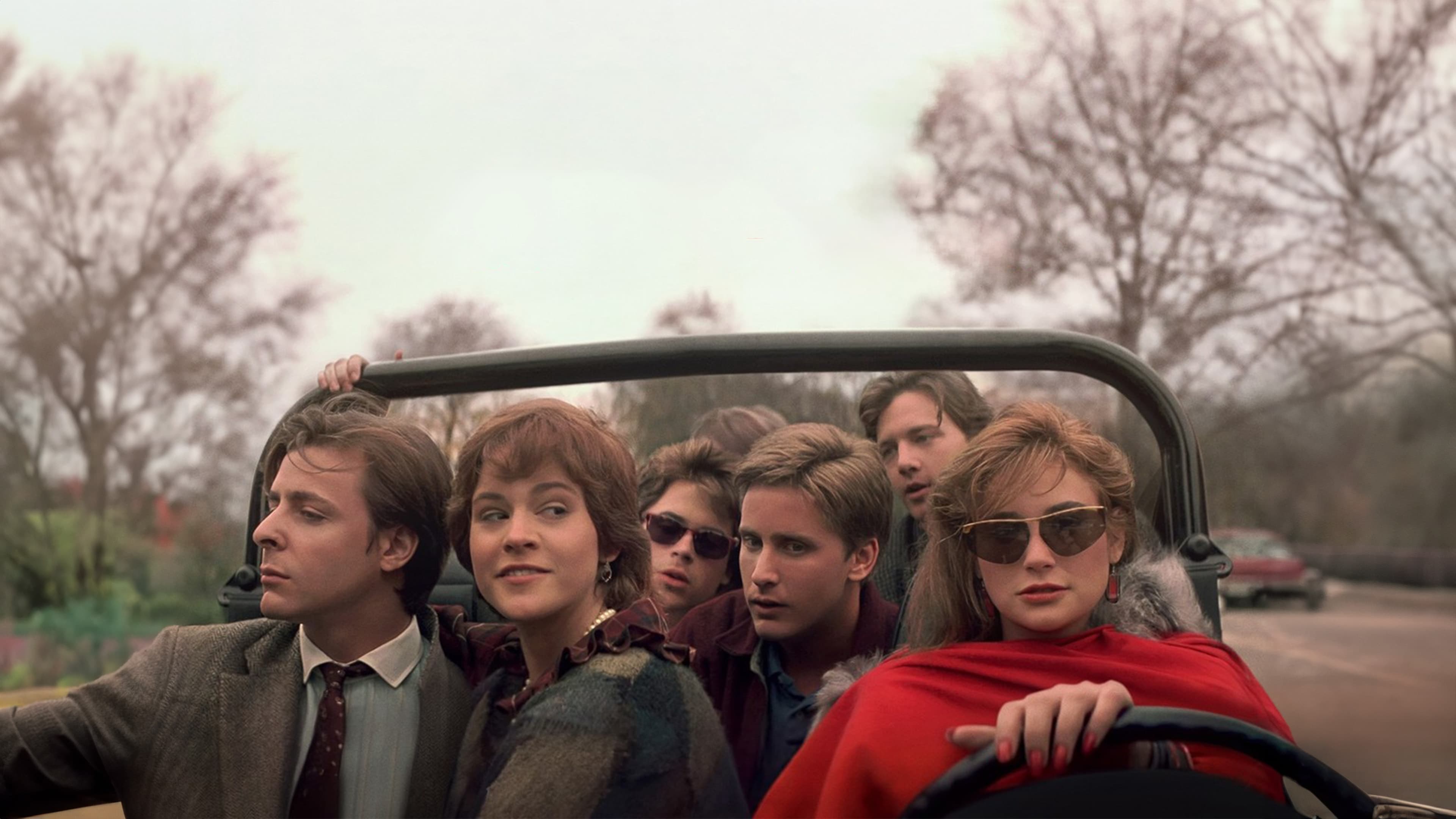
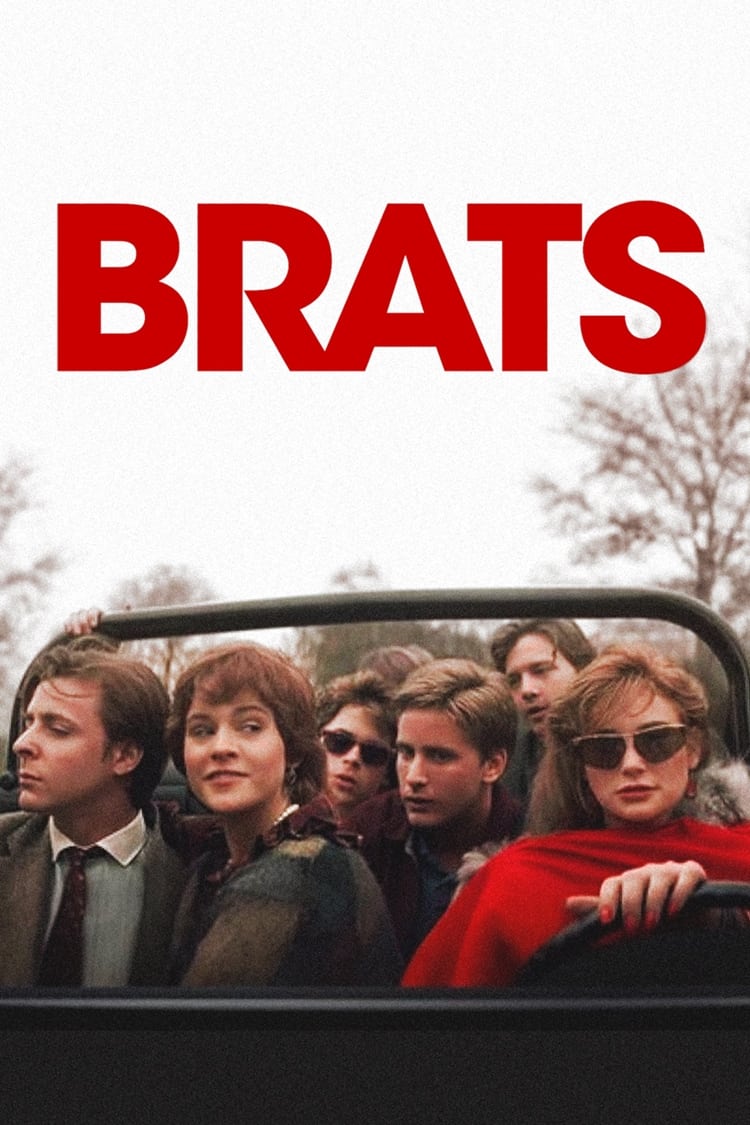
In the 1980s, Andrew McCarthy was part of a young generation of actors who were set to take over Hollywood after a string of successful teen movies. However, when the New York magazine cover story in 1985 dubs them the Brat Pack, stars in the making suddenly find themselves losing control over the trajectory of their careers. Now, almost forty years later, McCarthy looks to reconnect with peers and co-stars so that together they can reflect on their respective legacies.



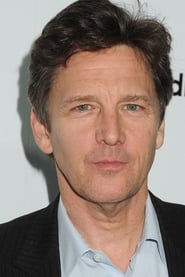
Andrew McCarthy
Andrew McCarthy
Self
Andrew McCarthy
Self
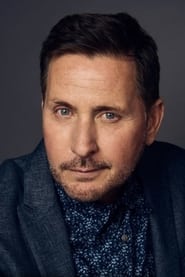
Emilio Estevez
Emilio Estevez
Self
Emilio Estevez
Self

Ally Sheedy
Ally Sheedy
Self
Ally Sheedy
Self

Demi Moore
Demi Moore
Self
Demi Moore
Self
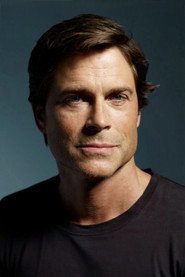
Rob Lowe
Rob Lowe
Self
Rob Lowe
Self
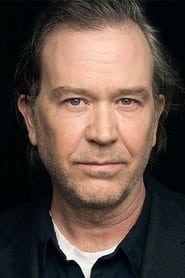
Timothy Hutton
Timothy Hutton
Self
Timothy Hutton
Self

Lea Thompson
Lea Thompson
Self
Lea Thompson
Self
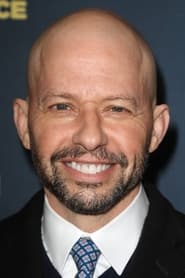
Jon Cryer
Jon Cryer
Self
Jon Cryer
Self
David Blum
David Blum
Self
David Blum
Self

Lauren Shuler Donner
Lauren Shuler Donner
Self
Lauren Shuler Donner
Self
Similar Movies
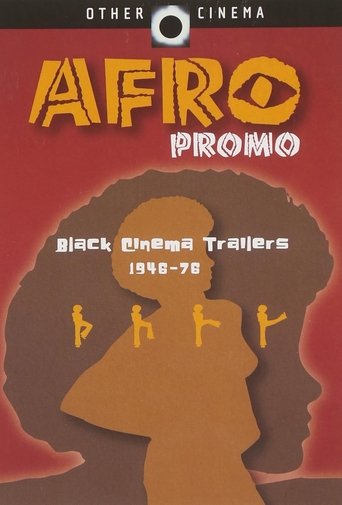
Co-curated by Jenni Olson and the late Black gay activist Karl Knapper, this entertaining showcase of vintage movie trailers traces the evolution of African American cinema through its most crucial period, 1952-1976. Filled with insights on race and social dynamics, this fascinating compendium of coming attractions explores an extensive range of stylistic approaches—Blaxploitation, Comedy, Music Bio, Plantation Drama and more—offering an outrageous joyride through motion picture history. Beyond mere camp, these marvelously condensed gems crystallize a range of African American identities and personalities, tracking the meteoric careers of Sidney Poitier, James Earl Jones, Billy Dee Williams, Richard Pryor, Pam Grier and others through their bold performances in movies both hugely popular and practically forgotten. Afro Promo provides a compact glimpse at the representation of African Americans through twenty-five dynamic years of American cinema history.
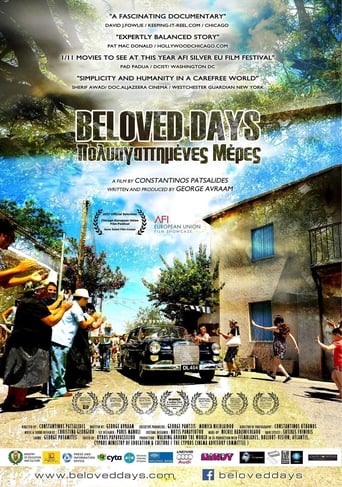
In 1970 the people of Karmi in Cyprus participate in an unprecedented experience: the shooting of the film "Beloved", with Hollywood cast and crew. This documentary functions as a kaleidoscope, transmitting images of that magical time and of the traumatic changes in their lives after the Turkish invasion. Four decades later, they revisit nostalgically those old beloved days.

Between the end of the Second World War and the abolition of the "offence of homosexuality" in 1982, 10,000 sentences were handed down in France. Sentences in correctional courts, fines and sometimes imprisonment, the convictions were mainly against men. The last witnesses of this period speak out and tell of four decades of clandestine life, just before the tragedy of AIDS.

This documentary captures the sounds and images of a nearly forgotten era in film history when African American filmmakers and studios created “race movies” exclusively for black audiences. The best of these films attempted to counter the demeaning stereotypes of black Americans prevalent in the popular culture of the day. About 500 films were produced, yet only about 100 still exist. Filmmaking pioneers like Oscar Micheaux, the Noble brothers, and Spencer Williams, Jr. left a lasting influence on black filmmakers, and inspired generations of audiences who finally saw their own lives reflected on the silver screen.
A roller-coaster ride through the history of American exploitation films, ranging from Roger Corman's sci-fi and horror monster movies, 1960s beach movies, H.G. Lewis' gore-fests, William Castle's schlocky theatrical gimmicks, to 1970s blaxploitation, pre-"Deep Throat" sex tease films, Russ Meyer's bosom-heavy masterpieces, etc, etc. Over 25 interviews of the greatest purveyors of weird films of all kind from 1940 to 1975. Illustrated with dozens of films clips, trailers, extra footage, etc. This documentary as a shorter companion piece focusing on exploitation king David F. Friedman.
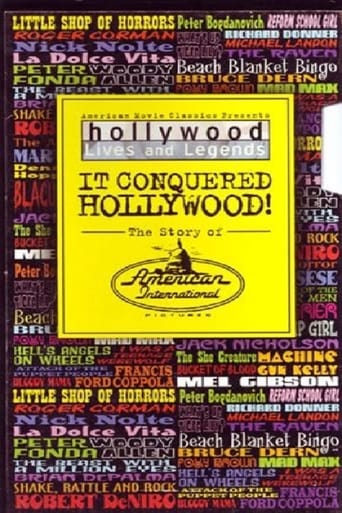
A 60-minute salute to American International Pictures. Entertainment lawyer Samuel Z. Arkoff founded AIP (then called American Releasing Corporation) on a $3000 loan in 1954 with his partner, James H. Nicholson, a former West Coast exhibitor and distributor. The company made its mark by targeting teenagers with quickly produced films that exploited subjects mainstream films were reluctant to tackle.
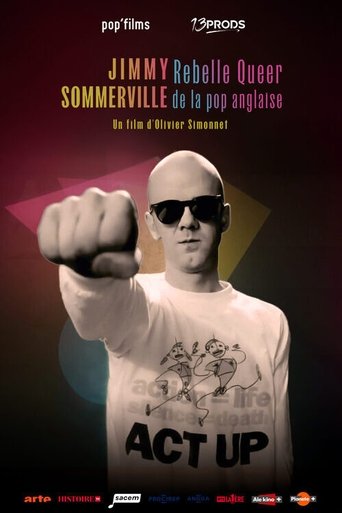
With his soaring falsetto and magnetic yet understated stage presence, Jimmy Somerville burst onto the 1980s new wave scene, making the world dance to songs rooted in struggle and resilience. From the harsh realities of Glasgow’s working-class neighborhoods to the challenges of growing up gay in a hostile world, and the devastating impact of the AIDS crisis, Somerville transformed pain into anthems of freedom. First with Bronski Beat, then The Communards, and later as a solo artist, he became both rebel and diva—the unmistakable voice of a generation fighting for equality. Through intimate stories from those who have stood by him for four decades, this portrait reveals a rare artist who has never wavered in his convictions.
The video is accompanied by a richly detailed article that adds more depth to the documentary. If there’s any question about why Hollywood is dead set against the unionization of vfx artists, the following graphic from the article will answer the question: vfx artists comprise the biggest portion of the crew on most Hollywood blockbusters.