


Drama · War
Overview
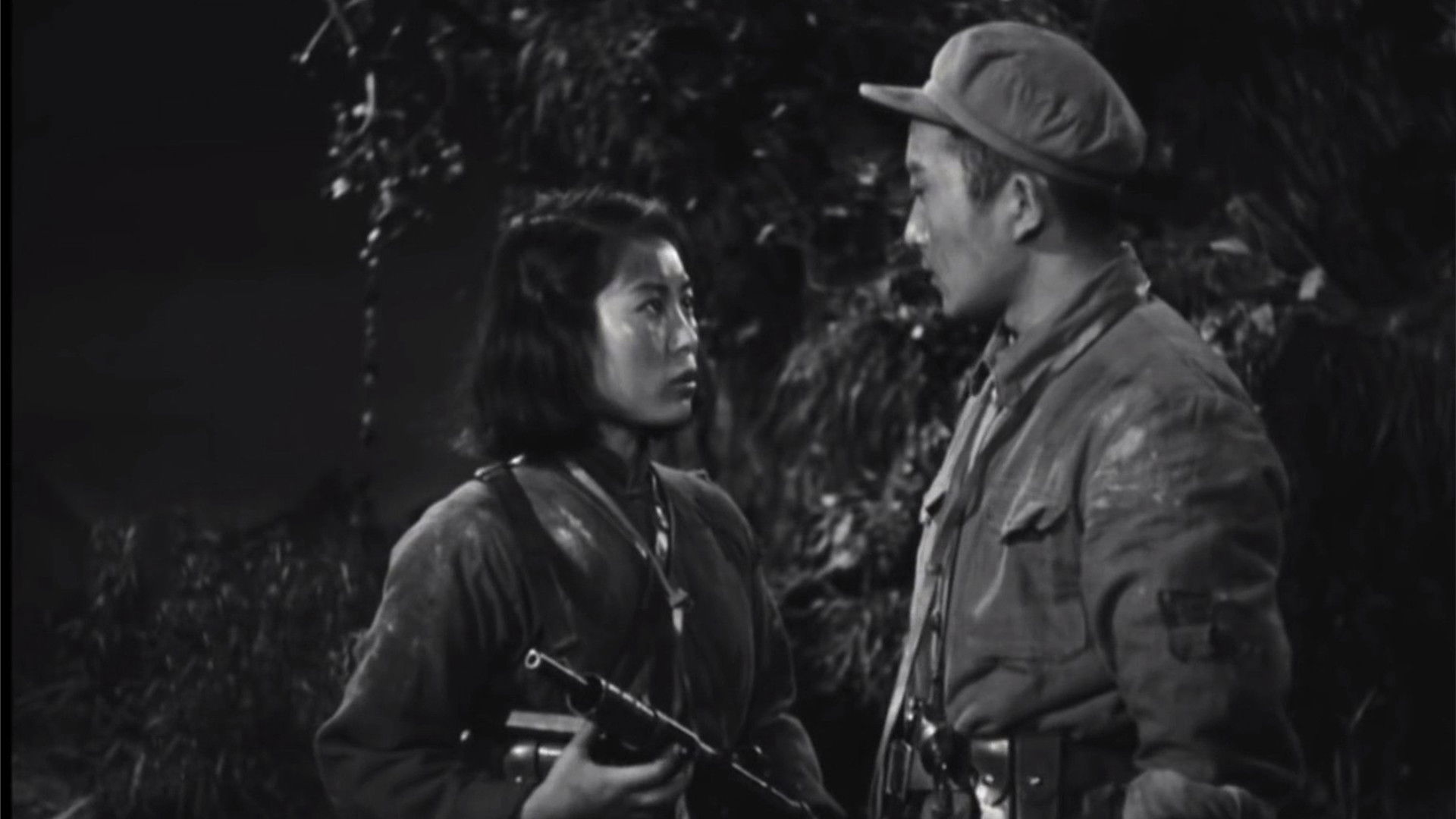
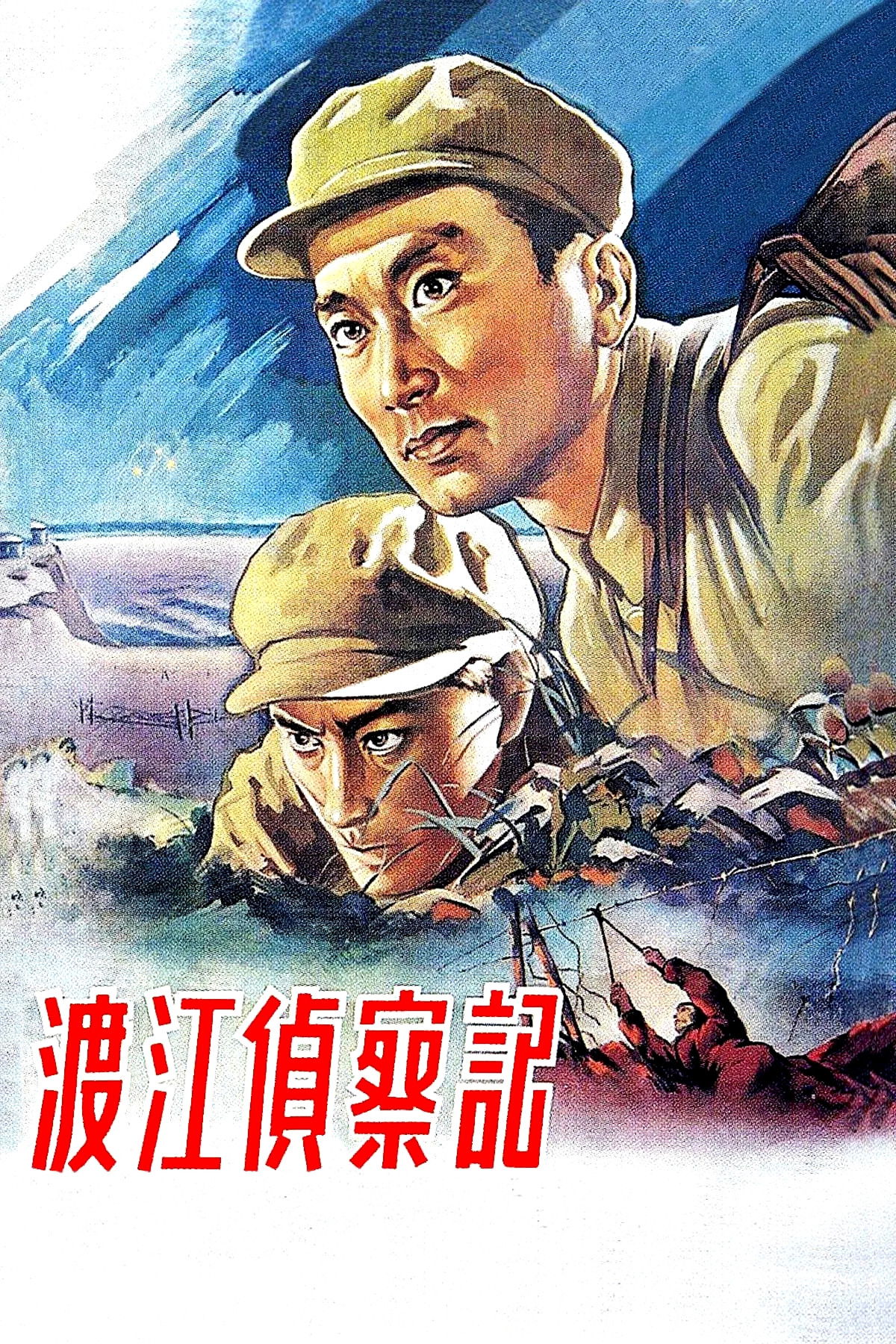
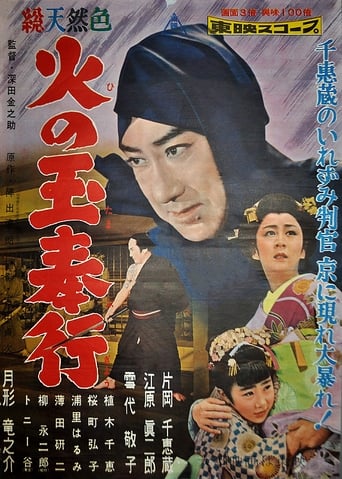
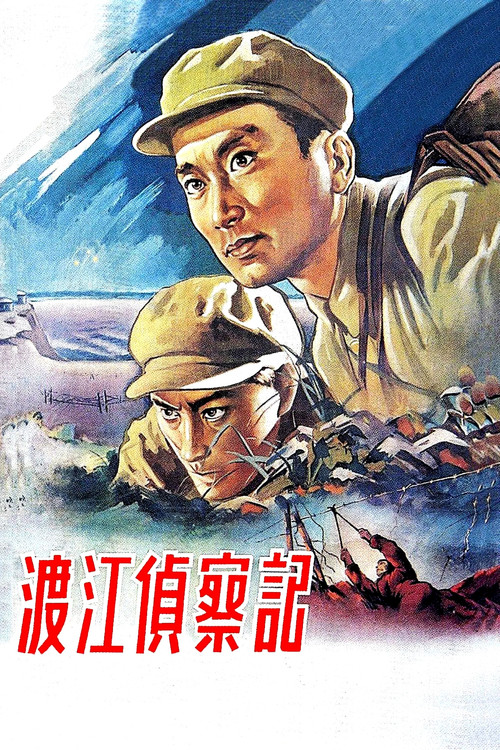
In the spring of 1949, a war is about to happen between the Liberation Army and Kuomintang Army on the Yangtze River. The Liberation Army dispatches a reconnaissance to scout the southern parts of the River, whose work is actually full of hardships and dangers. However, with the help of the local crowd and the guerrillas, finally, the members of the reconnaissance succeed in the commission and offer valuable information to the Liberation Army, making great contributions in the war.





Daolin Sun
Daolin Sun
Lian-Zhang Li
Daolin Sun
Lian-Zhang Li
Qi Heng
Qi Heng
Lao-Gui Wu
Qi Heng
Lao-Gui Wu

Yongping Sun
Yongping Sun
Ma Xiao
Yongping Sun
Ma Xiao
Kang Tai
Kang Tai
Changxi Zhou
Kang Tai
Changxi Zhou
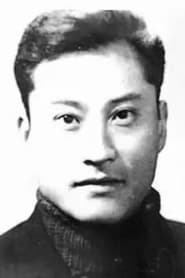
Zhong Shuhuang
Zhong Shuhuang
Wei Yang
Zhong Shuhuang
Wei Yang
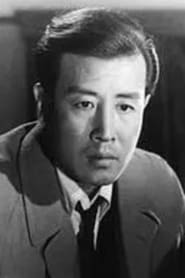
Hong Mu
Hong Mu
Mou-Zhang Can
Hong Mu
Mou-Zhang Can
Wang Shaoqi
Wang Shaoqi
Scout Head
Wang Shaoqi
Scout Head

Mo Chou
Mo Chou
Grandma Chen
Mo Chou
Grandma Chen
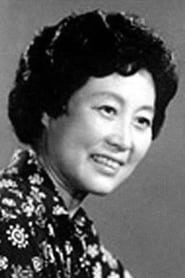
Li Lingjun
Li Lingjun
Si-Jie Liu
Li Lingjun
Si-Jie Liu
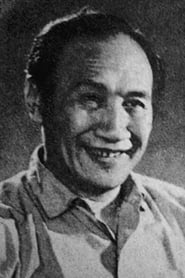
Li Nong
Li Nong
Father Chen
Li Nong
Father Chen
Similar Movies
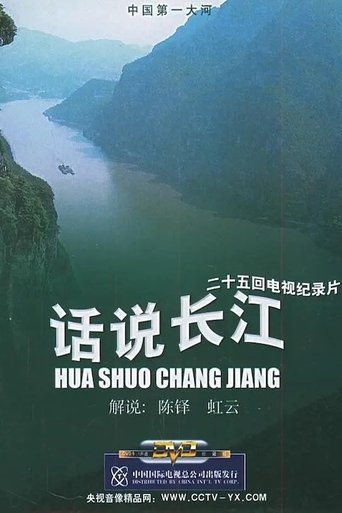
The Yangtze River is the largest river in China. Every Chinese is familiar with the theme song of the film - "Song of the Yangtze River", which was written by children soaked in their mother's milk. He wrote about the inexplicable and unclear love: the Yangtze River is the mother river of the Chinese nation, and the Yangtze River belongs to the Chinese nation. There are countless natural and cultural deposits on the Yangtze River and its banks. Everyone can listen to "Song of the Yangtze River" and follow "Talk about the Yangtze River" to understand its magic and magnificence.
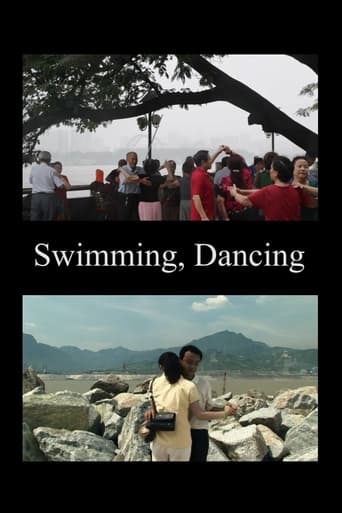
Swimming, Dancing examines audiovisual representations of the Yangtze (1934–present), from silent film to video art to the contemporary vlog. Inspired by the city symphonies of the 1920s, Swimming, Dancing pieces together a “river symphony”, evoking the images, sounds and contradictions that make up the river’s turbulent history.
Explores the plans for the construction of the monumental dam on China's Yangtze River, the structure that when completed in 2009 will become the Three Gorges Dam. It is slated to be 610 feet high, 1.3 miles across, creating a reservoir 400 miles and the largest power plant in the world.
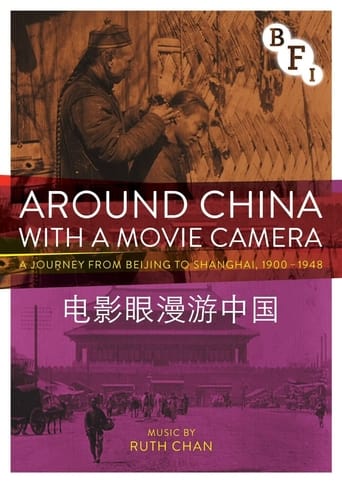
A new film compiled from the BFI National Archive's unparalleled holdings of early films of China, features films from 1900-48 filmed across China. The cinematic journey of Around China with a Movie Camera contains many films which may never have been seen in China, or at the very least not for over 70 years. These travelogues, newsreels and home movies were made by a diverse group of British and French filmmakers, some professionals, but mainly enthusiastic amateurs, including intrepid tourists, colonial-era expatriates and Christian missionaries.
In March 1997, a teaching and research team led by Professor Zhuang Kongshao came to the Tujia area along the middle reaches of the Yangtze River to conduct anthropological research, with the aim of establishing a link between anthropological academic knowledge and field studies, as well as finding valuable research points to achieve the possibility of interdisciplinary collaborative research. "Field Study Along the Yangtze River" is a synchronous film and television work based on this survey. Now re-edited and transferred to today's university classroom, it is intended to facilitate anthropology students who are preparing to enter the field study phase, and by watching this film, it will trigger them to think about the opportunity of academic docking between theory and research sites, and further transition them into their own fieldwork thinking.
The construction of the Three Gorges Dam will force nearly a million people on both sides of the river to relocate from their villages. This film follows several local families as they face the fate of leaving their villages, complaining about being forced to leave their ancestral homeland, resigning themselves to the situation, and reluctantly reacting.