


The Gypsies of Svinia
Documentary
Overview
Moved by a sense of outrage, David Scheffel, a Canadian anthropologist, is determined to help the impoverished Roma (Gypsies) rebuild their community in the eastern Slovakian village of Svinia. So-called “white” Svinia is a picturesque, typical Slovak village with well-kept homes, gardens, a store and a school. Some 300 metres past the last home is “black” Svinia, where the Roma live in squalid tenement blocks and one-room huts of sticks and mud-with no clean water or sewage facilities and with little hope of employment. Many Svinians, whose homes and gardens are regularly burglarized by the desperate Roma, have lost all patience and sympathy. Throughout Eastern Europe, the painful transition from communism to democracy has relegated the Roma to the farthest, most grotesque margins of society. The Gypsies of Svinia is a testament to the firm resolve of Scheffel and the Roma to make things better.


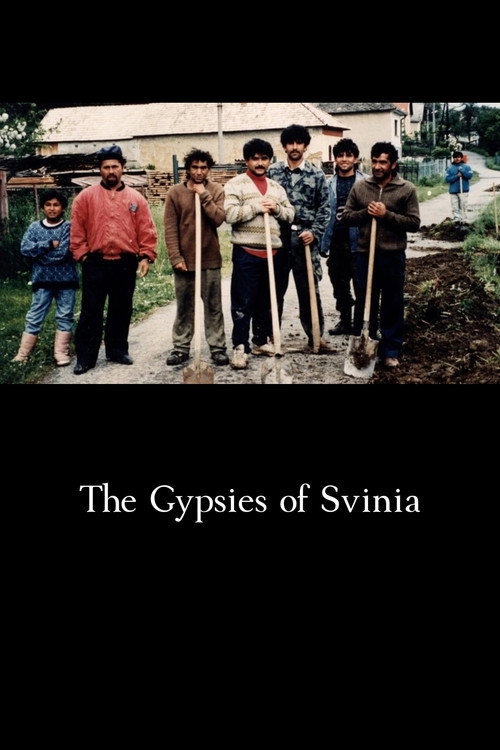
No cast information.
Similar Movies
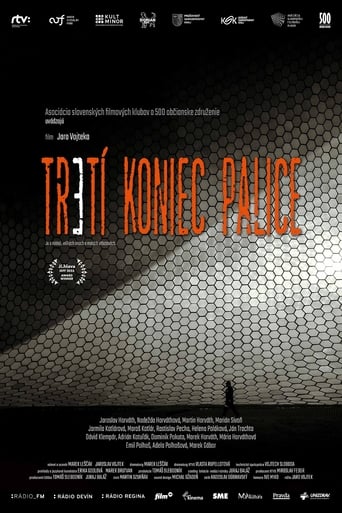
Otherness in otherness. What does it mean to be different in a community that is itself excluded from society? The documentary follows the fate of Roma who have become a minority in a minority society. Roma gays and transvestite search for their living space and dream of working abroad. A legless father of five longs for a wheelchair. A Roma grandmother sacrifices her life for the health of her beloved grandson. Will Emil, a Roma man who has found faith in God, be able to save his son from alcohol? Four stories from the poorest Roma settlements in Slovakia aim to break down prejudices between the Roma community and the white majority.
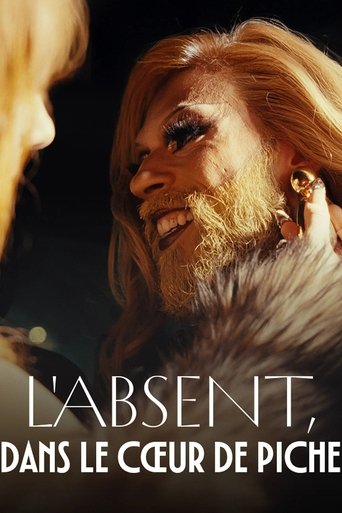
Piche, a bearded drag queen and rapper from a Gypsy community in Arles, rises from the rupture of her father cutting ties in adolescence to the 2024 Olympic opening ceremony. With her mother Nadia and twin brother Morgan by her side, she dares to defy norms and becomes a leading voice of the queer revolution.
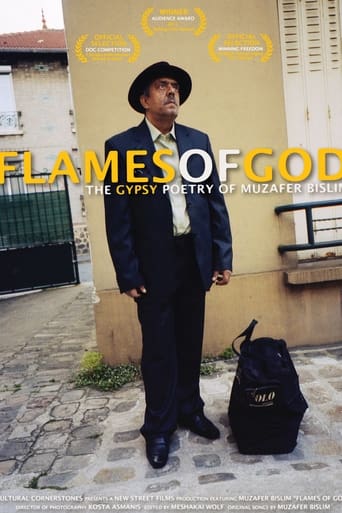
Muzafer Bislim comes up with some of his most insightful songs while sitting on the floor, recording lyrics into a cassette recorder bought at a flea market. A poet and songwriter who collaborates with the biggest names in Romani music, the 54-year old lives a life of modest means with his family in Shutka, Macedonia. Stored in the corner of his one-room house is a tottering, ceiling-high stack of handwritten, 25,000-word, multi-dialect dictionary of the oldest and most obscure words in the Romani language, which he has painstakingly collected over 35 years. When he's invited to the International Biennial of Poets held in Paris, he sees the trip as an opportunity to have his dictionary published. A testament to the endurance of a people who have been scattered across Europe, the dictionary is not only a work of art but also a rare link to a divided past.
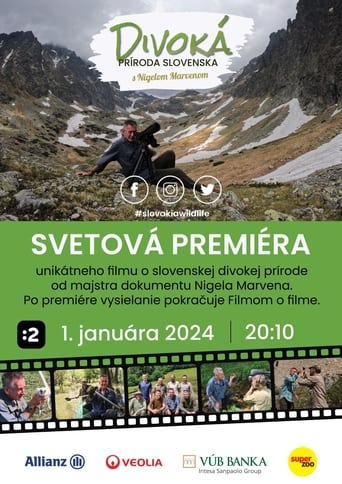
A documentary about the beauty of Slovak nature with world-renowned wildlife popularizer Nigel Marven... Nigel Marven is a British wildlife filmmaker, screenwriter, presenter and adventurer, known worldwide for his unique style, innovative programs and enthusiasm. He worked alongside Sir David Attenborough for 12 years. He has made more than 150 documentaries, visited all continents and conveyed the stories of amazing wild animals to viewers. This time he visited Slovakia to introduce the natural beauty of Slovakia to the whole world in cooperation with our nature filmmakers.

The concept for the film was developed based on sociological research conducted as part of the Youth Subcultures conference in collaboration with the Institute of Sociology of the Slovak Academy of Sciences. The film’s core value lies in its ability to provide an inside look at selected subcultures, achieving an exceptional level of engagement with their members. The filmmakers managed to break through the participants' initial reluctance to openly discuss their experiences. The documentary directly addresses key aspects of these subcultures, including drugs, faith, and personal beliefs. It focuses on six specific groups: the techno scene, graffiti artists, antifascists, religiously oriented youth, skinheads, and young people inspired by Eastern spirituality. The film includes footage from illegal rave parties, graffiti sessions, and other underground activities. Overall, the documentary serves as an insightful map of Bratislava’s contemporary alternative scene.

With the UK’s hardening immigration policy in the background, director Mira Erdevički follows the lives of three Roma: Petr Torák, Denisa Gannon and Ondrej Oláh. Settled in the UK over 20 years ago, the trio still feel attached to their native Slovakia and the Czech Republic. As the country goes into lockdown, they film their lives throughout the Covid pandemic and the aftermath of Brexit.
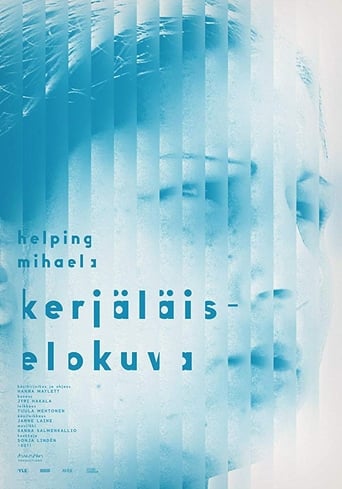
A Roma beggar on his knees raises many extreme emotions: guilt, rage, sympathy and frustration. Most people just walk on by, but there is always someone willing to help. In this film, the director follows the confrontations between the Roma beggars from Romania and Finnish people, and is forced to question, over and over again, her own ideas about helping.

Roma are an important part of Ukraine's population. There are quite a large number of them living in the country—between fifty and one hundred thousand. This documentary shows the peculiarities of the Gypsy people's life in modern society. You will see the stories of five Gypsy barons who will talk about the traditions of their people and reveal some secrets that were previously known only to the Roma.