

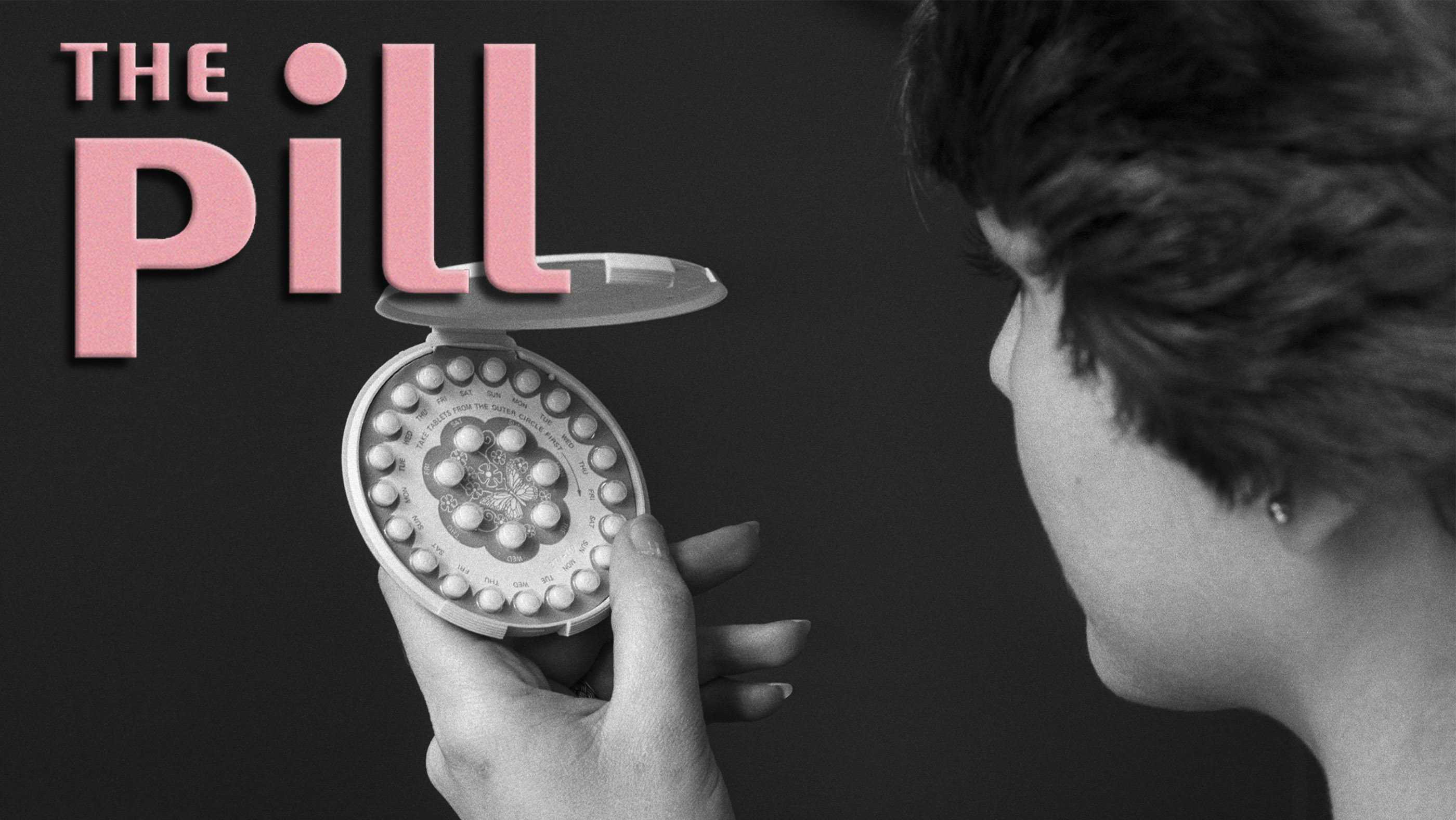
The Pill
Documentary · History
Overview
In May 1960, the FDA approved the sale of a pill that arguably would have a greater impact on American culture than any other drug in the nation's history. For women across the country, the contraceptive pill was liberating: it allowed them to pursue careers, fueled the feminist and pro-choice movements and encouraged more open attitudes towards sex. Among the key players in the development of the drug were two elderly female activists who demanded a contraceptive women could eat like aspirin and then paid for the scientific research; a devout Catholic gynecologist who believed a robust sex life made for a good marriage and argued tirelessly that the Pill was a natural form of birth control; and a brilliant biologist who bullied a pharmaceutical company into risking a possibly crippling boycott to develop this revolutionary contraceptive. In describing the obstacles they all hurdled, The Pill presents a compelling account of a society in transition.




No cast information.
Similar Movies
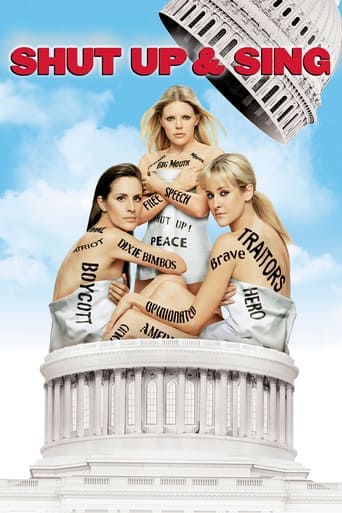
Shut Up and Sing is a documentary about the country band from Texas called the Dixie Chicks and how one tiny comment against President Bush dropped their number one hit off the charts and caused fans to hate them, destroy their CD’s, and protest at their concerts. A film about freedom of speech gone out of control and the three girls lives that were forever changed by a small anti-Bush comment
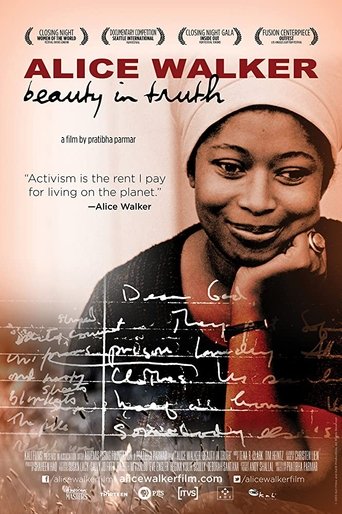
The compelling story of an extraordinary woman's journey from her birth in a paper thin shack in the cotton fields of Georgia to her recognition as a key writer of the twentieth Century.Walker made history as the first black woman to win a Pulitzer Prize for her groundbreaking novel, The Color Purple.
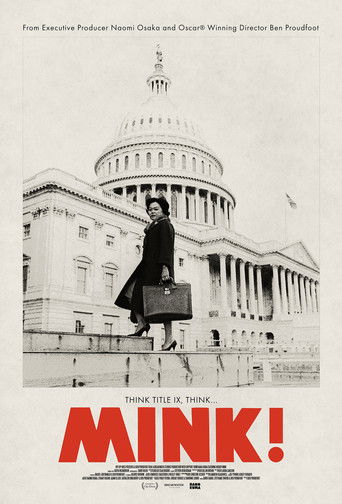
Told by her daughter Wendy, MINK! chronicles the remarkable Patsy Takemoto Mink, a Japanese American from Hawai'i who became the first woman of color elected to the U.S. Congress, on her harrowing mission to co-author and defend Title IX, the law that transformed athletics for generations in America for girls and women.
"I especially hope to inspire young women, because I often feel like so much emphasis is put on how beautiful you are, and how thin you are, and not a lot of emphasis is put on what you can do and how smart you are. I'd like to change the emphasis of what's important when looking at a woman." Filmed in San Francisco in 2000, Margaret Kilgallen (1967-2001) discusses the female figures she incorporated into many of her paintings and graffiti tags. Loosely based on women she discovered while listening to folk records, watching buck dance videos, or reading about the history of swimming, Kilgallen painted her heroines to inspire others and to change how society looks at women. Three of Kilgallen's heroines—Matokie Slaughter, Algia Mae Hinton, and Fanny Durack—are shown and heard through archival recordings. Kilgallen is shown tagging train cars with her husband, artist Barry McGee, in a Bay Area rail yard and painting in her studio at UC Berkeley (source: Art21).
All the legendary women of rock 'n' roll are brought together in this stunning collage of artists and their music. Through a music-driven mix of rare historical footage, music videos, riveting live performances and personal interviews, the lives and times of the greatest women in rock history are revealed.
Widerstandsmomente (Moments of Resistance) carries voices, writings, and objects from the anti-Nazi resistance into the present. Politically engaged women of today respond to historical resistance and make links to current events. A line is drawn from what was before and what is today to what might be: a society based on solidarity without discrimination or exclusion.
A group of young women from Ouagadougou study at a girl school to become auto mechanics. The classmates become their port of safety, joy and sisterhood, all while they are going through the life changing transition into becoming adults in a country boiling with political changes. In a country with youth unemployment at 52 percent, jobs are a hot issue. The young girls at a mechanics school in Burkina Faso’s capital Ouagadougou are right in the middle of a crucial point in life when their dreams, hopes and courage are confronted with opinions, fears and society’s expectations of what a woman should be. Using interesting narrative solutions, Theresa Traore Dahlberg depicts their last school years and at the same time succeeds in showing the country’s violent past and present. This is a feature-film debut and coming-of-age film with much warmth, laughs, heartbreak and depth.
In 1949, philosopher and novelist Simone de Beauvoir wrote the groundbreaking The Second Sex, launching a disruptive discourse on women’s oppression and second-class citizenship. This film dissects the origins and relevance of this bible of feminism, charting de Beauvoir’s fact-finding journey across the US to research her book. The timely and fascinating film honors de Beauvoir’s brilliance and limitations, connecting her revolutionary ideas to the pressing issues women face today.