


The Last Split Second
Documentary
Overview
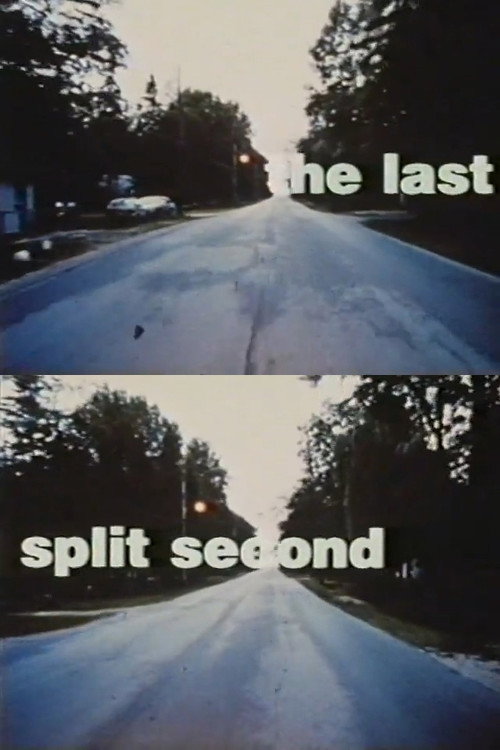
A car crash is replayed as a victim's narration shifts from disbelief to pain. Colourization and motion-controlled footage suggest the feeling of tunnel vision induced by shock. Optical printing, film chemistry, digital effects and computer animation are layered to evoke the perceptions and technological mediations of trauma.



No cast information.
Similar Movies
This film is like a person standing naked in the middle of a square, covered in wounds, holding up a sign that says “Free Hug.” Many people come to embrace him, and he embraces many in return. Yet this does not mean that those who embrace him are unscarred—it is only that they are clothed. — Director Zhang Yu
For the past ten years, Jürgen Henn has filmed over-height trucks crashing into the 11foot8 train bridge affectionately nicknamed the "Can Opener." In that time, millions have viewed the crashes online. Regional, national, and international news organizations have dined out on the story and the goofy crash reels. But why do motorists continue to crash despite the many warnings, sensors, and signs? And what is it about these crashes that holds our attention? In this piece, we look for the humanity in human error.
Since the renewed Intifada began in 2000, there have been over 75 Palestinian suicide bombings. This is the story of 0ne-the bombing of bus 32 in Jerusalem in June 2002. The film connects the stories of a group of ordinary Israelis-Jews and Arabs. Each of them holds a clue to someone who died that day.

OBAIDA, a short film by Matthew Cassel, explores a Palestinian child’s experience of Israeli military arrest. Each year, some 700 Palestinian children undergo military detention in a system where ill-treatment is widespread and institutionalized. For these young detainees, few rights are guaranteed, even on paper. After release, the experience of detention continues to shape and mark former child prisoners’ path forward.
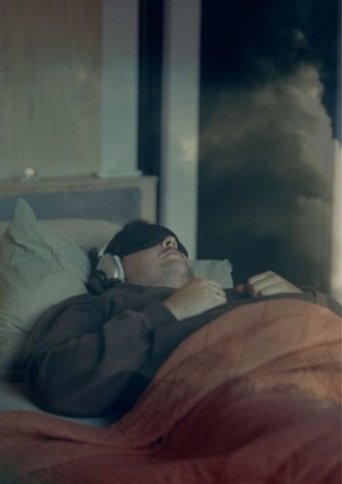
Alex works for the Dutch Railways (NS) and suffers from severe PTSD, having witnessed 36 suicides on the railway. Fimme is a former drug addict and struggles with an eating disorder. Both have searched for years for relief from their psychological suffering without success. Now they are turning their hopes to psychedelic therapy. In a vulnerable quest, they are trying to regain control of their lives through this method.
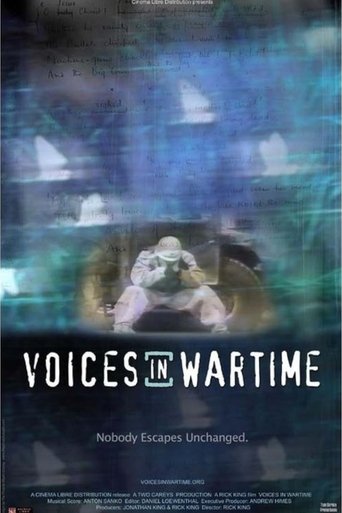
Voices in Wartime is a 2004 documentary that explores the human experience of war through poetry. Combining interviews with soldiers, journalists, and historians, it reveals how war affects individuals and societies across time and place. The film features poets from around the world – from Homer and Wilfred Owen to Shoda Shinoe and modern writers in Iraq and Nigeria – showing how poetry expresses the pain, trauma, and truth of conflict. By linking verse with real-life accounts, Voices in Wartime highlights how poetry helps us understand the emotional and moral impact of war.
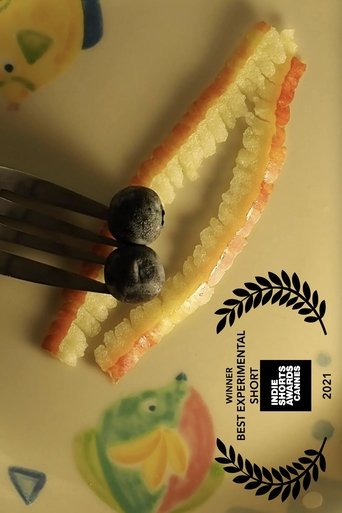
An eighteen-step scavenger hunt for people loneliest in their own homes. This animated video collage serves as a survival guide and an ode to the imaginations that protect us. Statement from Daniel Lobb, the Director: Our performance is first and foremost a resource for people who are isolated in unsupportive homes. It presents self-preservation strategies to those who rely on media and imagination to withstand in potentially abusive environments. The composition is based on the writer, Lexie Bean, growing up as queer, trans, and a survivor of incest in Michigan and Ohio, which we’ve all processed through our respective art forms. These iterations of inspiration and reformation ultimately led us to a video collage and sound-score that seek to buoy the main text: an ode to imagination, a scavenger hunt, a survival guide. Our hope is to bolster the viewer’s capacity for imaginative resilience.

Behind the closed doors of the Copenhagen-based women's shelter, the women and children are slowly recovering after having escaped domestic violence. Day by day the women are processing their traumas, building confidence and slowly understanding what it takes to break the cycle of violence.