

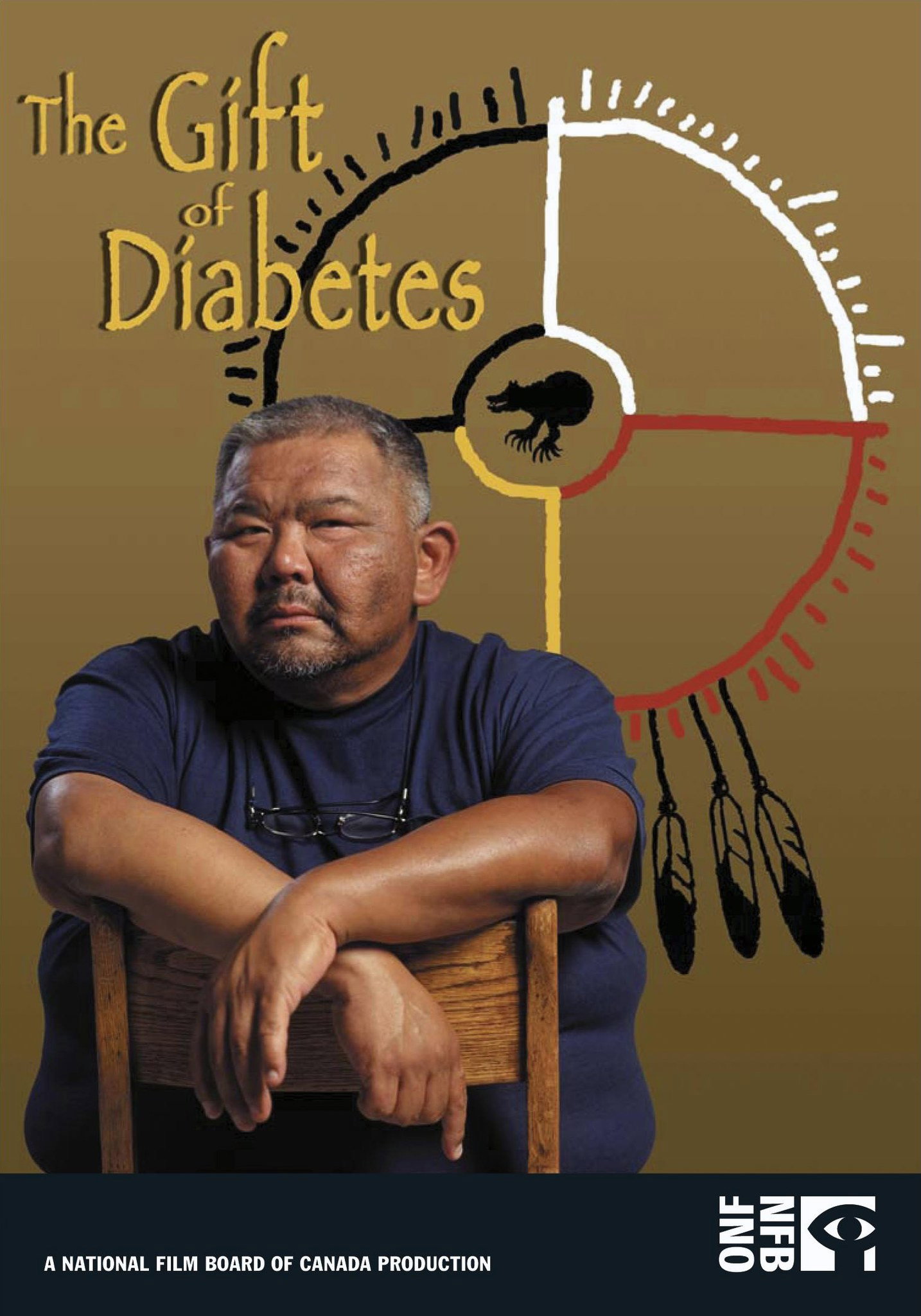
The Gift of Diabetes
Documentary
Overview
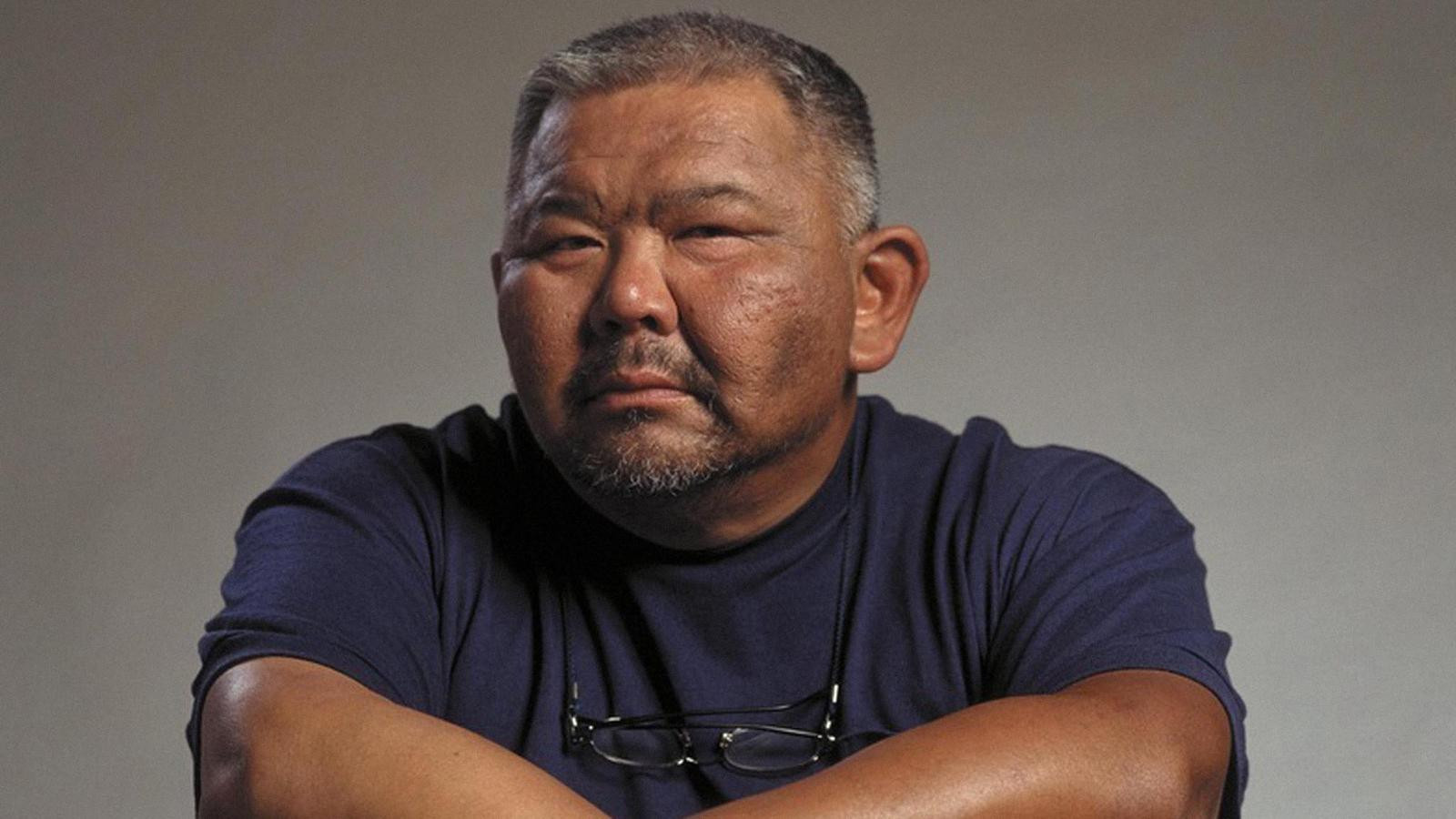
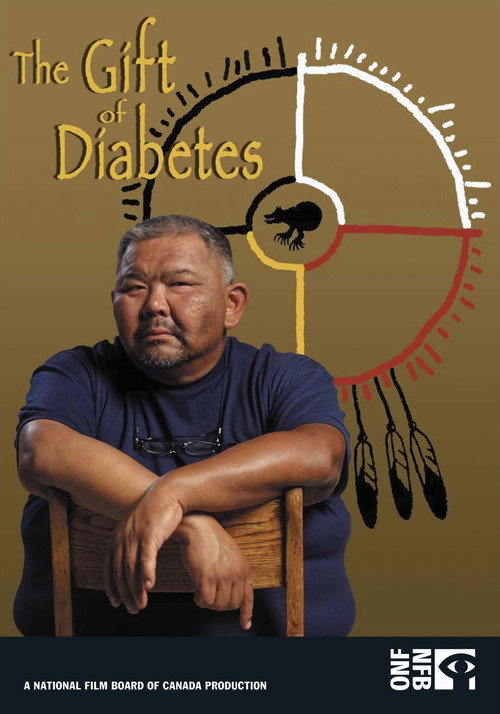
Brion Whitford is an Ojibway filmmaker who lives with the pain of advanced diabetes. As his health worsened, his interest in his own culture grew. The film follows Brion’s struggle to regain his health by learning about the medicine wheel, a holistic tool grounded in Indigenous understanding of the interconnectedness of all dimensions of life. As Brion seeks to get well he explores the historical trauma of colonization and how it continues to affect Indigenous peoples’ physical and psychological well-being.
Top Cast
Brion Whitford
Brion Whitford
Self - Narrator
Brion Whitford
Self - Narrator
Similar Movies
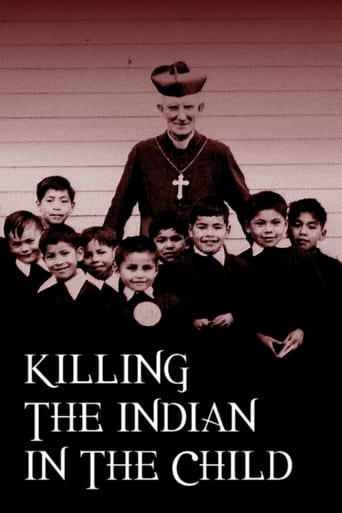
The Indian Act, passed in Canada in 1876, made members of Aboriginal peoples second-class citizens, separated from the white population: nomadic for centuries, they were moved to reservations to control their behavior and resources; and thousands of their youngest members were separated from their families to be Christianized: a cultural genocide that still resonates in Canadian society today.
The world knows the image of the good Canadian. But what if there was a dark secret behind a national identity? THE GOOD CANADIAN exposes the truth behind the idea of a True North strong and free. In this unflinching and eye-opening documentary, directors Leena Minifie and David Paperny move us through the corridors of systemic inequity, from the Indian Act to residential schools, to modern-day family separation. Fusing shocking footage with detailed interviews with experts, advocates, whistleblowers and politicians, THE GOOD CANADIAN challenges national myth-making, while offering Canadians the chance to forge a new identity from the truth.

Renowned as the richest gold strike in North American mining history, the Klondike Gold Rush (1896-1899) set off a stampede of over 100,000 people on a colossal journey from Alaska to the gold fields of Canada's Yukon Territory. Filled with the frontier spirit, prospectors came and gave rise to what was one of the largest cities in Canada at that time - Dawson City. The boomtown, which became known as "the Paris of the North", earned the reputation as a place where lives could be revolutionized. Brought to life with excerpts from the celebrated book The Klondike Stampede - published in 1900 by Harper's Weekly correspondent Tappan Adney - and featuring interviews with award-winning author Charlotte Gray, and historians Terrence Cole and Michael Gates, The Klondike Gold Rush is an incredible story of determination, luck, fortune, and loss. In the end, it isn't all about the gold, but rather the journey to the Klondike itself.
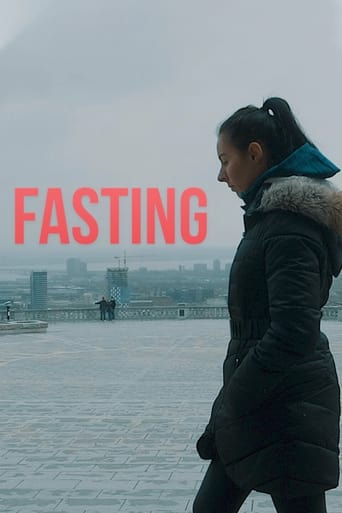
Fasting may serve as the solution to solve our epidemic of chronic illnesses today. However, most think of only one method of fasting when they hear the term ‘fasting.’ This documentary explores 7 different methods of fasting including Time-Restricted Feeding, Intermittent & Prolonged Fasting, Long-Term Water Fasting, Religious Fasting, Eating Disorders, Improvising or Fasting Unsafely, Fasting Mimicking Diet, and Juice Fasting. The film interviews 54 people including the world’s leading scientists and medical professionals on fasting, as well as individuals who used fasting to treat obesity, diabetes, cancer, cardiovascular problems, skin problems, high blood pressure, chronic headaches, joint pain, and many others. This feature motion picture is the most comprehensive and objective look at fasting on film.

In 1921 the Kwakiut'l people of Alert Bay, British Columbia, held their last secret potlatch. In 1980 at Alert Bay, the U'mista Cultural Centre (U'mista means "something of great value that has come back") opened its doors to receive and house the cultural treasures which were seized decades earlier and only then returned to the people. The center also took up activities such as recording stories told by elders so that some part of the past would always be alive and teaching children about their heritage in order to make them feel connected to their ancestors. This film documents the cultural significance of these events for today's Kwakiut'l people. It is an eloquent testimony to the persistence and complexity of Kwakiut'l society and to the struggle for redefining cultural identity for them.
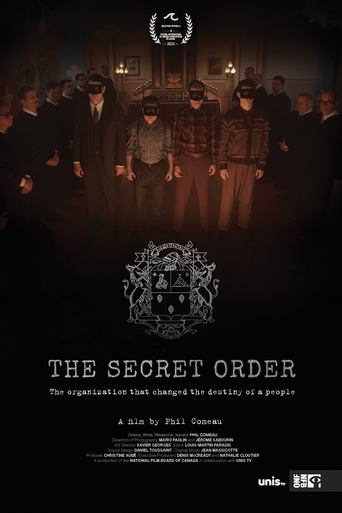
Phil Comeau shines a spotlight on the Ordre de Jacques-Cartier, a powerful secret society that operated from 1926 to 1965, infiltrating every sector of Canadian society and forging the fate of French-language communities. Through never-before-heard testimony from former members of the Order, along with historically accurate dramatic reconstructions, this film paints a gripping portrait of the social and political struggles of Canadian francophone-minority communities.
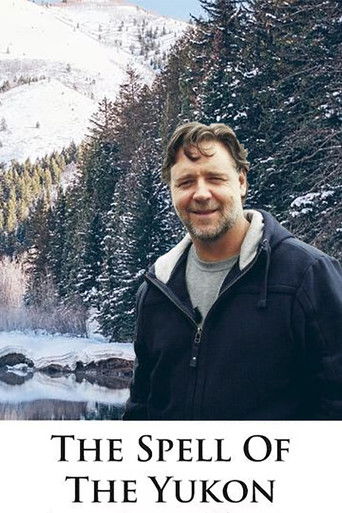
This documentary tells the haunting story of the Klondike Gold Rush in legendary Dawson City. Peppered with Robert Service poems read by New Zealand-born Hollywood actor Russell Crowe, the film recounts how stampedes of fortune seekers came to the Yukon from far and wide in 1897. Less than half of the 100,000 adventurers ever finished the treacherous journey. Archival photographs re-create the saga of the Klondike, including stories from the deadly Chilkoot Pass and Dawson City itself, where fortunes were made and lost overnight. With a personal stake and a sense of wonder, filmmaker Rita Roy discovers a territory still vibrant with legends, and miners still panning for gold under the spell of the harsh yet stunning wilderness.