

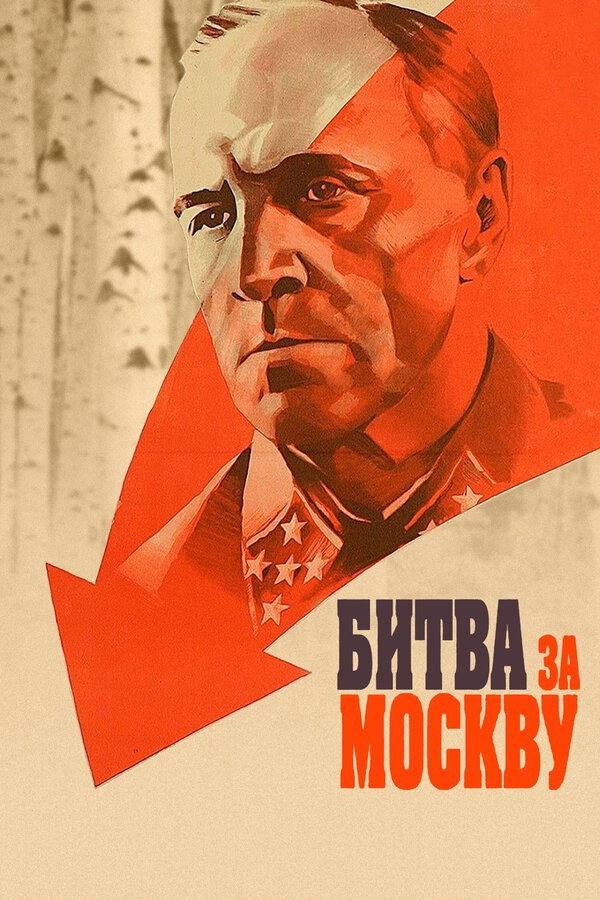
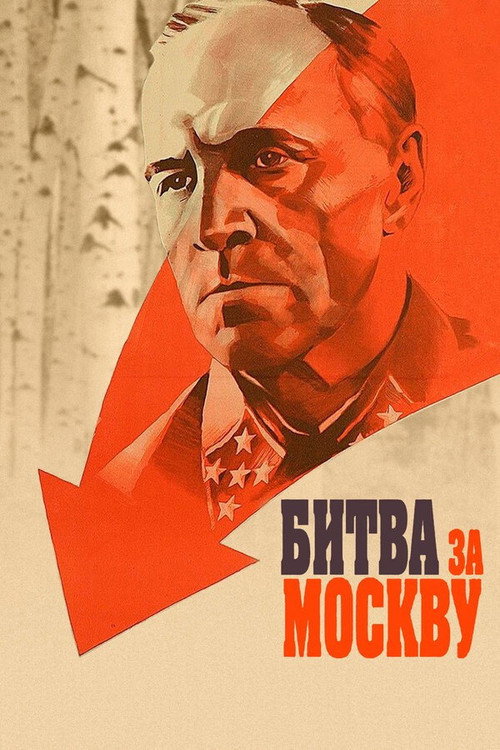
Battle for Moscow
War · History · Drama
Overview
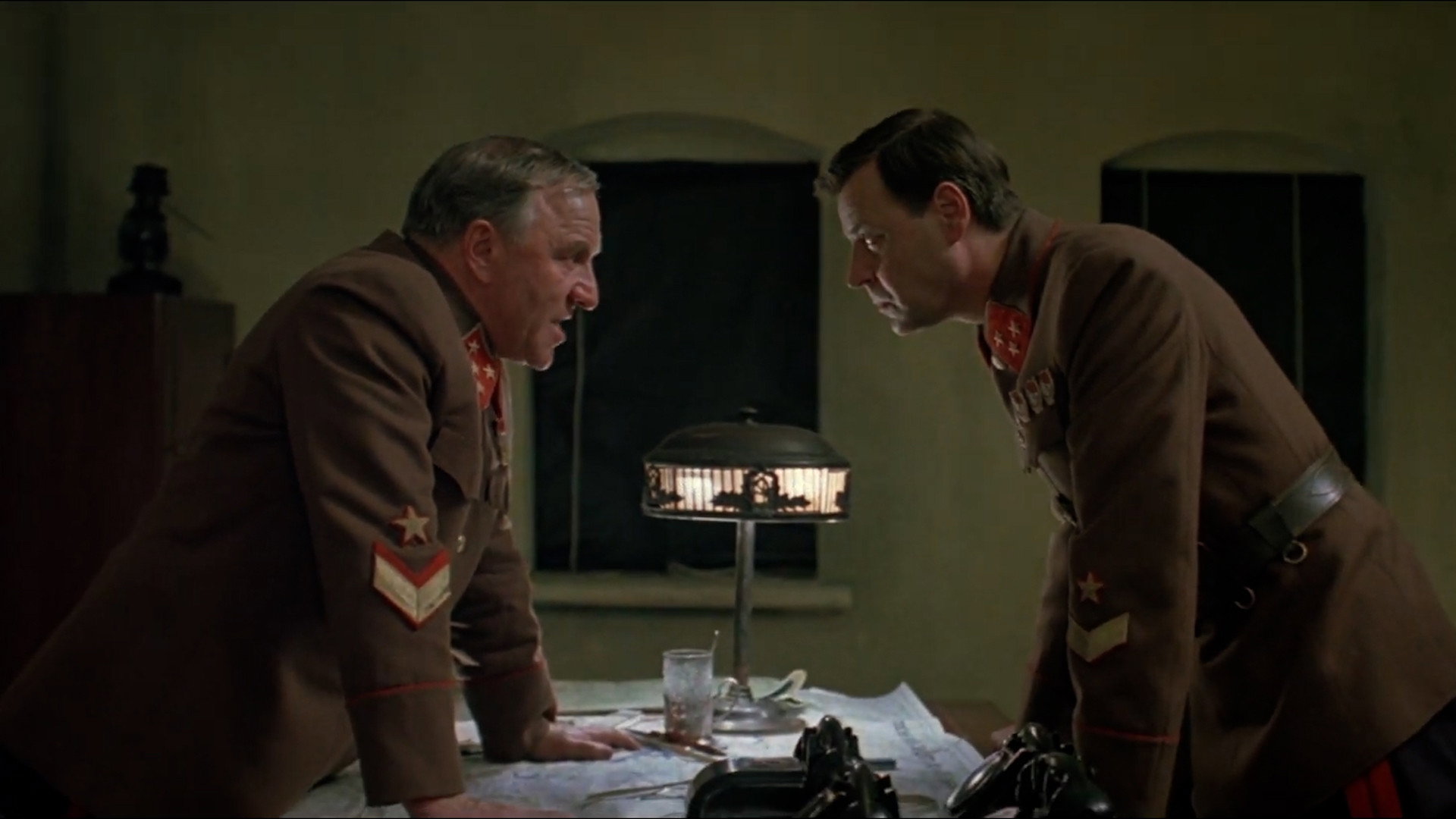
The Battle of Moscow is a 1985 Soviet multi-part war narrative, presenting a dramatized account of the 1941 Battle of Moscow and the events preceding it. The battle was the first major defeat of German Wehrmacht in the Second World War.
Top Cast
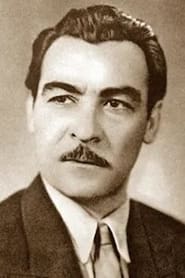
Yakov Tripolsky
Yosif Stalin
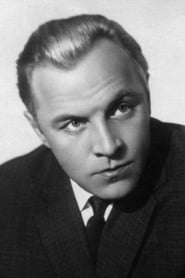
Mikhail Ulyanov
Georgiy Zhukov

Aleksandr Goloborodko
Konstantin Rokossovskiy
Vitali Rosstalnoy
Semyon Timoshenko
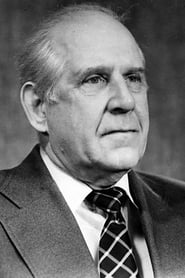
Bruno Frejndlikh
Boris Shaposhnikov
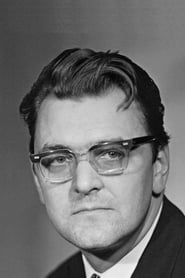
Yuriy Yakovlev
Leonid Petrovskiy
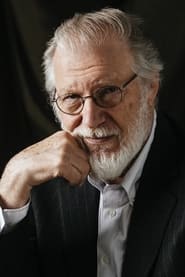
Juozas Budraitis
Richard Sorge
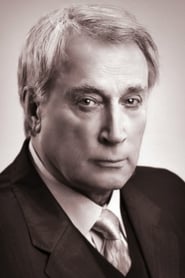
Valeri Yurchenko
Nikolay Popel

Romualds Ancans
Pyotr Gavrilov
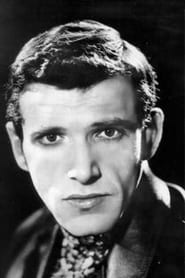
Emmanuil Vitorgan
Efim Fomin

Irina Shmeleva
Zoya Kosmodemyanskaya
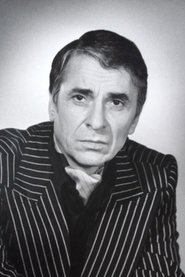
Kostiantyn Stepankov
Ivan Panfilov




Yakov Tripolsky
Yakov Tripolsky
Yosif Stalin
Yakov Tripolsky
Yosif Stalin
Mikhail Ulyanov
Mikhail Ulyanov
Georgiy Zhukov
Mikhail Ulyanov
Georgiy Zhukov
Aleksandr Goloborodko
Aleksandr Goloborodko
Konstantin Rokossovskiy
Aleksandr Goloborodko
Konstantin Rokossovskiy
Vitali Rosstalnoy
Vitali Rosstalnoy
Semyon Timoshenko
Vitali Rosstalnoy
Semyon Timoshenko
Bruno Frejndlikh
Bruno Frejndlikh
Boris Shaposhnikov
Bruno Frejndlikh
Boris Shaposhnikov
Yuriy Yakovlev
Yuriy Yakovlev
Leonid Petrovskiy
Yuriy Yakovlev
Leonid Petrovskiy
Juozas Budraitis
Juozas Budraitis
Richard Sorge
Juozas Budraitis
Richard Sorge
Valeri Yurchenko
Valeri Yurchenko
Nikolay Popel
Valeri Yurchenko
Nikolay Popel
Romualds Ancans
Romualds Ancans
Pyotr Gavrilov
Romualds Ancans
Pyotr Gavrilov
Emmanuil Vitorgan
Emmanuil Vitorgan
Efim Fomin
Emmanuil Vitorgan
Efim Fomin
Similar Movies
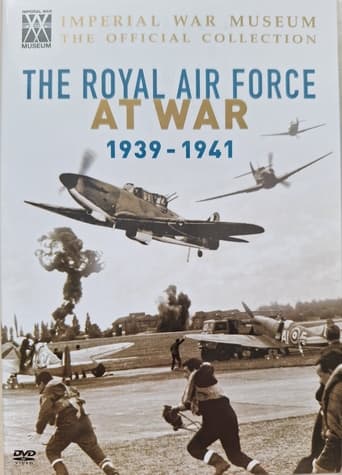
Compiled from the Imperial War Museum Official Collection, this film collects rare and previously unseen film material shot by official cameramen on behalf of the RAF before the formation of the RAF Film Production Unit in September 1941. It tells the story of the RAF in the early years of the Second World War through the "phoney war", the Blitzkfreig and the Battle of Britain, capturing everyday life for those who served as wel as the RAF's frontline aircraft of the period. Other highlights include a fillmed account of a Blenheim raid on Northern France, a Sunderland flying boat sortie over Norway and Winston Churchill inspecting the new American aircraft for the RADF including the B-17, Douglas Boston and P-40.

Six Māori Battalion soldiers camped in Italian ruins wait for night to fall. In the silence, the bros-in-arms distract themselves with jokes. A tohu (sign) brings them back to reality, and they gather to say a karakia before returning to the fray. Director Taika Waititi describes the soldiers as young men with "a special bond, strengthened by their character, their culture and each other.