

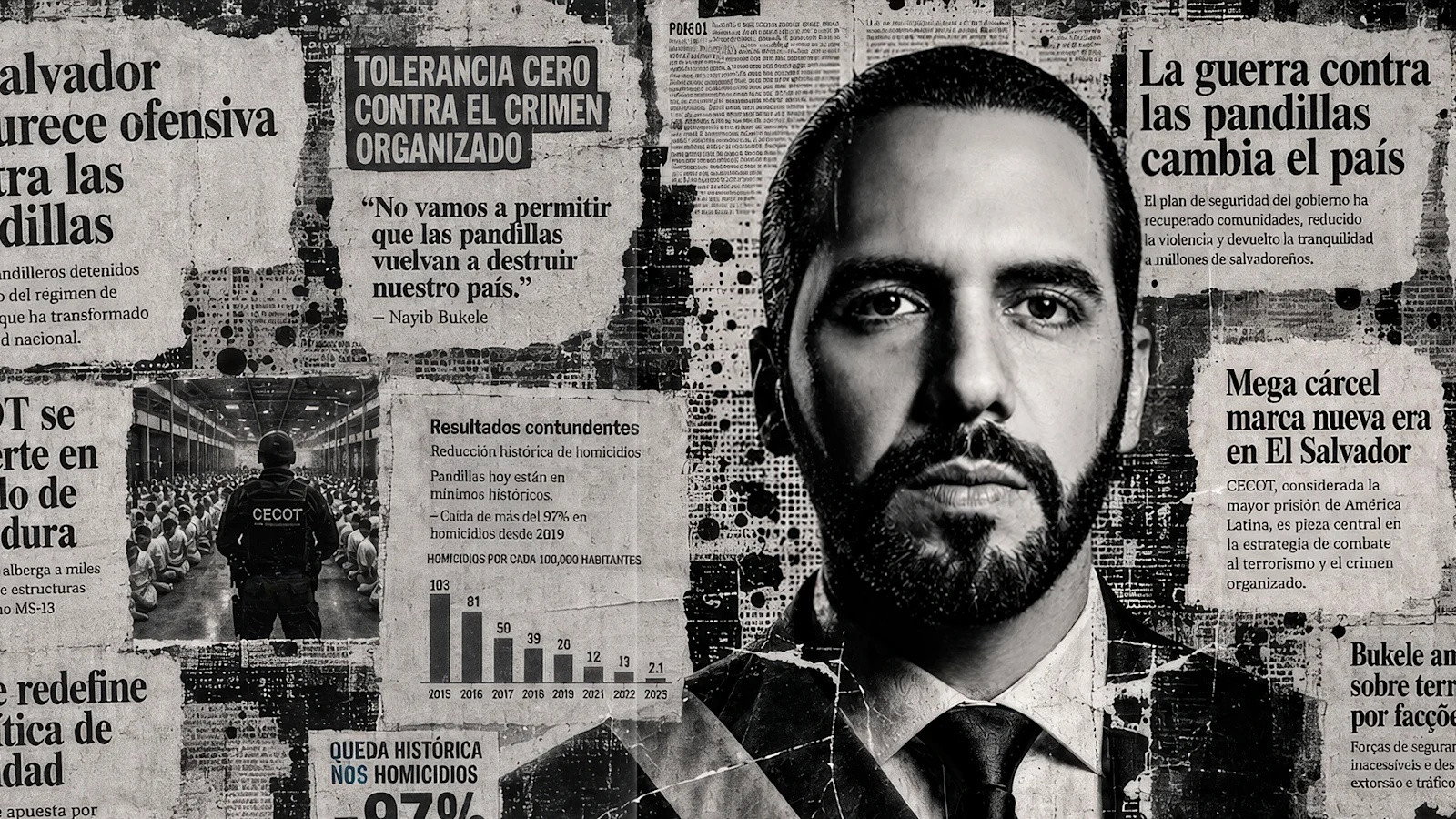
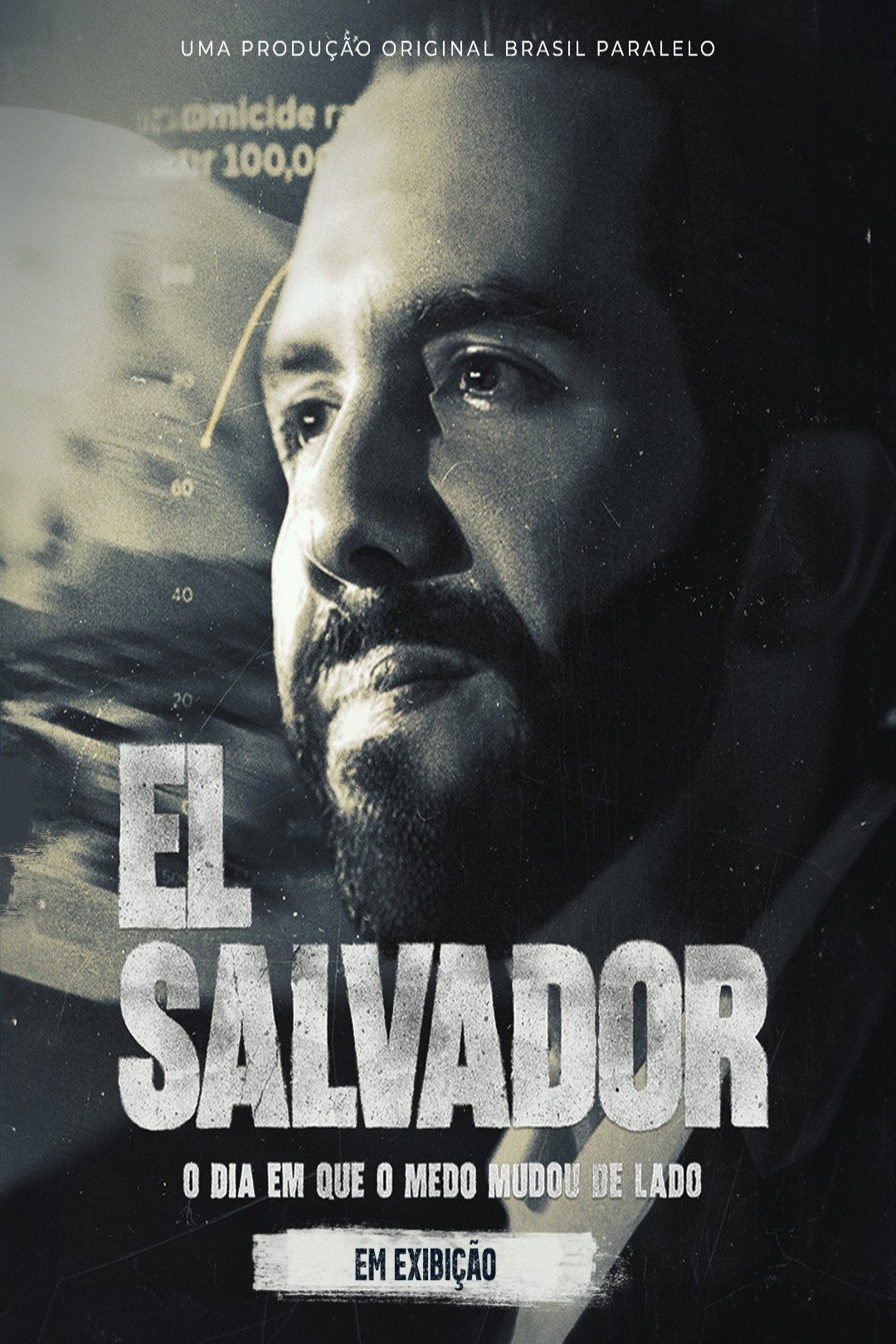
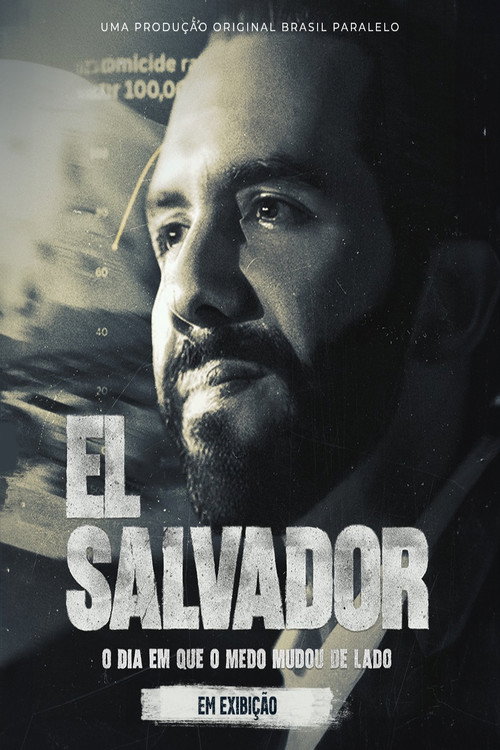
El Salvador: O Dia em que o Medo Mudou de Lado
Documentary
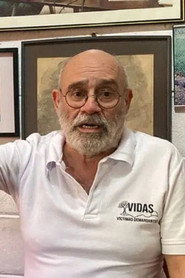
Benjamin Cuellar
Benjamin Cuellar
Entrevistado
Benjamin Cuellar
Entrevistado
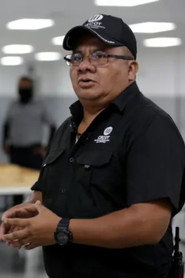
Belarmino García
Belarmino García
Entrevistado
Belarmino García
Entrevistado
Christian Guevara
Christian Guevara
Entrevistado
Christian Guevara
Entrevistado
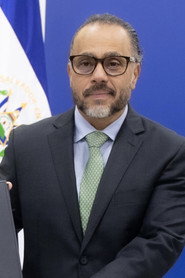
Ernesto Castro
Ernesto Castro
Entrevistado
Ernesto Castro
Entrevistado

Marcela Villatoro
Marcela Villatoro
Entrevistado
Marcela Villatoro
Entrevistado
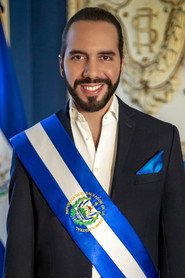
Nayib Bukele
Nayib Bukele
Self (archive footage)
Nayib Bukele
Self (archive footage)
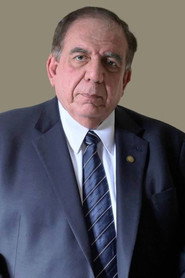
Armando Bukele Kattán
Armando Bukele Kattán
Self (archive footage)
Armando Bukele Kattán
Self (archive footage)
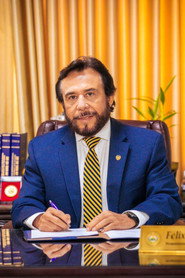
Felix Ulloa
Felix Ulloa
Entrevistado
Felix Ulloa
Entrevistado
Similar Movies

It is El Salvador, 1989, three years before the end of a brutal civil war that took 75,000 lives. Maria Serrano, wife, mother, and guerrilla leader is on the front lines of the battle for her people and her country. With unprecedented access to FMLN guerrilla camps, the filmmakers dramatically chronicle Maria's daily life in the war.
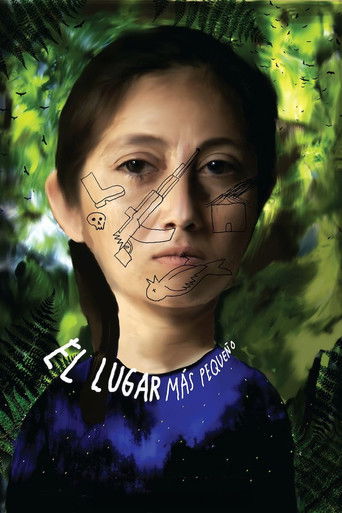
Years after the Salvadoran military destroyed the village of Cinquera in that country’s civil war, survivors have returned to rebuild their community. Soulful, beautifully rendered, this amazing debut is an evocative testament to place, memory and the power of life to rebound from tragedy.
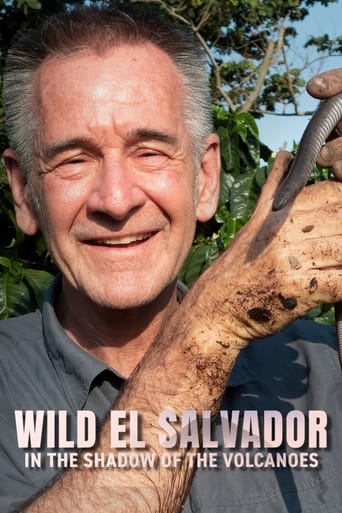
Join affable presenter Nigel Marven as he explores El Salvador, the volatile land of volcanoes with a colorful culture and natural history. Follow along as he climbs an active volcano near the capital San Salvador, comes face-to-face with a crocodile, cuddles a caecilian, fights fire with fire, dives deep into a volcanic lake, and discovers the Pompeii of Central America.
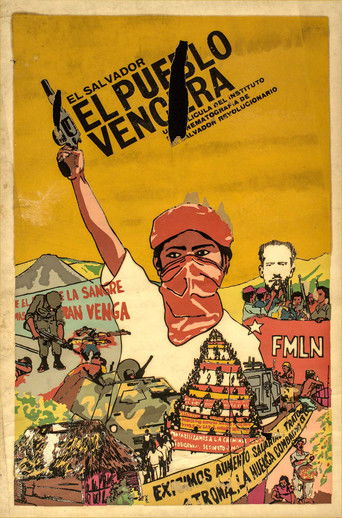
The battle of El Salvador and its revolutionary history, from the time of the Spanish conquest and colonization, to the insurgency of the 80s, approached by a Puerto Rican filmmaker immersed in the conflict. Depicts a host of F.M.L.N. guerrillas marching forth from Monte Alzaco, the spiritual home of Salvadoran resistance.
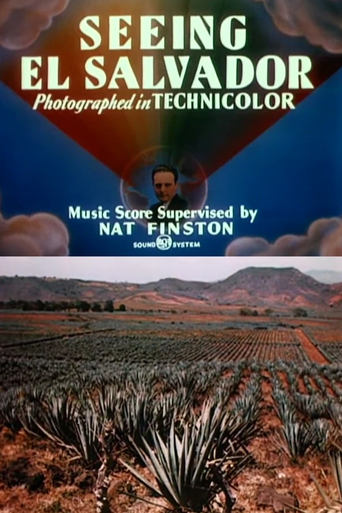
This Traveltalk series short starts in San Salvador, El Salvador's capital, emphasizing the Spanish architectural heritage. We then go to the Izalco Volcano, which was created in 1770 by an eruption of the Santa Ana Volcano. The focus then shifts to the country's agriculture. The two main products are coffee and henequen, a plant with tough, fibrous leaves used to make rope, baskets, and other products.

In the early 1980s, at the beginning of what would become a 12-year-long civil war, El Salvador's talented football team was one national institution upon which both the left and the right could agree. When the team pulled off a stunning 1-0 upset against Mexico and qualified to compete in the 1982 World Cup, it was a high point for the tiny country's national pride. Unfortunately, the team's Cinderella story devolved into a nightmarish farce.
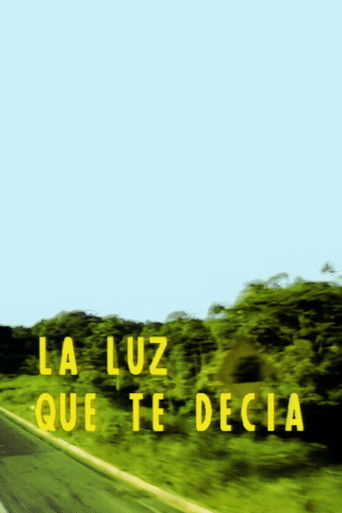
Filmed during the Salvadoran civil war, La luz que te decía documents the struggles of the country’s labor and trade union movement amid escalating political violence. Through strike footage, congress meetings, marches, and first-person testimonies, the film portrays a society marked by state repression, workers’ mobilization, and efforts to build national and international solidarity. The documentary pays particular attention to the strike of the National Water Authority workers (ANDA), featuring members of the SETA union who describe the causes of the protest, the repression they faced, and the survival strategies adopted during the conflict. Testimonies from other unions, grassroots organizations, and international labor groups broaden the film’s perspective beyond a single labor dispute.