

La luz que te decía
Documentary
Overview
Filmed during the Salvadoran civil war, La luz que te decía documents the struggles of the country’s labor and trade union movement amid escalating political violence. Through strike footage, congress meetings, marches, and first-person testimonies, the film portrays a society marked by state repression, workers’ mobilization, and efforts to build national and international solidarity. The documentary pays particular attention to the strike of the National Water Authority workers (ANDA), featuring members of the SETA union who describe the causes of the protest, the repression they faced, and the survival strategies adopted during the conflict. Testimonies from other unions, grassroots organizations, and international labor groups broaden the film’s perspective beyond a single labor dispute.

José Napoleón Duarte
José Napoleón Duarte
Self
José Napoleón Duarte
Self
Héctor Recinos
Héctor Recinos
Self
Héctor Recinos
Self
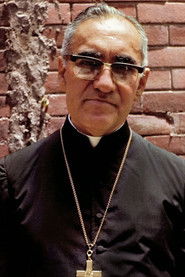
Óscar Arnulfo Romero
Óscar Arnulfo Romero
Self
Óscar Arnulfo Romero
Self
Similar Movies

It is El Salvador, 1989, three years before the end of a brutal civil war that took 75,000 lives. Maria Serrano, wife, mother, and guerrilla leader is on the front lines of the battle for her people and her country. With unprecedented access to FMLN guerrilla camps, the filmmakers dramatically chronicle Maria's daily life in the war.

Alex Jones interviews Walter Burien, commodity trading adviser (CTA) of 15 years about the biggest game in town. There are over 85,000 federal and regional governmental institutions: school districts, water and power authorities, county and city governments – and they own over 70 percent of the stock market.
Years after the Salvadoran military destroyed the village of Cinquera in that country’s civil war, survivors have returned to rebuild their community. Soulful, beautifully rendered, this amazing debut is an evocative testament to place, memory and the power of life to rebound from tragedy.

Through the testimony of Manuel Taborda, a pioneer of labor organizing in Venezuela’s oil fields, this documentary revisits the experiences of oil workers between 1920 and 1936. Their memories reveal a world marked by corporal punishment, exploitation, racial segregation, and disease, alongside the emergence of collective resistance against the American and British oil companies that controlled the industry and the government that enabled them.
Join affable presenter Nigel Marven as he explores El Salvador, the volatile land of volcanoes with a colorful culture and natural history. Follow along as he climbs an active volcano near the capital San Salvador, comes face-to-face with a crocodile, cuddles a caecilian, fights fire with fire, dives deep into a volcanic lake, and discovers the Pompeii of Central America.
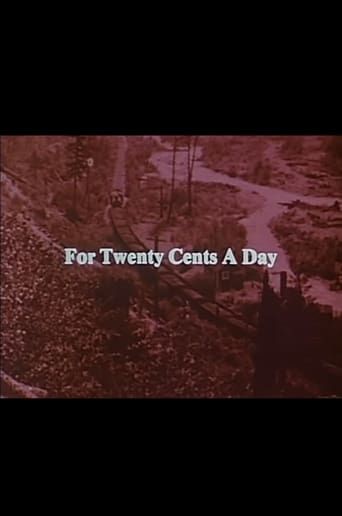
A film documenting work shortages during the Depression of the 1930s and the attempts to deal with the unemployed, in particular young men. The film discusses the establishment of relief camps and projects, where men were paid twenty cents per day; the founding of organizations such as the Co-operative Commonwealth Federation (CCF), Workers' Unity League, and Relief Camp Workers' Union; general unionization and protest of the unemployed, including the On To Ottawa Trek, Regina Riot, sit-in strike from May to June 1938 at the Vancouver Main Post Office, Vancouver Art Gallery and Hotel Georgia, and the resulting Bloody Sunday of June 19.
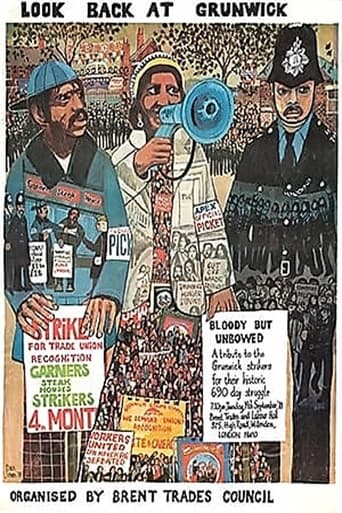
A RECORD OF THE STRIKE AT GRUNWICK IN 1977. The story of the continuing struggle at Grunwick’s by mainly Indian workers, from July 11th, 1977 until the struggle was lost. It shows the Special Patrol Group attack on the November 7th day of action, how the leadership of the struggle was taken out of the hands of the strike committee, how some of the strike leaders were disciplined by their own union for going on hunger strike outside the TUC in protest at the TUC’s inactivity, and how the post office workers were forced by their union to end their blacking of Grunwick mail. It also shows the beginnings of the similar struggle by immigrant workers at Garner’s Steak Houses in London.