

A Brave Engineer: Buster Keaton's Last Ride
Documentary
Overview
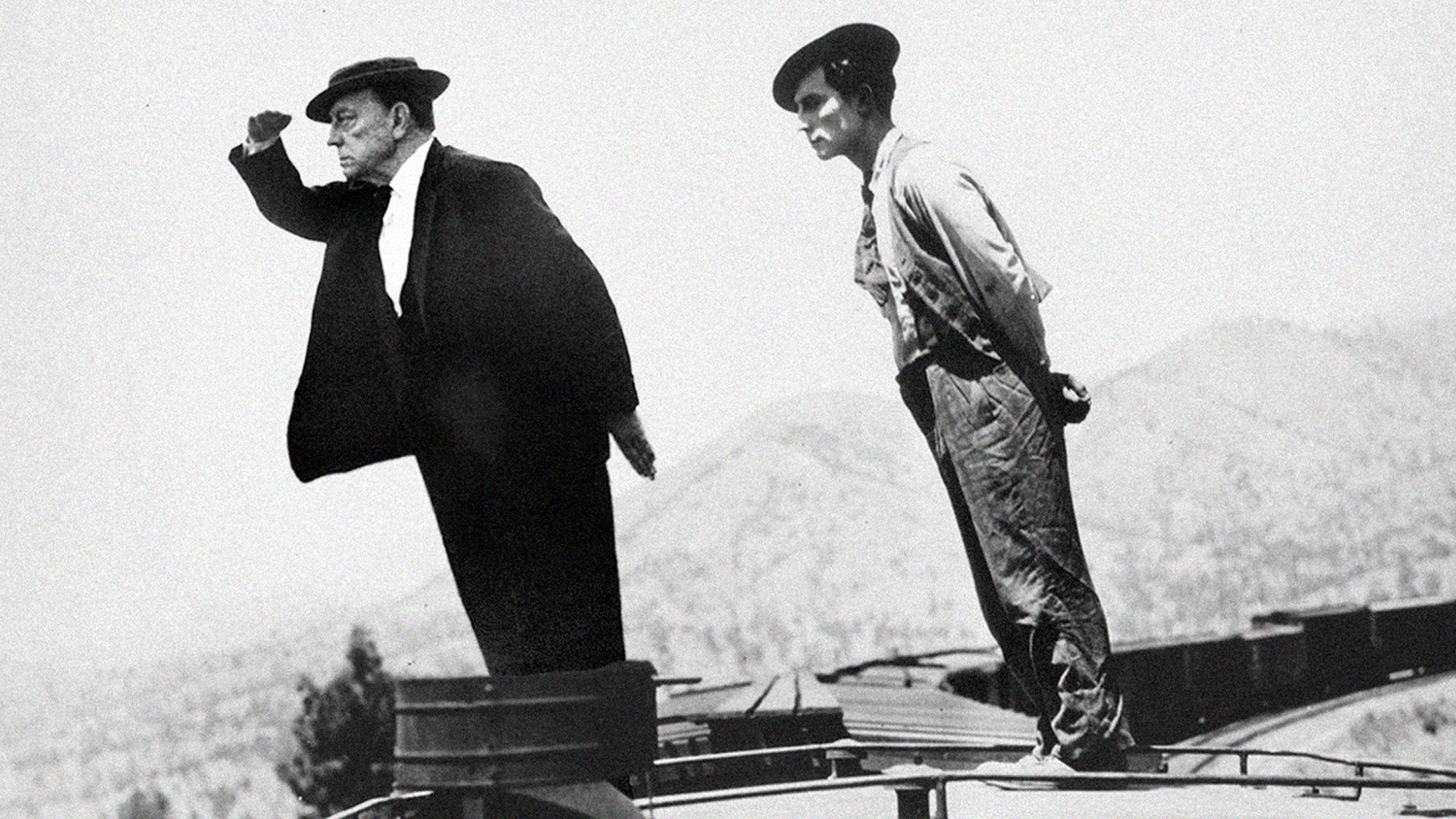
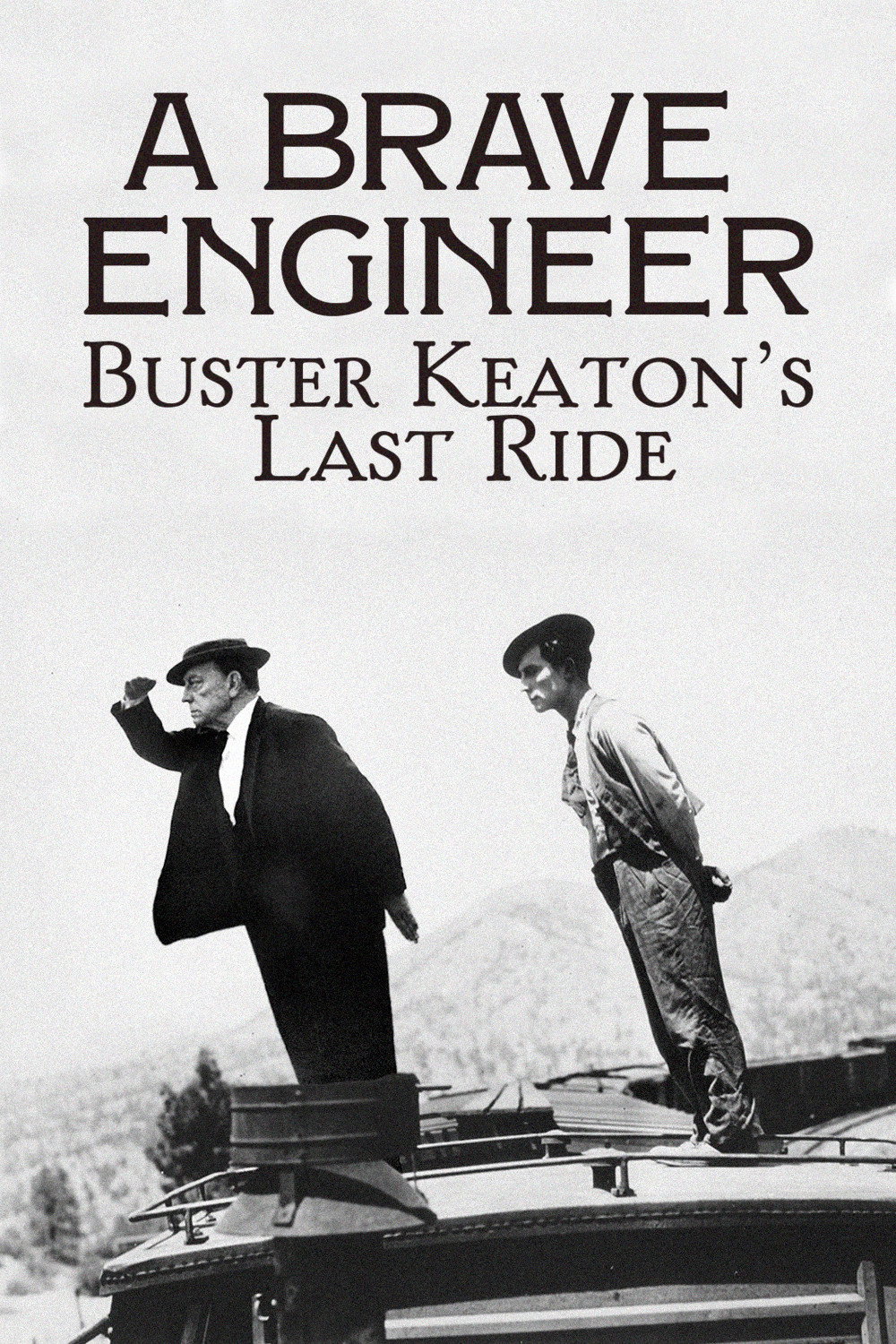
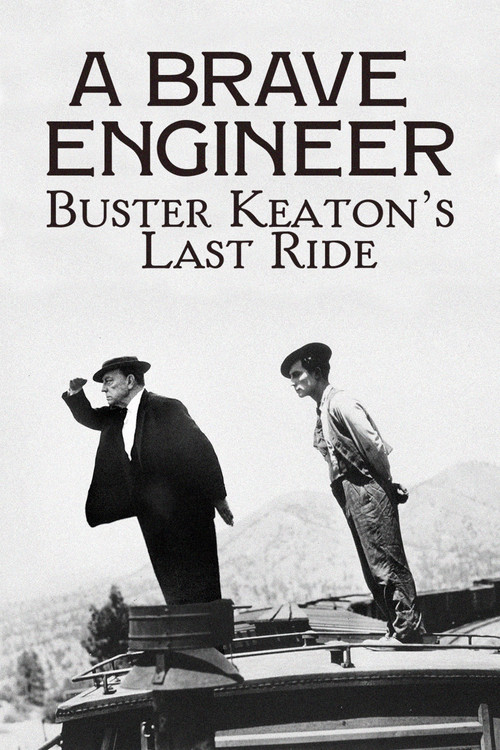
From 1920 to 1965, the great Buster Keaton made spectacular use of locomotives in his films. This video essay charts the course of his iconic cinematic career across the many tracks he rode along on screen: as a young man in the surge of his silent movie ascent in Our Hospitality, while making his masterpiece The General, and traversing the width of Canada on a railway speeder car as an old man in The Railrodder.



Buster Keaton
Buster Keaton
Self (Archival)
Buster Keaton
Self (Archival)
Roscoe Arbuckle
Roscoe Arbuckle
Self (Archival)
Roscoe Arbuckle
Self (Archival)

Marion Mack
Marion Mack
Self (Archival)
Marion Mack
Self (Archival)
Sybil Seely
Sybil Seely
Self (Archival)
Sybil Seely
Self (Archival)
Joe Keaton
Joe Keaton
Self (Archival)
Joe Keaton
Self (Archival)
Natalie Talmadge
Natalie Talmadge
Self (Archival)
Natalie Talmadge
Self (Archival)
Joe Roberts
Joe Roberts
Self (Archival)
Joe Roberts
Self (Archival)
Glen Cavender
Glen Cavender
Self (Archival)
Glen Cavender
Self (Archival)
Red Skelton
Red Skelton
Self (Archival)
Red Skelton
Self (Archival)
Gerald Potterton
Gerald Potterton
Self (Archival)
Gerald Potterton
Self (Archival)
Similar Movies
A day in the city of Berlin, which experienced an industrial boom in the 1920s, and still provides an insight into the living and working conditions at that time. Germany had just recovered a little from the worst consequences of the First World War, the great economic crisis was still a few years away and Hitler was not yet an issue at the time.
A fascinating pictorial document: On an old, cluttered work ship, a man is helped on with a bulky, old fashioned diving suit. It's a complicated process, many layers and sections are carefully applied. He goes over the side. Some men row out to what looks like a wrecked barge and set dynamite. Then the diver returns and now laughs and acknowledges the camera. The other men, now safely away, blow up the barge.
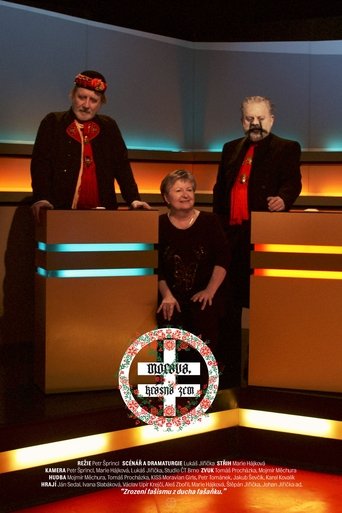
The second part of the endless series about Moravia offers an even darker descent into the soul of Moravia, which is, however, intoxicating like a slightly delirious state after a sip of wine and chewing on a clod of mother earth. A visually distracting journey focused on the undercurrents of Moravian identity, whose echoes even Friedrich Nietzsche would not want to hear...
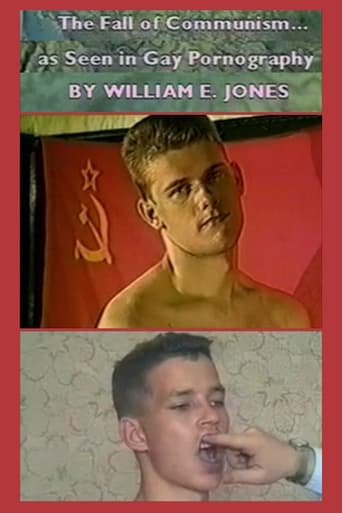
Every image in The Fall of Communism as Seen in Gay Pornography comes from gay erotic videos produced in Eastern Europe since the introduction of capitalism. The video provides a glimpse of young men responding to the pressures of an unfamiliar world, one in which money, power and sex are now connected.
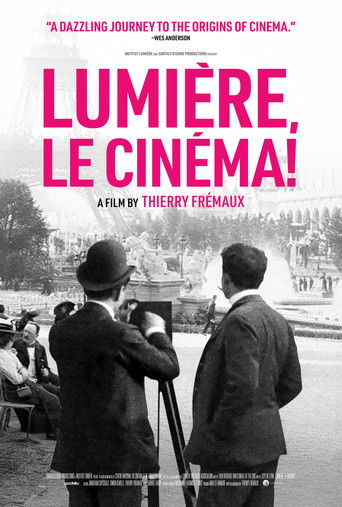
In one of those wonderful coincidences of history, lumière, the French word for “light,” was also the last name of brothers Auguste and Louis, whose brilliant invention, the cinematograph, helped to inaugurate the most beloved art form of the last 130 years. Institute Lumière director Thierry Frémaux uses Lumière, Le Cinema! to guide the viewer through over a hundred shorts—some famous, some forgotten, some never before seen—directed by Lumière and company. In the process, Frémaux illuminates how the brothers employed the camera as a creative instrument as they (and their operators) mastered framing, staging, and subject selection for quotidian and exotic microdocumentaries as well as the first ever fictional motion pictures. The result is not only a glorious re(telling) of the genesis of cinema but a profound meditation on the beautiful world captured—and the mysterious world imagined—by the Lumières.
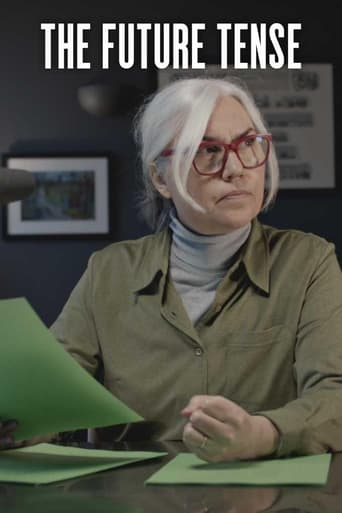
Staged as a series of voiceover sessions, written with gloriously off-balanced precision and dipped in the color green, THE FUTURE TENSE unfolds as a poignant tale of tales, exploring the filmmakers’ own experiences in aging, parenting, mental illness, along with the brutal history that lies submerged beneath Ireland’s heavy, moist earth.