

Peuple de Loire
Documentary · History
Top Cast
Gwenvaël Fretellière
Gwenvaël Fretellière
Voix off
Gwenvaël Fretellière
Voix off
Alex Fagat - Tatus
Alex Fagat - Tatus
himself
Alex Fagat - Tatus
himself
Barbara Réthoré
Barbara Réthoré
himself
Barbara Réthoré
himself
Julien Chapuis
Julien Chapuis
himself
Julien Chapuis
himself
Estelle Rochard
Estelle Rochard
himself
Estelle Rochard
himself
Erwan Balança
Erwan Balança
himself
Erwan Balança
himself
Etienne Davodeau
Etienne Davodeau
himself
Etienne Davodeau
himself
Olive Martin
Olive Martin
himself
Olive Martin
himself
Patrick Bernier
Patrick Bernier
himself
Patrick Bernier
himself
Isabelle Tellier
Isabelle Tellier
himself
Isabelle Tellier
himself
Similar Movies
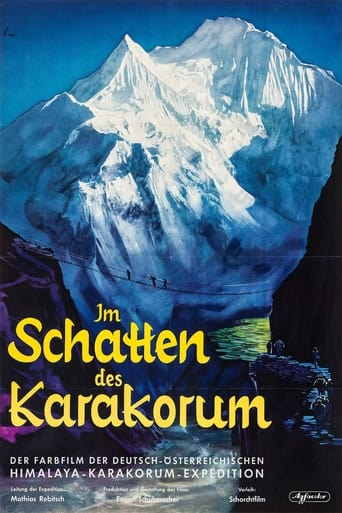
In 1954, a German-Austrian expedition led by Mathias Rebitsch set off for the difficult-to-access Karakoram Mountains, geographically north of the Himalayas. They come across the Hunza, a people who live in the valley of the same name and believe they are descended from the soldiers of Alexander the Great. The documentary conveys impressions of the poor life of the Hunza people, the harvest, a court hearing, festivals and the children's everyday school life. Finally, the expedition sets off again and sets up its main camp on the moraine ridge of a glacier, where they measure the glacier and the earth's magnetic field. Finally, some men from the research community set off for a sub-peak of Batura.
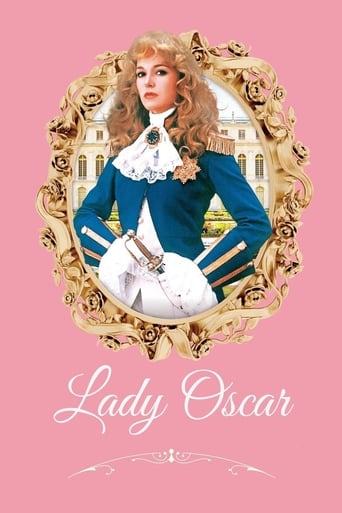
Oscar François de Jarjayes was born female, but her father insisted she be raised as a boy as he had no sons. She becomes the captain of the guards at Versailles under King Louis XVI and Marie Antonette. Her privileged, noble life comes under fire as she discovers the hard life of the poor people of France. She is caught up in the French Revolution, and must choose between her loyalty and love.
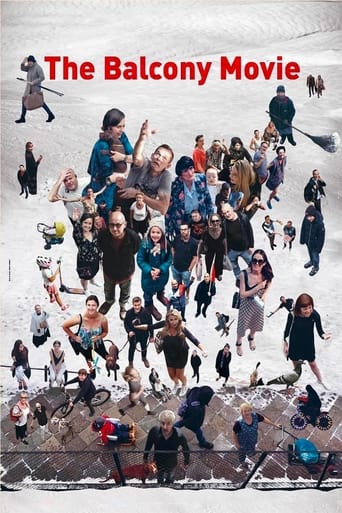
Composed from the conversations that the director holds with people passing by in the street under his Warsaw apartment, each story in 'The Balcony Movie' is unique and deals with the way we try to cope with life as individuals. All together, they create a self-portrait of contemporary human life, and the passers-by present a composite picture of today's world.
Rotterdam 2040 is a film about the city’s future, departing from the principle of Gyz La Rivière that you can’t look ahead without considering your past (something that hasn’t always been Rotterdam’s strongest feature). At high speed, La Rivière reconstructs the history of Rotterdam from the time before the bombings until now, and expands the developments to the year 2040 (100 years after the bombing and the 700th anniversary of the city). La Rivière made a specific choice to expose his personal vision, which is sometimes radical or a little absurd. So no experts and no talking heads, but an assault of old and new imagery, held together by La Rivière as the narrator of the film. Although Rotterdam 2040 deals with architecture and urban renewal, it is actually a film about people. The subjective experience of the city by its (future) occupants mainly determines the parade of architectural blunders and suggestions for the future. All tongue-in-cheek of course.
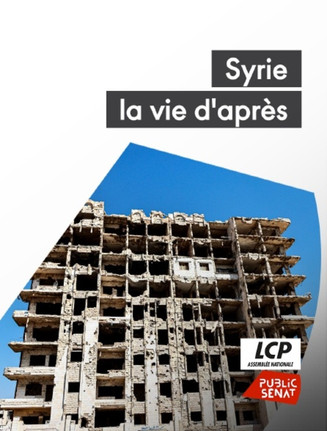
After twelve years in exile, Syrian journalist and filmmaker Daham Alasaad returns to Homs, devastated by the war in Syria. Once the city of his childhood, it is now a relic of an authoritarian regime, where different communities (Sunnis, Christians, Alawites) are trying to rebuild their lives together after terrible years of division and destruction. Thanks to Daham Alasaad's close relationship with the city's inhabitants, the director highlights some very moving characters, torn between grief, fear, the need for justice, and the desire for peace and reconciliation. By opening up naturally to the camera, they allow viewers to experience what Syrians of all backgrounds are going through today. "Homs-Syria, Life After" is a personal and political investigation into the ability of this symbolic city to rebuild hope on the ruins of a Syria ravaged by more than fifteen years of war and facing an uncertain future.
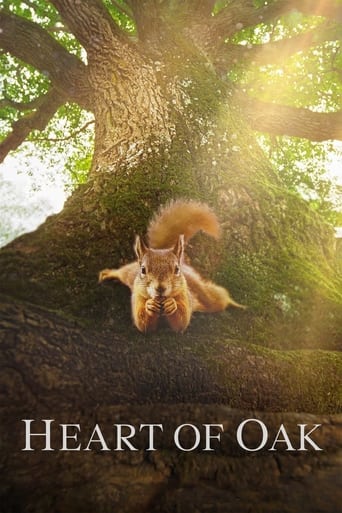
Once upon a time, there was a pedunculate oak (Quercus robur), born in 1810, 210 years old and a pillar in its kingdom. This spectacular adventure features an extraordinary cast: squirrels, barnacles, jays, ants, field mice... This vibrant, whirring, marvelous little world seals its destiny around the majestic tree that welcomes them, feeds them and protects them from its roots to its crown. A poetic ode to life, in which nature alone expresses itself.
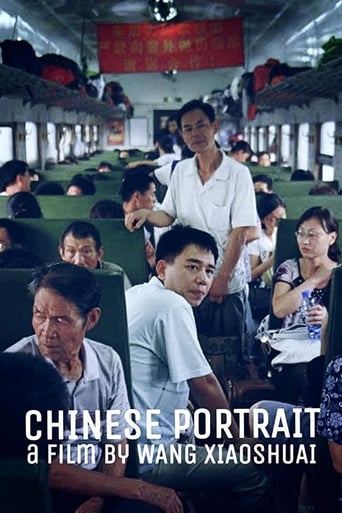
Shot over the course of ten years on both film and video, the film consists of a series of carefully composed tableaux of people and environments. Pedestrians shuffle across a bustling Beijing street, steelworkers linger outside a deserted factory, tourists laugh and scamper across a crowded beach, worshippers kneel to pray in a remote village. With a painterly eye for composition, Wang captures China as he sees it, calling to a temporary halt a land in a constant state of change.
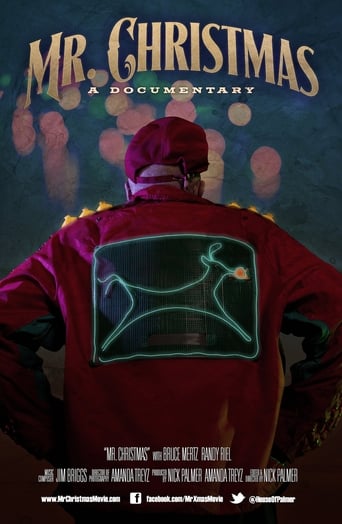
Every Christmas, Bruce Mertz lights up the neighborhood with the 50,000 lights covering his house. For decades he's obsessively added to his display, creating beautiful, towering fixtures that people travel across the country to see. In this offbeat, touching portrait, we learn what drives him, and discover how a kid who grew up on a farm with no electricity became Mr. Christmas.