


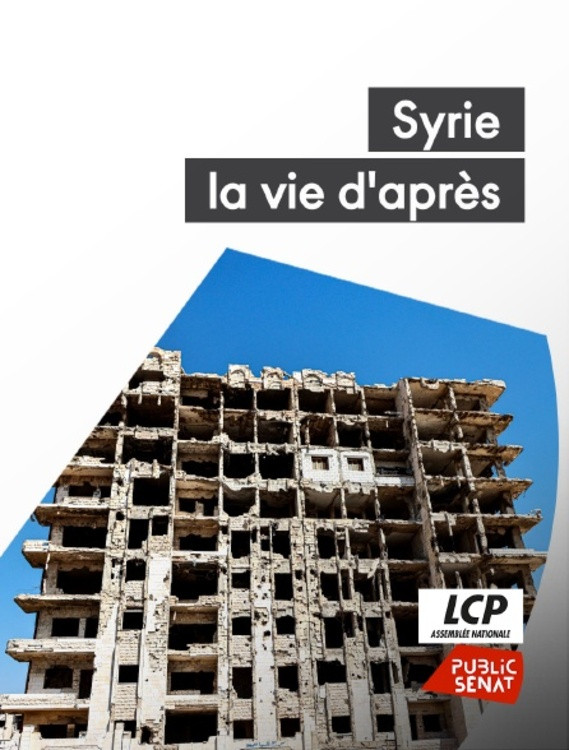
Homs - Syrie, la vie d’après
Documentary · History · War
Overview
After twelve years in exile, Syrian journalist and filmmaker Daham Alasaad returns to Homs, devastated by the war in Syria. Once the city of his childhood, it is now a relic of an authoritarian regime, where different communities (Sunnis, Christians, Alawites) are trying to rebuild their lives together after terrible years of division and destruction. Thanks to Daham Alasaad's close relationship with the city's inhabitants, the director highlights some very moving characters, torn between grief, fear, the need for justice, and the desire for peace and reconciliation. By opening up naturally to the camera, they allow viewers to experience what Syrians of all backgrounds are going through today. "Homs-Syria, Life After" is a personal and political investigation into the ability of this symbolic city to rebuild hope on the ruins of a Syria ravaged by more than fifteen years of war and facing an uncertain future.




No cast information.
Similar Movies
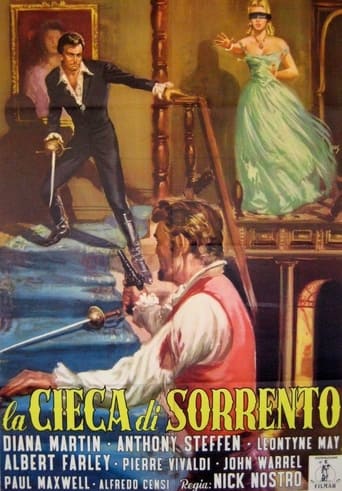
La Cieca Di Sorrento (also known as Revenge of the Black Knight is a 1963 cloak and dagger film directed by Nick Nostro and based on the novel of the same name by Francesco Mastriani. Masked knights fight the cruel Tyrant Amedeo, tutor of the beautiful, rich and blind orphan Isabella. The knights are led by a young doctor who in the end will defeat Isabella's evil oppressor, give her her sight and marry her.
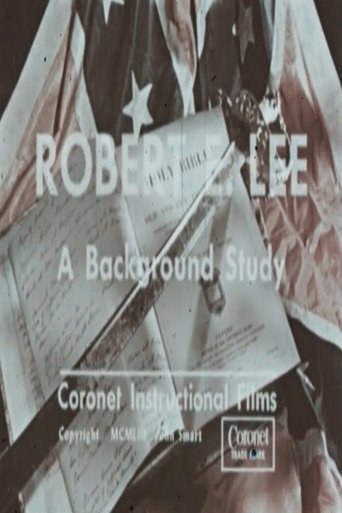
Robert E. Lee, born in Virginia in 1807, was deeply influenced by his Southern heritage and the legacy of his family, particularly his father, who served in the American Revolution. Raised by his mother, Lee learned values of self-control and integrity. He graduated second in his class from the United States Military Academy and had a distinguished military career, serving the Union before the Civil War. Despite his opposition to secession, he chose to lead the Confederate Army when Virginia seceded. Lee's military strategies were notable, achieving significant victories, yet he faced ultimate defeat at Gettysburg. After the war, he became president of Washington College, promoting peace and reconciliation while embodying principles of integrity and duty.
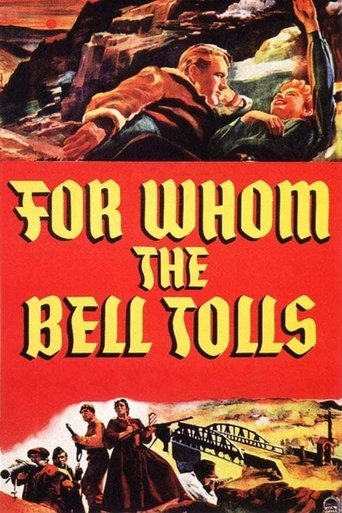
Spain in the 1930s is the place to be for a man of action like Robert Jordan. There is a civil war going on and Jordan—who has joined up on the side that appeals most to idealists of that era—has been given a high-risk assignment up in the mountains. He awaits the right time to blow up a crucial bridge in order to halt the enemy's progress.
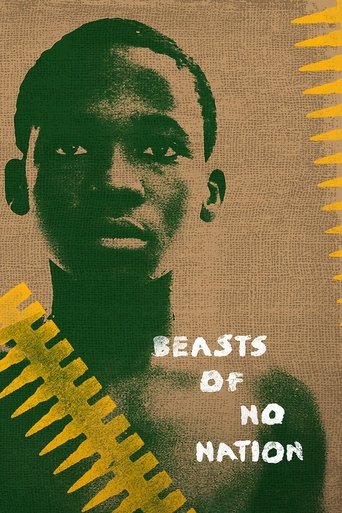
Based on the experiences of Agu, a child fighting in the civil war of a West African country. Follows Agu's journey as he's forced to join a group of soldiers. While he fears his commander and many of the men around him, his fledgling childhood has been brutally shattered by the war raging through his country, and he is at first torn between conflicting revulsion and fascination.
An old man recounts: I have always worn glasses. Even in the camp, I managed to keep them. We feared the night almost as much as the day. One night, they brought in a newcomer, a bearded man. His drawings over the days had become essential to us. The guards did not understand that only death would prevent him from drawing. All that remains of the camp is this piece of wall, with his last drawing, which he called "Ligne de vie (Lifeline)."