

Right to be Flawed
Overview
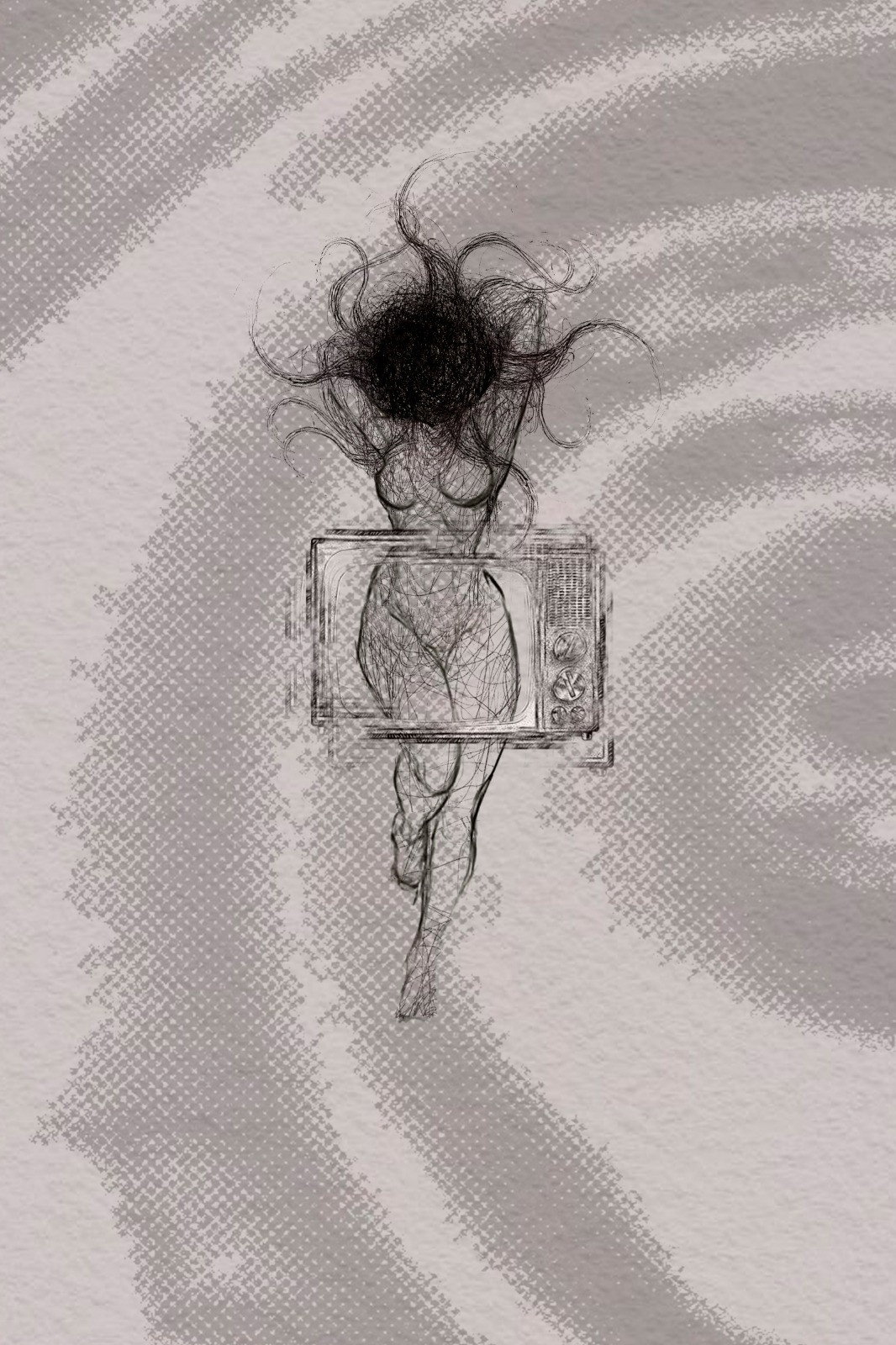
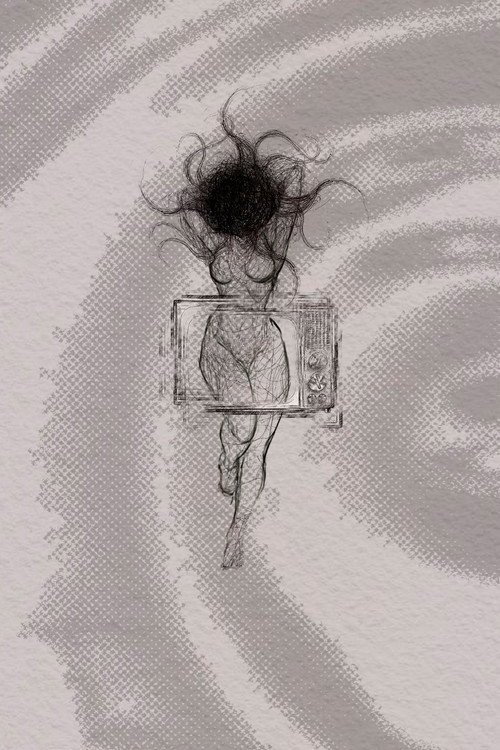
The film, grounded in the photo series titled "Right to be Flawed"—published on a-part.online, the official publishing platform of the Kadıköy-based aesthetic-modernist art collective apart Art Association—is a short videographic essay that aims, through a practice-based experiment, to test French thinker-sociologist Jean Baudrillard’s theory of simulation, the imperfection–perfection dichotomy within that theory, and the implications of this dichotomy in the context of art and image regimes.
Top Cast



Hazal Naz Kılınç
Hazal Naz Kılınç
Voice
Hazal Naz Kılınç
Voice
Similar Movies

Rhythmic and raw, Dark City Beneath The Beat is a Baltimore club musical experience highlighting local Baltimore club artists, djs, dancers and producers pioneering the sound while rising above social and economic turmoil. Inspired by an original Baltimore club music soundtrack, Dark City Beneath The Beat showcases Baltimore club music as a positive subculture in a city overshadowed by trauma, drugs and violence.
A man fondles objects, looks at himself in the mirror, poses in different clothes, smiles and makes faces at the camera while his voice on the soundtrack speaks of his despair, makes impressionistic statements and little songs, quotes Greta Garbo and Maria Montez, tells the story of a lonely little boy and tells the story of a woman named Madame Nescience who dreams of herself as the Mother Superior of a convent of sexual perversion.

Santamaria and Urtigo are two bandits on the run, one is white, the other black. Santamaria is a mystical visionary and believes in the imminent coming of a purifying angel. Urtiga, his inseparable companion, is a simple-minded and ingenious man who follows Santamaria around and participates in the crimes he commits. The two bandits take over a house after kidnapping its owner and his girlfriend.
Collected as part of the Fluxfilm Anthology (a multi-reel compendium of 37 short films assembled by Fluxus founder and central operator George Maciunas), One captures the lifespan of a single match recorded at 2,000 frames per second using a 16mm high-speed camera. The frame rate is then decelerated to the standard 24fps for presentation. The film emphasizes each gesture, sway and flare of flame as the small pinewood carrier ignites across the landscape of the filmstrip and screen, signalling the drama and poetics of this ”minor” event before the fire is extinguished. One also stands as an unassuming beacon, immortalizing on film the essence of some of Ono’s early concerns as an artist. At the slightest touch of fire, they burst into flame. Strike everywhere. Strike often.
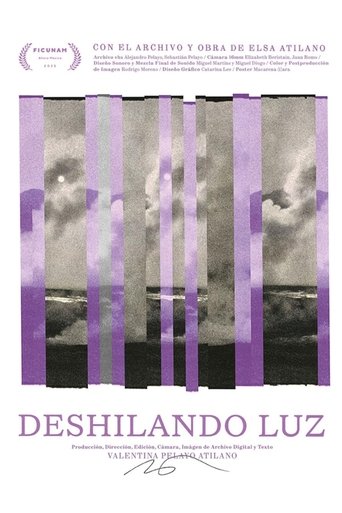
A film essay that intertwines the director's gaze with that of her late mother. Beyond exploring mourning and absence as exclusively painful experiences, the film pays tribute to her mother through memories embodied by places and objects that evidence the traces of her existence. The filmmaker asks herself: What does she owe her mother for who she is and how she films? To what extent does her film belong to her?