

The D.A.R.E. Report: The Land of Decisions and Choices
Animation
Overview
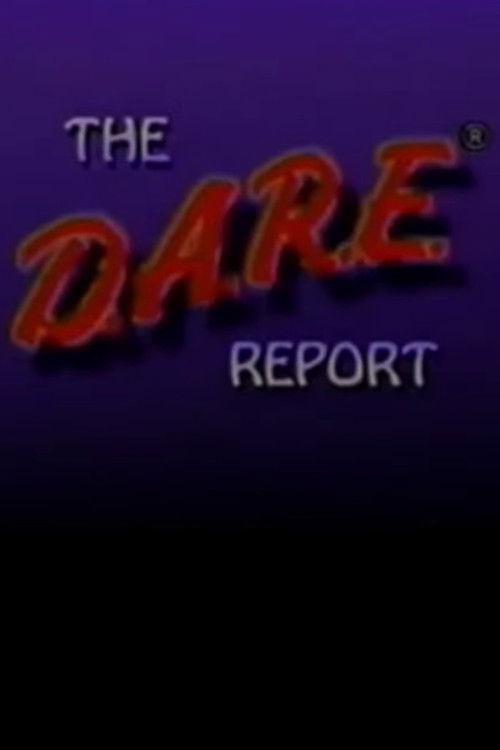
The D.A.R.E. Report: The Land of Decisions and Choices is an American anti-drug cartoon made in association with D.A.R.E (Drug Abuse Resistance and Education).


Greg Burson
Greg Burson
Greg Burson

Dana Hill
Dana Hill
Dana Hill
Robinette Lloyd
Robinette Lloyd
Robinette Lloyd
Pamela Segall
Pamela Segall
Pamela Segall
Theresa Smythe
Theresa Smythe
Theresa Smythe
Similar Movies
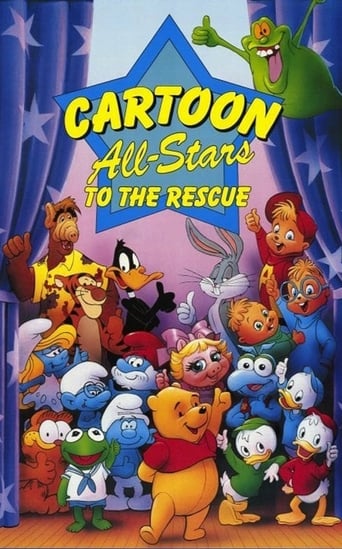
The plot chronicles the exploits of Michael, a teenager who is using marijuana and stealing his father's beer. His younger sister, Corey, is worried about him because he started acting differently. When her piggy bank goes missing, her cartoon tie-in toys come to life to help her find it. After discovering it in Michael's room along with his stash of drugs, the various cartoon characters proceed to work together and take him on a fantasy journey to teach him the risks and consequences a life of drug-use can bring and save the world.
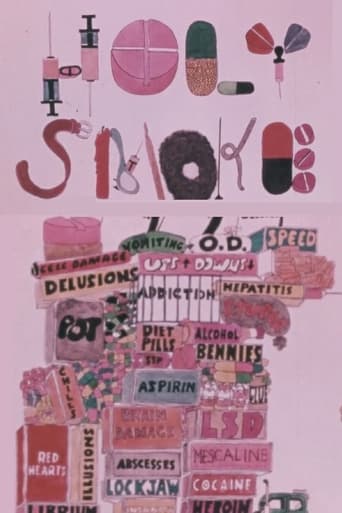
Made by 21st Cinetics and Billy Budd Films for the Morris County, Pennsylvania Division of Drug Control and Intervention, “Holy Smoke in Three Acts” is an unconventional anti-drug cartoon that was inspired by ideas put forth by students. The animation were created by R.J. Barcklow. The short, three-act animated film presents two artists and examines how the world around them influences their artwork. Both of the artists are influenced by drugs, drug use and the anti-drug campaign.
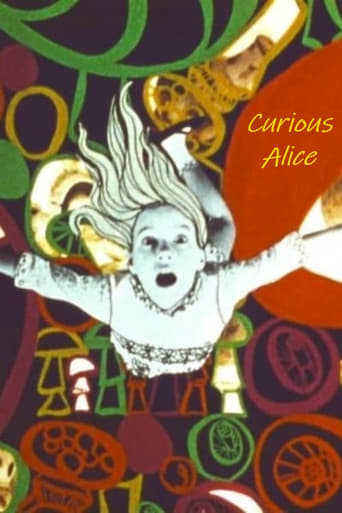
The story “Alice in Wonderland” is used as a metaphor about the dangers of accidental drug use among children. Curious Alice's trip to Wonderland is not through the rabbit hole, but rather through her home, where the medicine and kitchen cabinets hold substances of lure but danger. After ingesting one of these substances, Alice, now in the Wonderland of her mind, has an altered sense of reality. In her new psychedelic world, she is exposed to more and more drugs, which she may take based on her impaired judgment from the initial drug use.
This anti-drug film from 1972 uses abstract and modernist animation styles and techniques to depict the effects of different drugs (both legal and illegal) on the human brain and body. Set to eerie music and inter-spliced with live action footage shot in and around Los Angeles, California, you’ll be shown unnerving and psychedelic imagery designed to make you think twice about abusing drugs.
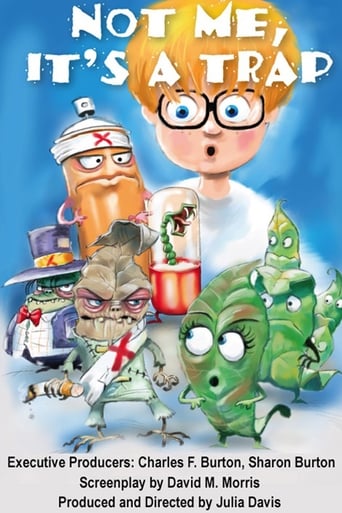
Professor Whyze and his 11-year-old son Tommy discover a hidden underworld where terrorist forces, led by veteran Hack, wage a “War on Kids,” using alcohol, drugs, and tobacco to stunt youth. They enlist Halfweed, a rebel from the tobacco ranks, to expose the epidemic. Mocked by classmates and ignored by authorities until death threats strike, Tommy must choose to warn his peers, stand with Halfweed, and help end the addiction assault, because it’s never wrong to do what’s right.
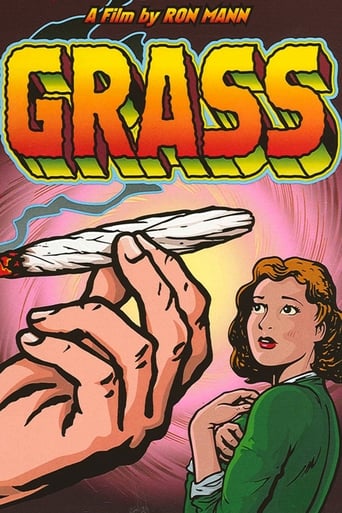
Marijuana is the most controversial drug of the 20th Century. Smoked by generations to little discernible ill effect, it continues to be reviled by many governments on Earth. In this Genie Award-winning documentary veteran Canadian director Ron Mann and narrator Woody Harrelson mix humour and historical footage together to recount how the United States has demonized a relatively harmless drug.
LSD: Trip to Where? is a 1968 film depicting the experiences of three sailors who experiment with LSD and marijuana. The film explores the impact of their drug use on themselves and their peers aboard a military vessel, highlighting the perceived dangers associated with these substances during that era.
The transcript discusses the prevalent drug culture, particularly marijuana use, among youth in national parks. It highlights the perception that marijuana is less harmful than harder drugs and reflects on the challenges park rangers face in enforcing drug laws. While acknowledging the existence of drug trafficking, the narrative emphasizes that marijuana use is often seen as a minor issue compared to alcohol consumption or harder narcotics. The conversation also touches on the need for a more nuanced understanding of drug use, suggesting that current laws may be overly stringent and not reflective of societal attitudes.