

Drugs and the Nervous System
Documentary · Animation
Overview
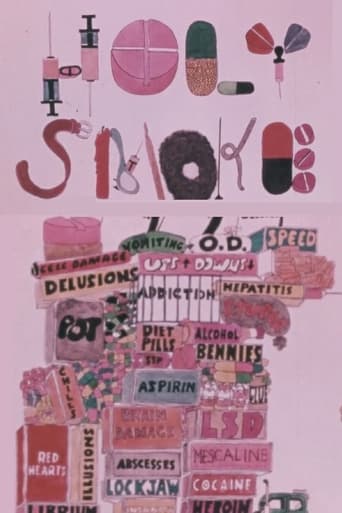
This anti-drug film from 1972 uses abstract and modernist animation styles and techniques to depict the effects of different drugs (both legal and illegal) on the human brain and body. Set to eerie music and inter-spliced with live action footage shot in and around Los Angeles, California, you’ll be shown unnerving and psychedelic imagery designed to make you think twice about abusing drugs.






No cast information.
Similar Movies
Marijuana is the most controversial drug of the 20th Century. Smoked by generations to little discernible ill effect, it continues to be reviled by many governments on Earth. In this Genie Award-winning documentary veteran Canadian director Ron Mann and narrator Woody Harrelson mix humour and historical footage together to recount how the United States has demonized a relatively harmless drug.
The plot chronicles the exploits of Michael, a teenager who is using marijuana and stealing his father's beer. His younger sister, Corey, is worried about him because he started acting differently. When her piggy bank goes missing, her cartoon tie-in toys come to life to help her find it. After discovering it in Michael's room along with his stash of drugs, the various cartoon characters proceed to work together and take him on a fantasy journey to teach him the risks and consequences a life of drug-use can bring and save the world.
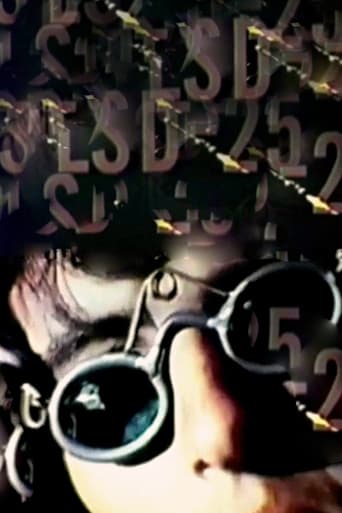
The dangers of LSD are driven home to teenagers in this classroom training film, which is "narrated" by an LSD tab. The "tab" tells kids that he is "a depth charge in the mind!" and various teenagers are shwn babbling about their LSD experiences. "Experts" are presented who warn that LSD makes kids "paint themselves green" and has various other horrible side effects, the most serious of which is that it gives users a police record, and that there is "no known way of getting your fingerprints out of a police file once they're in there."
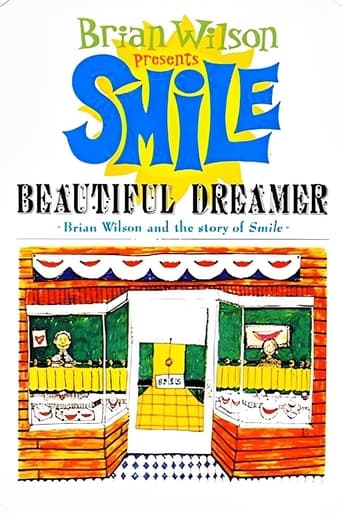
This film tells (using modern day interviews and archival footage and sound tapes) the story of how in 1967, while his band The Beach Boys triumphantly toured abroad, Brian Wilson was trying to push the boundaries of conventional pop music with a new follow-up to the Beach Boys' cutting-edge mega-hit, Pet Sounds. The new album was to be called "SMiLE". SMiLE pushed the envelope both musically and lyrically, and was supposed to out-do the Beatles' Sgt. Pepper record. But Brian wasn't able to sell the project to his band-mates when they returned. The project was shelved and Wilson's well-documented decline into depression, drug abuse, recluseness, and obesity had begun. Thirty-odd years later, Wilson announced that in 2004, SMiLE would be performed live in its entirety in London. This film tells the story of a damaged but healing artist bringing his greatest work to light.
The war on drugs has been going on for more than three decades. Today, nearly 500,000 Americans are imprisoned on drug charges. In 1980 the number was 50,000. Last year $40 billion in taxpayer dollars were spent in fighting the war on drugs. As a result of the incarceration obsession, the United States operates the largest prison system on the planet. Today, 89 percent of police departments have paramilitary units, and 46 percent have been trained by active duty armed forces. The most common use of paramilitary units is serving drug-related search warrants, which usually involve no-knock entries into private homes.

Maya is Ayaibex's daughter, an addict in recovery that feels a blame for damages that caused her daughter, Maya decides to remember her mother's childhood experiences in her world of addiction to seek the redemption of the weight that her mother has loaded for 20 years and get both to forgiveness.