

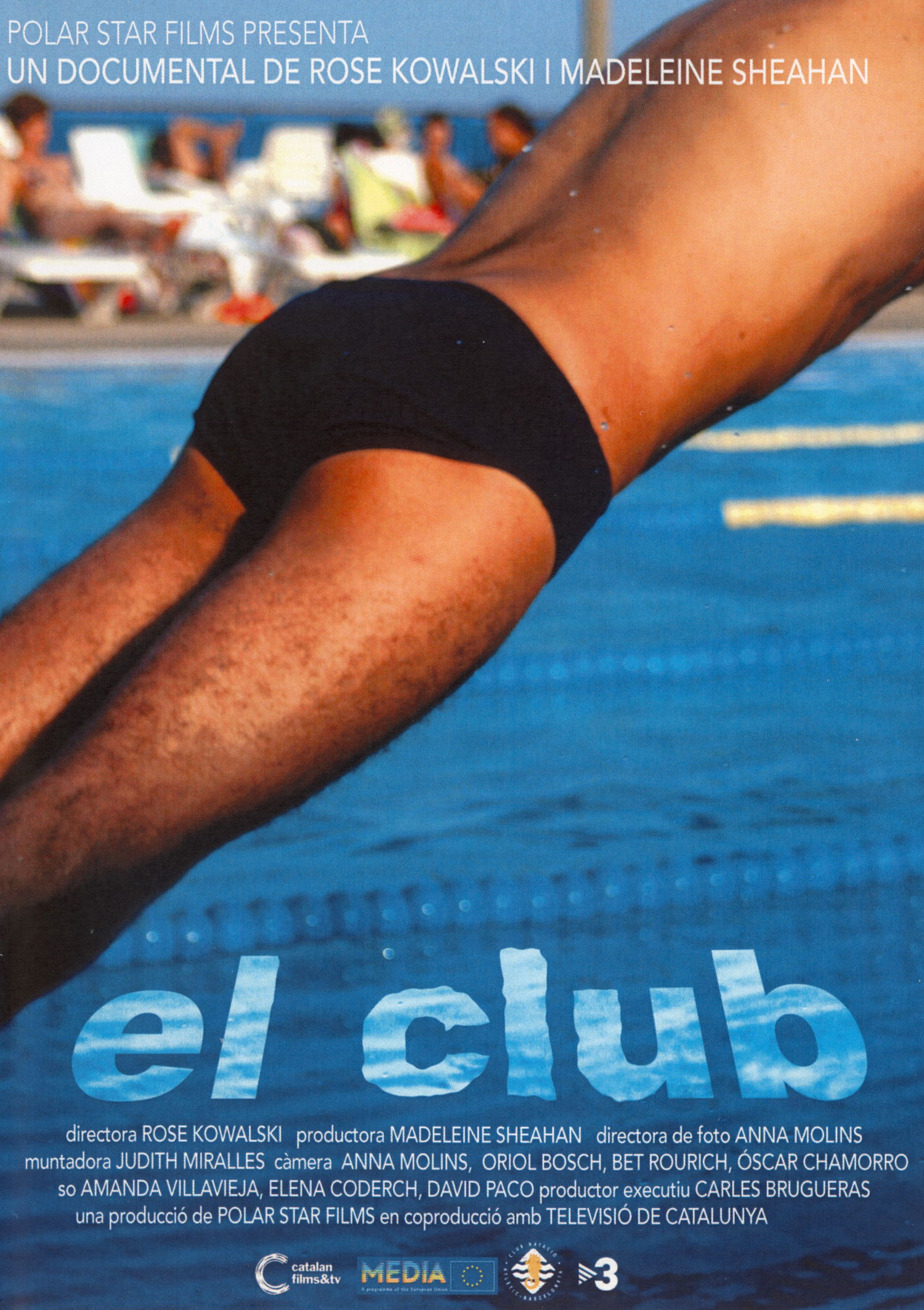
El Club
Documentary
Overview
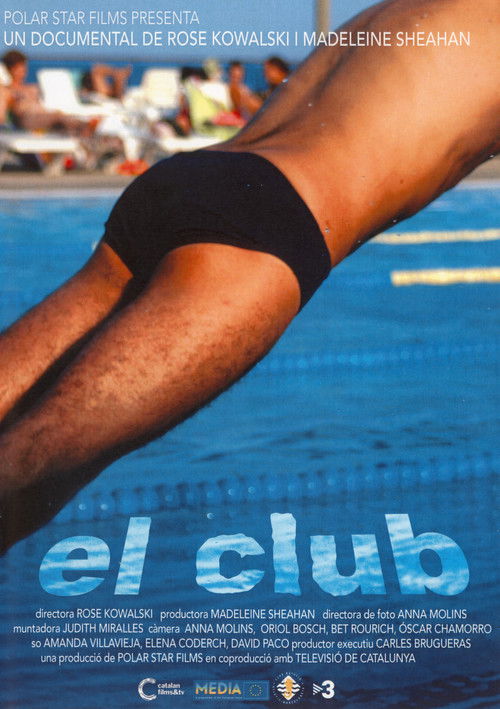
A sensual portrait of an urban community that explores human desires, ambitions and fragility through the daily activities of a swimming club.




No cast information.
Similar Movies

Cold Refuge is about the physical, psychological, and spiritual aspects of full immersion in the natural world: how, though it may seem counter-intuitive, swimming in cold water helps mitigate some of life’s most serious challenges. The film’s diverse film subjects include a wheelchair-bound, paralyzed swimmer who faces fear by diving off a high pier; a Black man who was told by whites when he was 13 that “Black people don’t swim” (it took him 30 years to try); a blind man who tethers himself to a sighted swimmer; a woman with aggressive breast cancer who “swims to chemo;” a lawyer who reduces courtroom stress in the open water; and a young woman who communes with her late mother in San Francisco Bay, where they both swam together. Along with swimmers’ stories of adversity and resilience, the film’s marine mammals, birds, artwork, and a variety of open-water locations create a visual meditation on what it means to escape our abstract digital world in favor of what’s real.
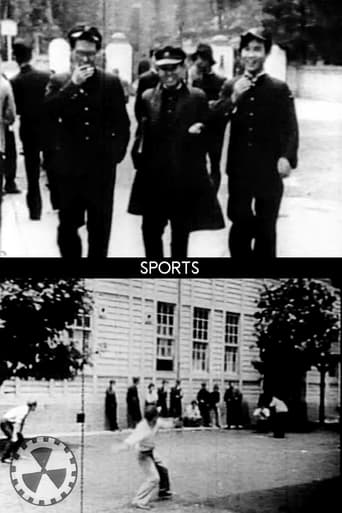
The film is about a protest provoked when the university decided to restrict access to sports facilities to athletes, cutting out all other students. This is, strictly speaking, not a Prokino film. It was produced by the Waseda University Film Circle, which was organized by Kawazoe Shiro. Feature film directors Yamamoto Satsuo and Taniguchi Senkichi were apparently students at Waseda at the time and participated in the production.
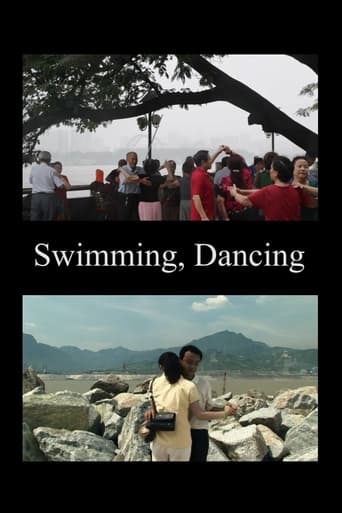
Swimming, Dancing examines audiovisual representations of the Yangtze (1934–present), from silent film to video art to the contemporary vlog. Inspired by the city symphonies of the 1920s, Swimming, Dancing pieces together a “river symphony”, evoking the images, sounds and contradictions that make up the river’s turbulent history.