

Bay to Baltimore
Documentary · Adventure
Overview
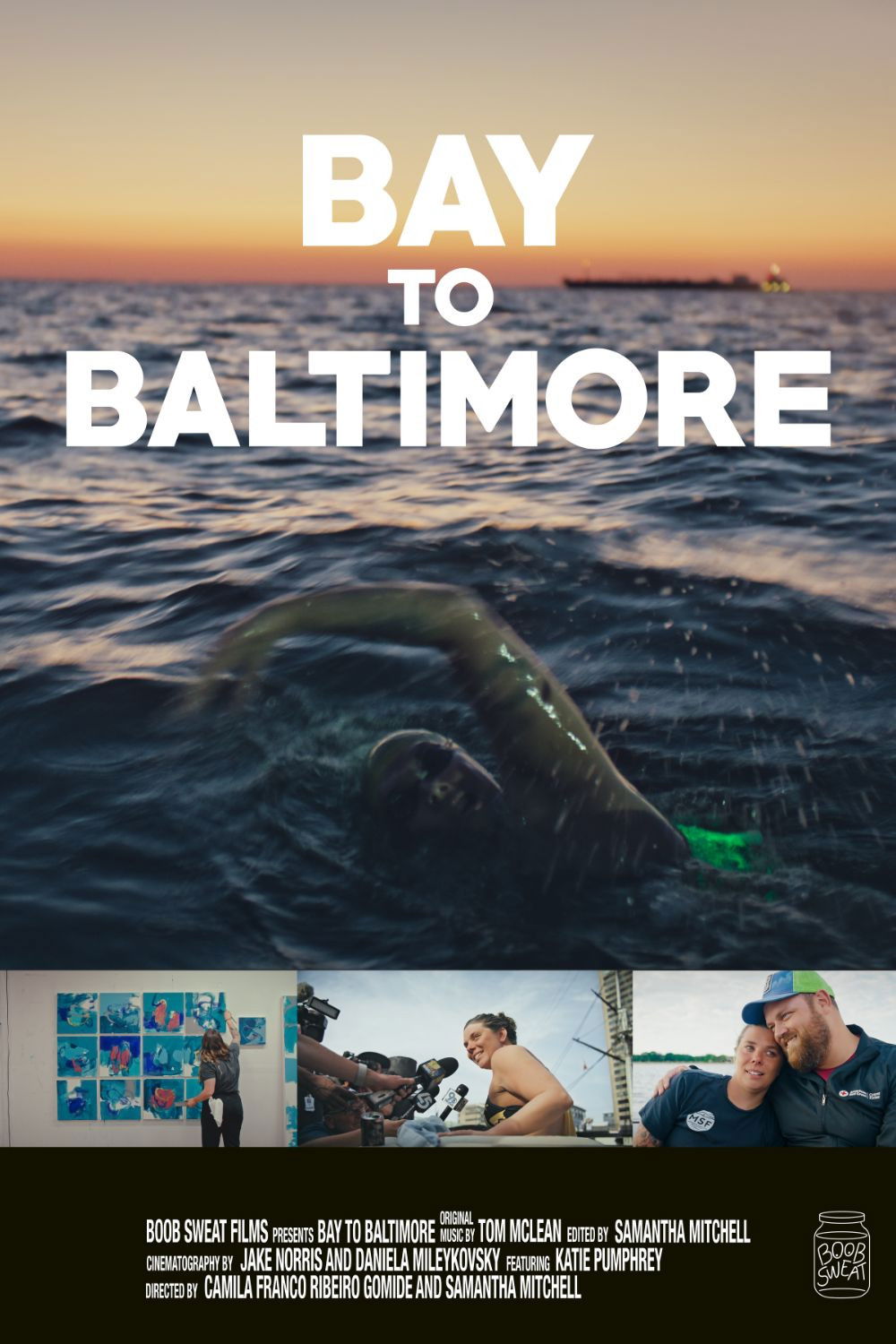
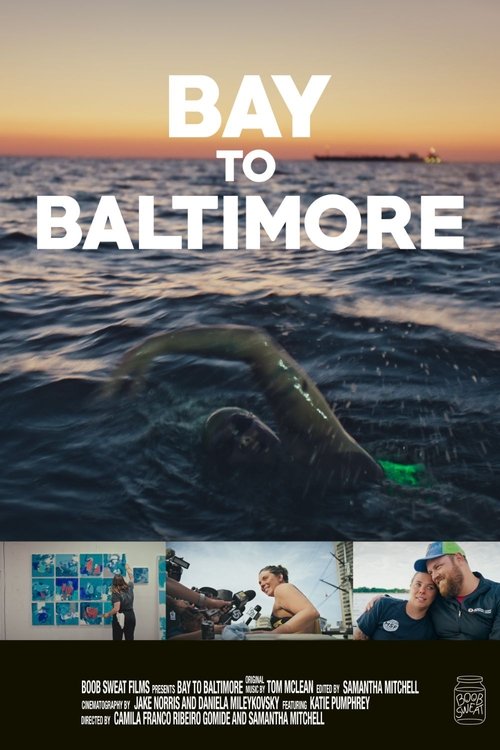
Ultramarathon open water swimmer and painter Katie Pumphrey hopes to become the first person to swim 24 miles from the Chesapeake Bay Bridge to Baltimore's newly swimmable Inner Harbor. As she trains for and promotes this difficult swim, Pumphrey must face a public who thinks she’s crazy to swim in the historically polluted waters.




No cast information.
Similar Movies

Built out of “a pile of radio junk,” Bethesda, Maryland’s WHFS was a music fan’s dream of a radio station: the place on the dial to hear music listeners loved and new tunes they soon would, all with an anything-goes mentality and an ear for the sounds of social change. This doc pays loving tribute to free-form radio and WHFS’s influence over FM stations across the US from the 1960s to the 1980s. All good things come to an end, and so did the disc-jockey-driven format that WHFS pioneered and made successful, but its legacy lives on. The station’s DJs relate its history with passion in this film that captures the tenor of an era, abetted by reminiscences of performers including Emmylou Harris, Taj Mahal, Jesse Colin Young, and others whose music found its way to ears and minds eager for something more than the same old Top 40 programming.
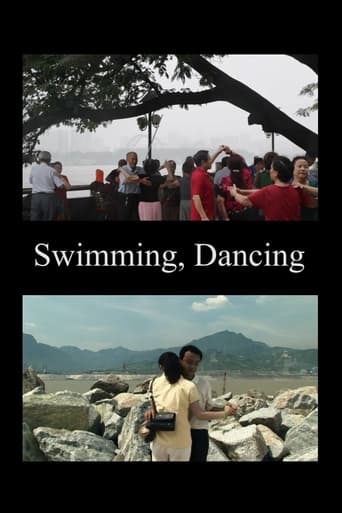
Swimming, Dancing examines audiovisual representations of the Yangtze (1934–present), from silent film to video art to the contemporary vlog. Inspired by the city symphonies of the 1920s, Swimming, Dancing pieces together a “river symphony”, evoking the images, sounds and contradictions that make up the river’s turbulent history.
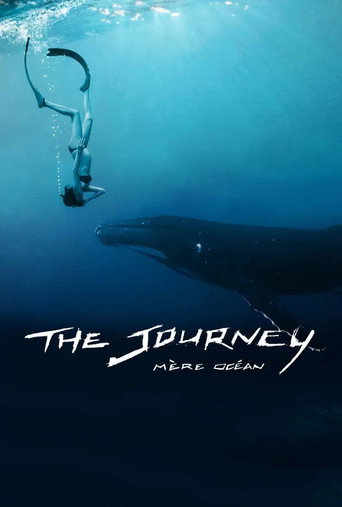
Famous and talented feature film director and scriptwriter Jan Kounen plunges the viewer into a unique and thrilling adventure of pregnancy, birth, and baby’s first swim, alongside marine creatures. Leina Sato is a Japanese professional free diver and is expecting her first child. Her partner, Jean-Marie Ghislain is a famous underwater photographer. They share a passion for the oceans, and believe that a strong bond between a mother-to-be and cetaceans exists. And they want to prove it. Leina will be multiplying her encounters with whales, dolphins and other underwater mammals. Mother Ocean is the incredible encounter between humans and under water species, around the universal question of giving birth and the power of creating life.

Cold Refuge is about the physical, psychological, and spiritual aspects of full immersion in the natural world: how, though it may seem counter-intuitive, swimming in cold water helps mitigate some of life’s most serious challenges. The film’s diverse film subjects include a wheelchair-bound, paralyzed swimmer who faces fear by diving off a high pier; a Black man who was told by whites when he was 13 that “Black people don’t swim” (it took him 30 years to try); a blind man who tethers himself to a sighted swimmer; a woman with aggressive breast cancer who “swims to chemo;” a lawyer who reduces courtroom stress in the open water; and a young woman who communes with her late mother in San Francisco Bay, where they both swam together. Along with swimmers’ stories of adversity and resilience, the film’s marine mammals, birds, artwork, and a variety of open-water locations create a visual meditation on what it means to escape our abstract digital world in favor of what’s real.
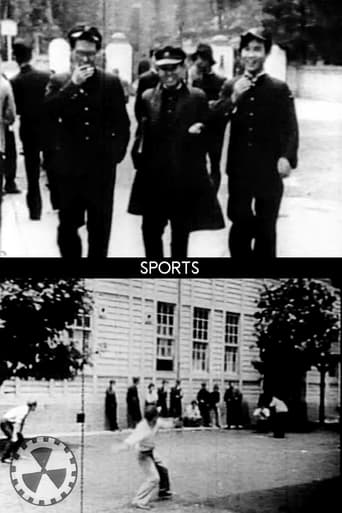
The film is about a protest provoked when the university decided to restrict access to sports facilities to athletes, cutting out all other students. This is, strictly speaking, not a Prokino film. It was produced by the Waseda University Film Circle, which was organized by Kawazoe Shiro. Feature film directors Yamamoto Satsuo and Taniguchi Senkichi were apparently students at Waseda at the time and participated in the production.