


Mozgóképes történelem – Rendszerváltás Magyarországon és Kelet-Európában 1988–1990
Documentary · History



Viktor Orbán
Viktor Orbán
Viktor Orbán
Szájer József
Szájer József
Szájer József
Fodor Gábor
Fodor Gábor
Fodor Gábor
Kövér László
Kövér László
Kövér László
Kónya Imre
Kónya Imre
Kónya Imre
Pozsgay Imre
Pozsgay Imre
Pozsgay Imre
Kádár János
Kádár János
Kádár János
Grósz Károly
Grósz Károly
Grósz Károly
Róbert Pálinkás Szűcs
Róbert Pálinkás Szűcs
Róbert Pálinkás Szűcs
Gáspár Miklós Tamás
Gáspár Miklós Tamás
Gáspár Miklós Tamás
Similar Movies

Between the end of the Second World War and the abolition of the "offence of homosexuality" in 1982, 10,000 sentences were handed down in France. Sentences in correctional courts, fines and sometimes imprisonment, the convictions were mainly against men. The last witnesses of this period speak out and tell of four decades of clandestine life, just before the tragedy of AIDS.

A roller-coaster ride through the history of American exploitation films, ranging from Roger Corman's sci-fi and horror monster movies, 1960s beach movies, H.G. Lewis' gore-fests, William Castle's schlocky theatrical gimmicks, to 1970s blaxploitation, pre-"Deep Throat" sex tease films, Russ Meyer's bosom-heavy masterpieces, etc, etc. Over 25 interviews of the greatest purveyors of weird films of all kind from 1940 to 1975. Illustrated with dozens of films clips, trailers, extra footage, etc. This documentary as a shorter companion piece focusing on exploitation king David F. Friedman.
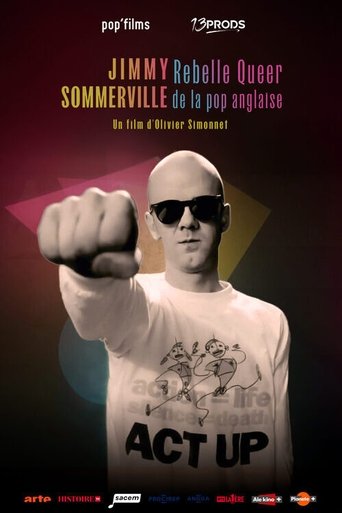
With his soaring falsetto and magnetic yet understated stage presence, Jimmy Somerville burst onto the 1980s new wave scene, making the world dance to songs rooted in struggle and resilience. From the harsh realities of Glasgow’s working-class neighborhoods to the challenges of growing up gay in a hostile world, and the devastating impact of the AIDS crisis, Somerville transformed pain into anthems of freedom. First with Bronski Beat, then The Communards, and later as a solo artist, he became both rebel and diva—the unmistakable voice of a generation fighting for equality. Through intimate stories from those who have stood by him for four decades, this portrait reveals a rare artist who has never wavered in his convictions.
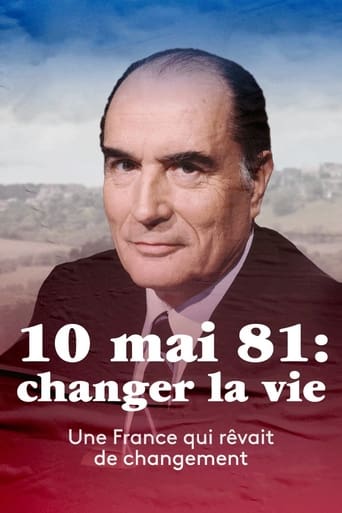
Fourty years ago, in May 1981, with François Mitterrand's election, some people were letting themselves dream about a better life while others were predicting the coming of soviet tanks upon the Champs-Élysées. If we gladly remember the turning point of austerity in 83, there were also the wage rises, the fifth week of paid leave, the abolition of death penalty, the decriminalisation of homosexuality, or the advent of independent radio stations. Rare archives and accounts by those who were at the heart of this story give an overview of it and shed light on lesser-known aspects.
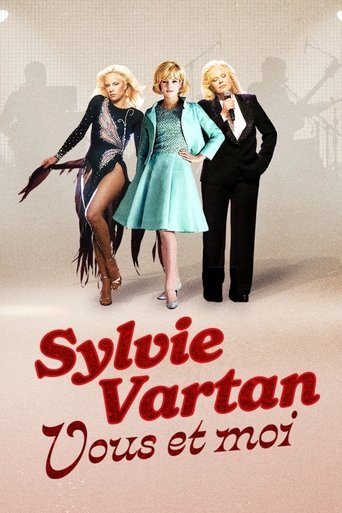
Sylvie Vartan has had an extraordinary life: a Bulgarian child forced into exile, who became the icon of a youth in the midst of revolution in France. After a career spanning 64 years, with nearly 50 albums recorded and 40 million records sold, she has decided to bow out. During her farewell tour, the singer chose to open up to Augustin Trapenard.
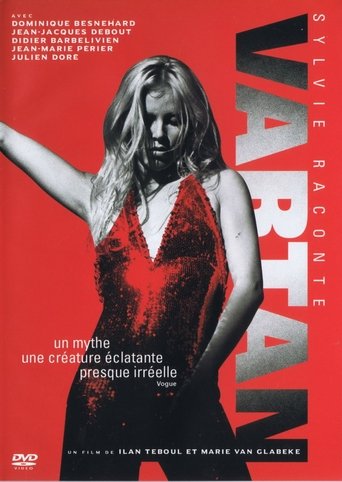
Fifty years after her first recording in Nashville, Sylvie Vartan decided to record the album she sings on to mark this anniversary there. In one of the songs, she says: I have forged my own path, without turning back. Leaving my mistakes behind me. I ventured into unknown territory, avoiding pitfalls, and I came back. It is on this "road," both public and personal, starting from her native Bulgaria to Paris, passing through a thousand places around the world, traversing fashions and overcoming the trials of an extraordinary life, that this film sets out to illuminate the trajectory of a shy young girl who became an international icon and a resolutely free woman.