

The Golden Grip
Documentary
Overview
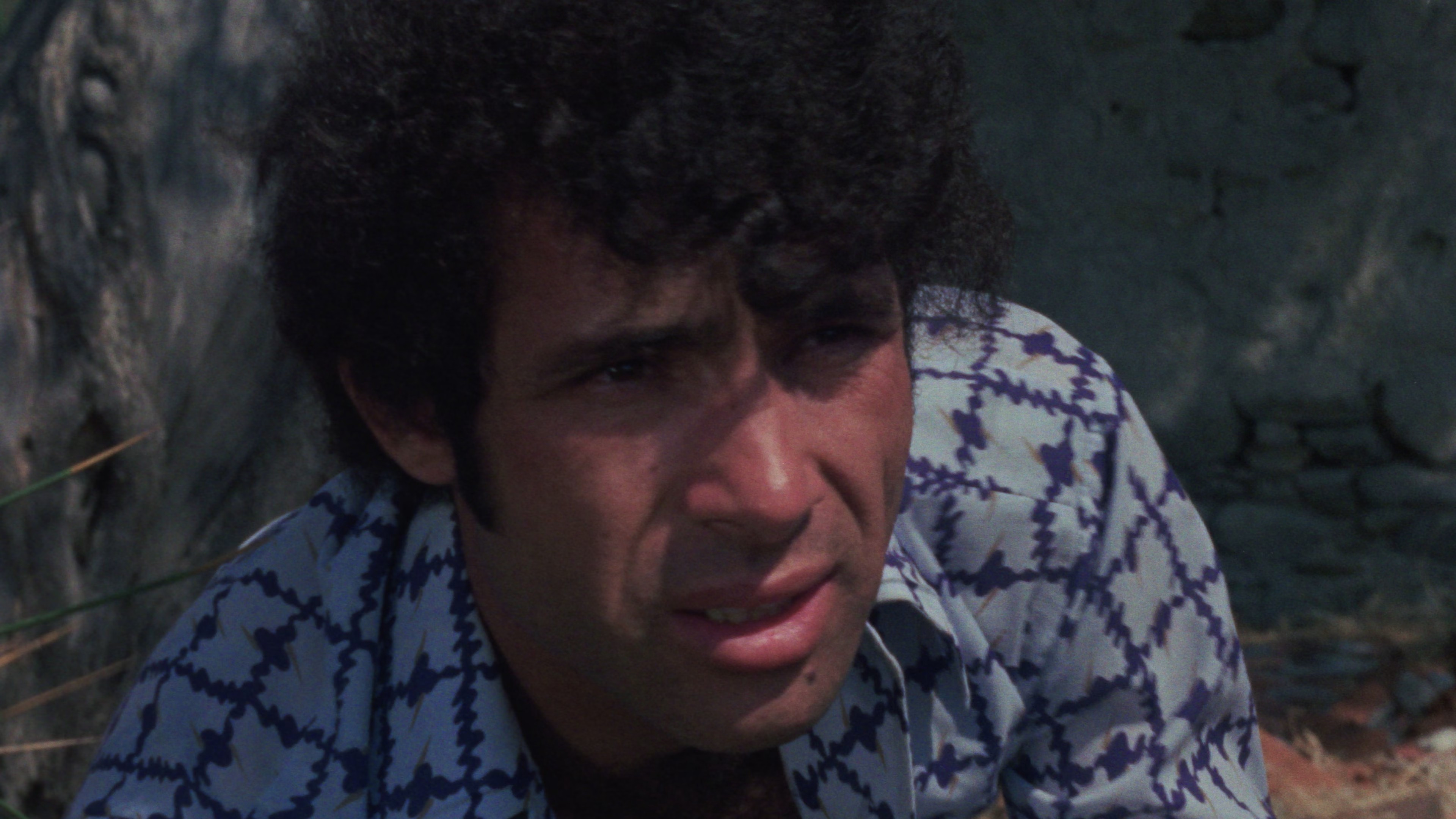
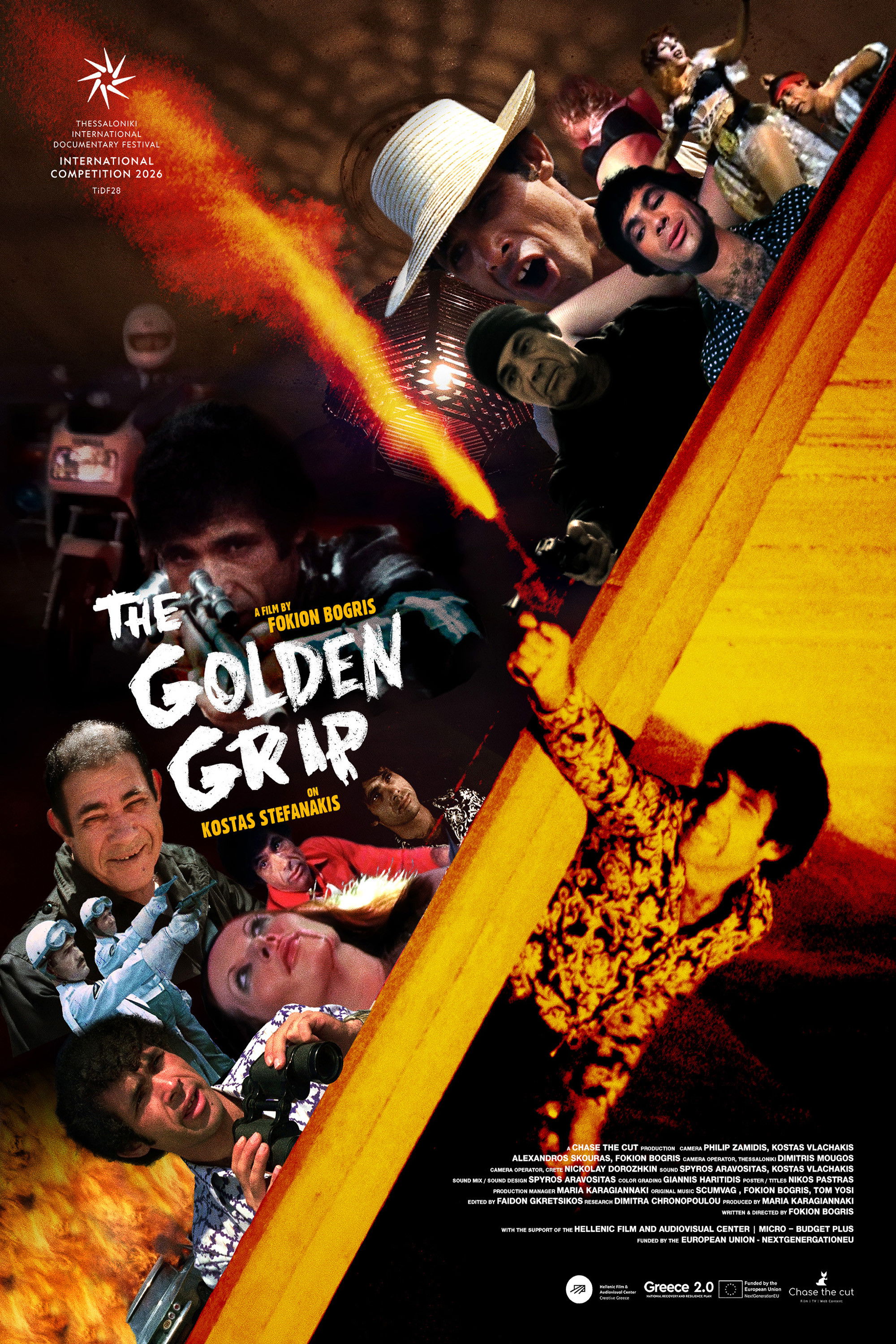
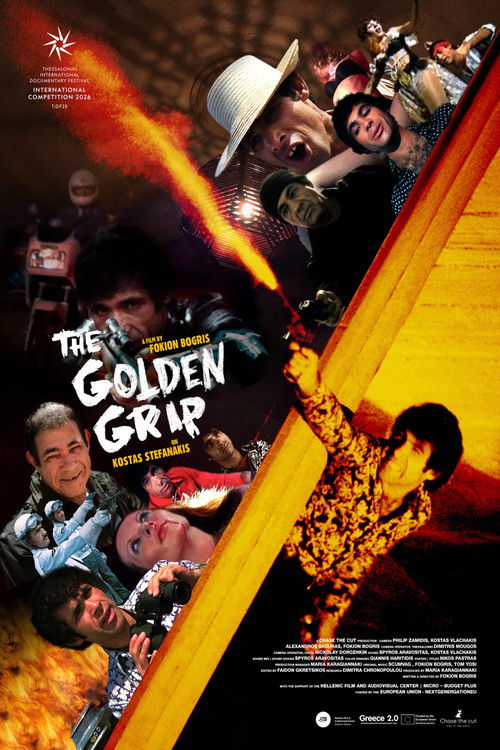
In the mid-1960s, Kostas left his village in Crete dreaming of becoming a star. His rugged physique and humble background afforded him only small “tough-guy” roles, yet in numerous Greek films – from big studio productions and renowned auteur masterpieces to low-budget exploitation films alike. By placing a support actor at centerstage, the film traces five decades of Greek cinema.





Kostas Stefanakis
Kostas Stefanakis
(archive footage)
Kostas Stefanakis
(archive footage)
Μίκα Στεφανάκη
Μίκα Στεφανάκη
Μίκα Στεφανάκη

Omiros Efstratiadis
Omiros Efstratiadis
Omiros Efstratiadis

Sotiris Goritsas
Sotiris Goritsas
Sotiris Goritsas
Kiska Manouseli
Kiska Manouseli
Kiska Manouseli
Makis Gerard Papasimakopoulos
Makis Gerard Papasimakopoulos
Makis Gerard Papasimakopoulos

Christos Callow
Christos Callow
Christos Callow
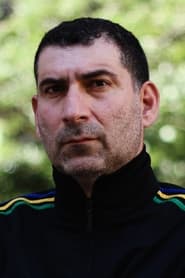
Yannis Economides
Yannis Economides
Yannis Economides
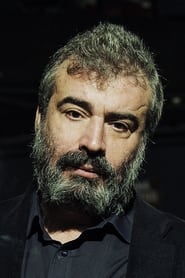
Nicholas Triandafyllidis
Nicholas Triandafyllidis
(archive footage)
Nicholas Triandafyllidis
(archive footage)
Kleo Zamidis
Kleo Zamidis
(archive footage)
Kleo Zamidis
(archive footage)
Similar Movies
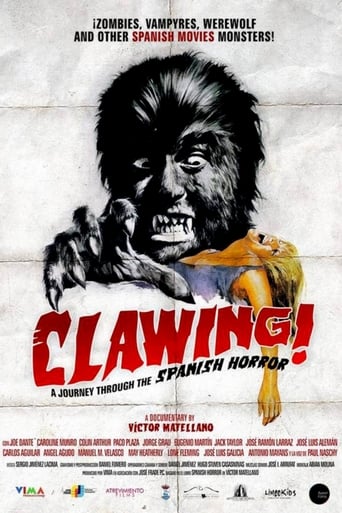
In the late sixties, Spanish cinema began to produce a huge amount of horror genre films: international markets were opened, the production was continuous, a small star-system was created, as well as a solid group of specialized directors. Although foreign trends were imitated, Spanish horror offered a particular approach to sex, blood and violence. It was an extremely unusual artistic movement in Franco's Spain.
Three women share their experience of navigating the app-world in the metro city. The sharings reveal gendered battles as platform workers and the tiresome reality of gig-workers' identities against the absent bosses, masked behind their apps. Filmed in the streets of New Delhi, the protagonists share about their door-to-door gigs, the surveillance at their workplaces and the absence of accountability in the urban landscape.
American resort developers bear down on the wild west coast of Nicaragua, hoping to build the next tourist paradise. With lax labour and environmental regulations, some of the developers take full advantage of the situation, and the local fishermen start accusing them of exploitation and land thievery. Unexpectedly, in the midst of this conflict, firebrand Daniel Ortega and the Sandinistas sweep back into government, boldly empowering the local fishermen. The tables turn viciously on the American developers, who get much more than they bargained for. But when the local fishermen, corrupted by new found power, begin acting in the same manner as the American developers, questions are posed about human nature, morality, and ethics on a much larger scale.
The video is accompanied by a richly detailed article that adds more depth to the documentary. If there’s any question about why Hollywood is dead set against the unionization of vfx artists, the following graphic from the article will answer the question: vfx artists comprise the biggest portion of the crew on most Hollywood blockbusters.

A very human tech doc, uncovers the real costs of the platform economy through the lives of workers from around the world for companies including Uber, Amazon and Deliveroo. From delivering food and driving ride shares to tagging images for AI, millions of people around the world are finding work task by task online. The gig economy is worth over 5 trillion USD globally, and growing. And yet the stories of the workers behind this tech revolution have gone largely neglected. Who are the people in this shadow workforce? It brings their stories into the light. Lured by the promise of flexible work hours, independence, and control over time and money, workers from around the world have found a very different reality. Work conditions are often dangerous, pay often changes without notice, and workers can effectively be fired through deactivation or a bad rating. Through an engaging global cast of characters, it reveals how the magic of technology we are being sold might not be magic at all.
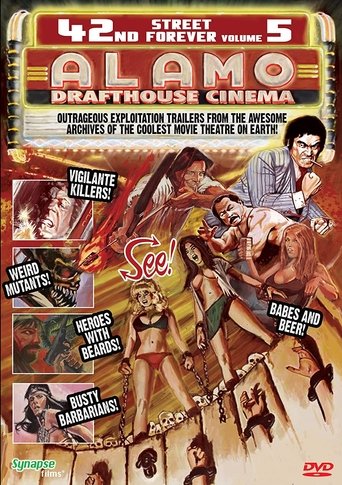
WELCOME TO THE ALAMO DRAFTHOUSE CINEMA, the most awesome post-modern hot spot for exploitation movie revival, deep in the heart of Texas! Home to world-famous events such as The Quentin Tarantino Film Fest, Fantastic Fest and Butt-Numb-A-Thon, the Alamo is one of the last places on earth where you can still see grindhouse classics such as THE DEVIL WITHIN HER and MAD MONKEY KUNG FU. Now, the Alamo has opened their vaults for a peek at some of the most outrageous cinematic gems from several golden ages of sleaze cinema. Digitally re-mastered in high-definition from the actual reels that show every week at the Alamo, this exciting edition of the 42ND STREET FOREVER series is the most bizarre, the most terrifying and the most hilarious one yet!
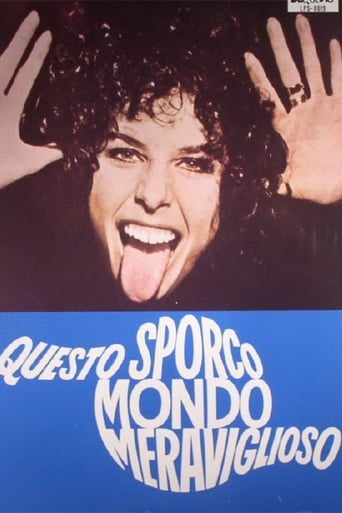
Taking a detour from the usual settings of Africa and South America, this mondo film focuses on Japan and Sweden, exploring strange and unusual scenes like the effects of pollution in a Japanese fishing village, esoteric psychotherapy methods, assisted fertilization, heatt surgery, sex education for blind children in sweden, military training for young Palestinians in Lebanon, a female priest celebrating mass and a school for children with phocomelia.
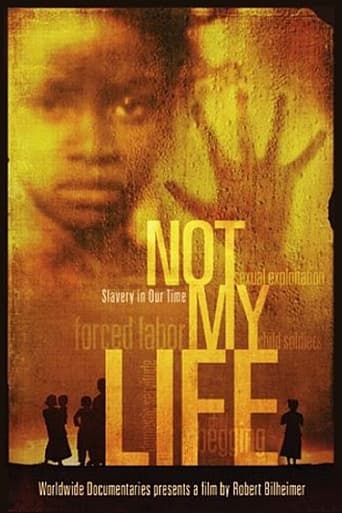
Not My Life comprehensively depicts the cruel and dehumanizing practices of human trafficking and modern slavery on a global scale. Filmed on five continents, in a dozen countries, Not My Life takes viewers into a world where millions of children are exploited through an astonishing array of practices including forced labor, sex tourism, sexual exploitation, and child soldiering.
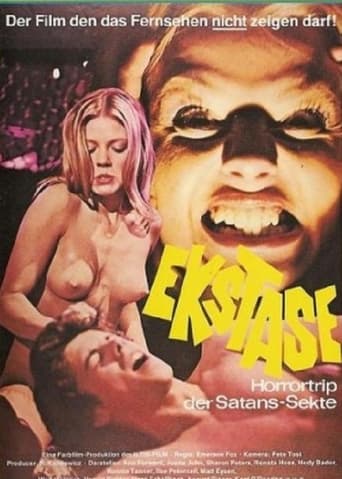
Mondo Cane and the Schoolgirl Report series stand as obvious influences on this occasionally amusing but generally rather tedious exploitation film that alternates between documentary, fake documentary and docudrama. The theme is Satanism and the linking thread is a recreation of what is supposedly the real-life case of a murder and attempted murder of two Munich teenage men by a quartet of girls who had been dabbling in devil worship. During the ensuing trial, the lawyer resorts to dilatory tactics while the hearing is frequently interrupted by the girls breaking into incantation, temper tantrums or shivery fits ostensibly bearing on demonic possession. When the subject of the Manson killings is brought up, the most obnoxious of the defendants breaks in indignantly, claiming that Sharon Tate’s “execution” was justified as she posed dangers to the Satanic community.