

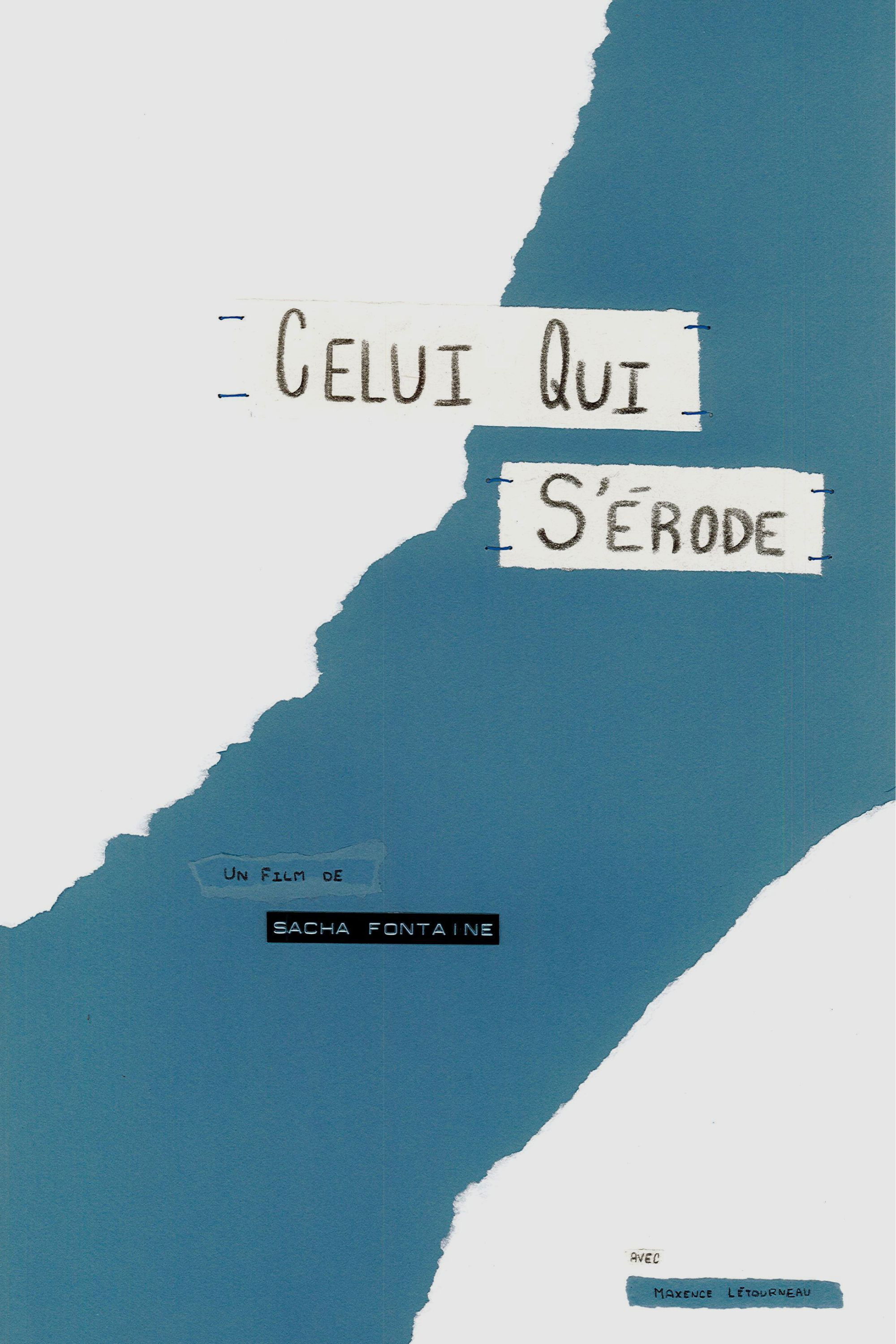
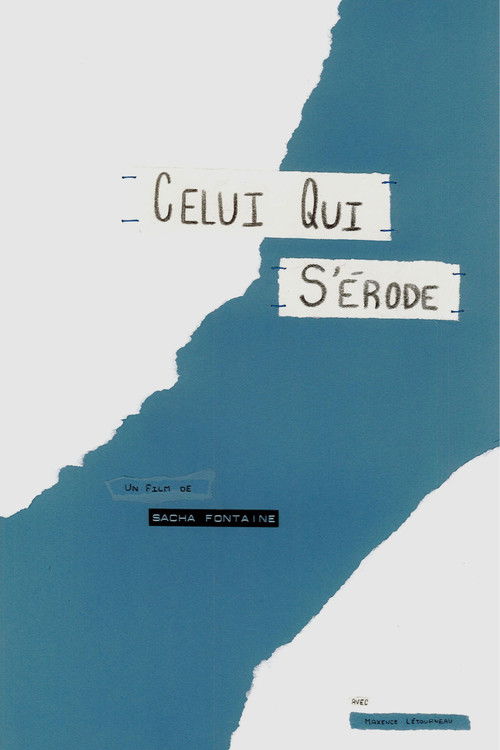
The one that erodes
Documentary
Overview
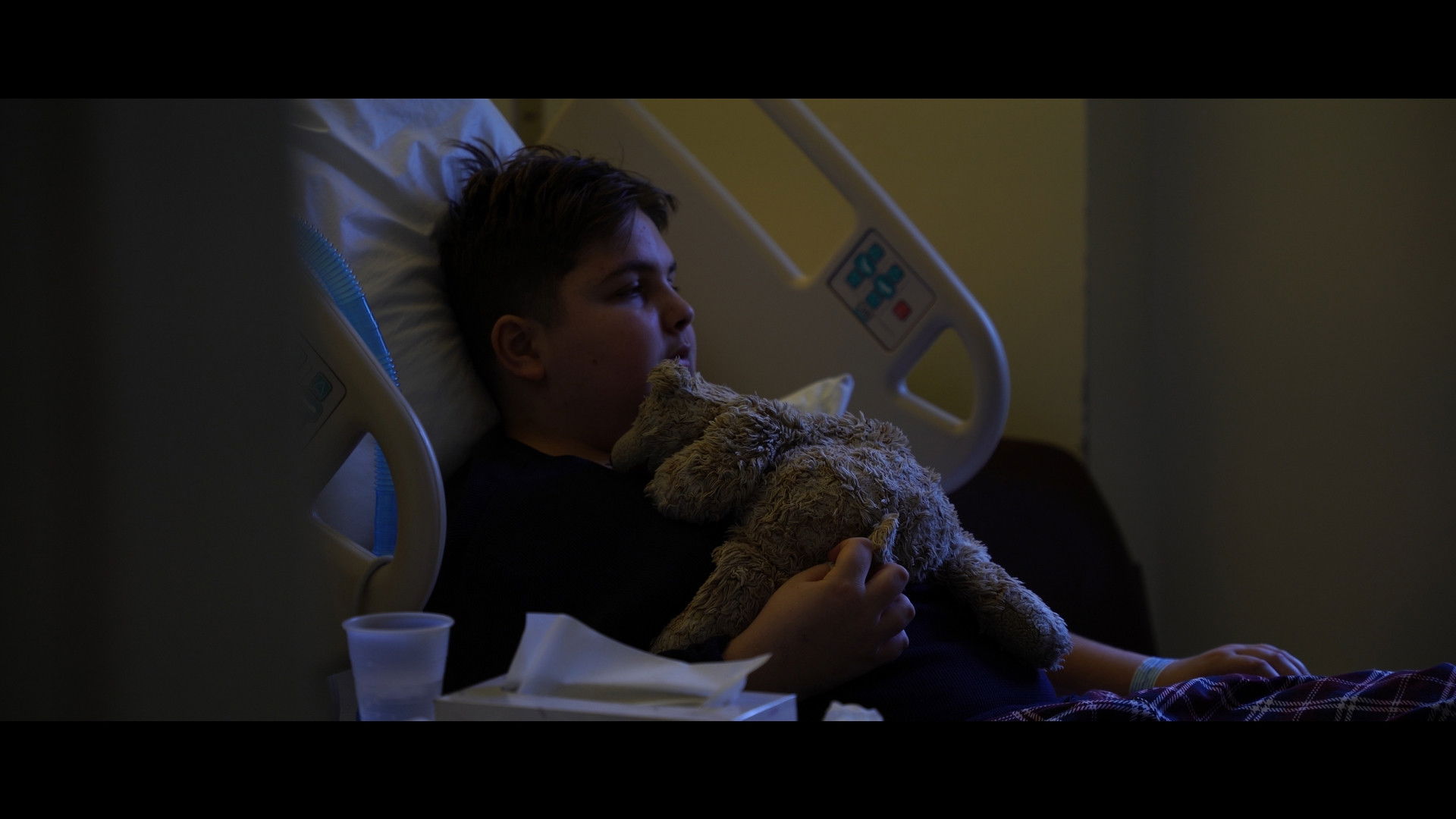
Maxence, 18, suffers from Cushing's syndrome. This growth disorder has prevented him from reaching puberty, leaving him trapped in a foreign body: that of a 15-year-old. Frozen, unchanging. This is the story of a slow and imperceptible melt. It is the search for a body that belongs to him.
Top Cast




Maxence Létourneau
Maxence Létourneau
Maxence Létourneau
Maxence Létourneau
Maxence Létourneau
Similar Movies
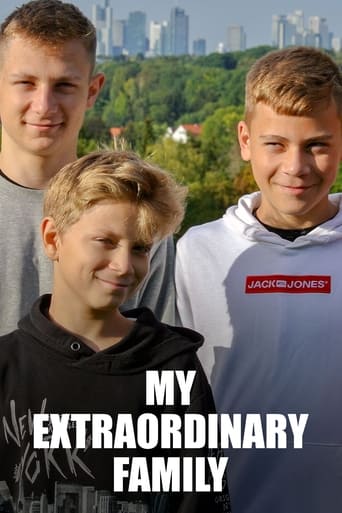
It is normal for 15-year-old Linn to have two mothers. But when she finds out that there are still numerous siblings, she realizes that she is part of an extraordinary extended family. Her father Eike not only had an appointment with Linn's mothers to donate sperm, Petra and Anny also have three children with him. A film crew followed this rainbow family for twelve years.
NOVA takes you inside the operating room to witness organ transplant teams transferring organs from donors to recipients. Meet families navigating both sides of a transplant, and researchers working to end the organ shortage. Their efforts to understand organ rejection, discover ways to keep organs alive outside the body, and even grow artificial organs with stem cells, could save countless lives.
This compelling film represents a rare record of an original genius. In Jung on Film, the pioneering psychologist tells us about his collaboration with Sigmund Freud, about the insights he gained from listening to his patients' dreams, and about the fascinating turns his own life has taken. Dr. Richard I. Evans, a Presidential Medal of Freedom nominee, interviews Jung, giving us a unique understanding of Jung's many complex theories, while depicting Jung as a sensitive and highly personable human being.
Eating, 2nd Edition: Introducing The RAVE Diet presents graphic evidence of how animal foods are not meant for human consumption, and how the suffering and death of the animals "takes revenge" on the humans who eat them by causing most of our chronic diseases, and how the switch to a all whole-food plant based diet can begin to reverse many of these diseases in as little as three weeks.
Obesity rates in the United States have reached epidemic proportions in recent years. Killer at Large shows how little is being done and more importantly, what can be done to reverse it. Killer at Large also explores the human element of the problem with portions of the film that follow a 12-year old girl who has a controversial liposuction procedure to fix her weight gain and a number of others suffering from obesity, including filmmaker Neil Labute.
Driven by a personal interest in finding out how people deal with the sudden loss of their familiar structures and surroundings, director Jonas Kaufmann embarks on an emotional journey on behalf of Generation Z. A journey with the aim of finding the one inviolable point of human existence that gives us support when everything is lost. In our documentary, protagonist Roman Sachuk and Jonas Kaufmann take on the challenge of providing partial answers to the central questions of a generation in crisis.
Follow filmmaker Elle-Máijá Tailfeathers as she creates an intimate portrait of her community and the impacts of the substance use and overdose epidemic. Witness the change brought by community members with substance-use disorder, first responders and medical professionals as they strive for harm reduction in the Kainai First Nation.
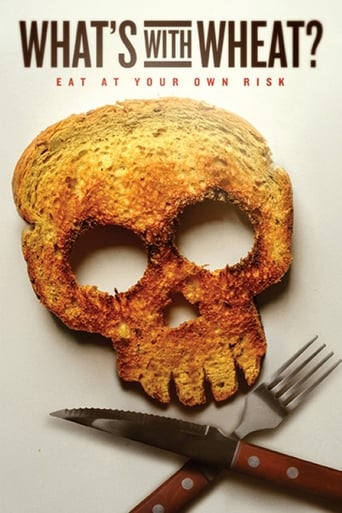
Why are so many people wheat-intolerant or sensitive to wheat? And why is wheat linked to so many modern-day health problems, when it has been a staple of the human diet for thousands of years? In this documentary, a nutritionist interviews 14 experts, to understand how wheat has changed since it was first cultivated, how these changes could be affecting human health, and how people can break a dietary cycle that could be making them sick.