

Sam Dillemans, The Madness Of Detail
Documentary
Overview
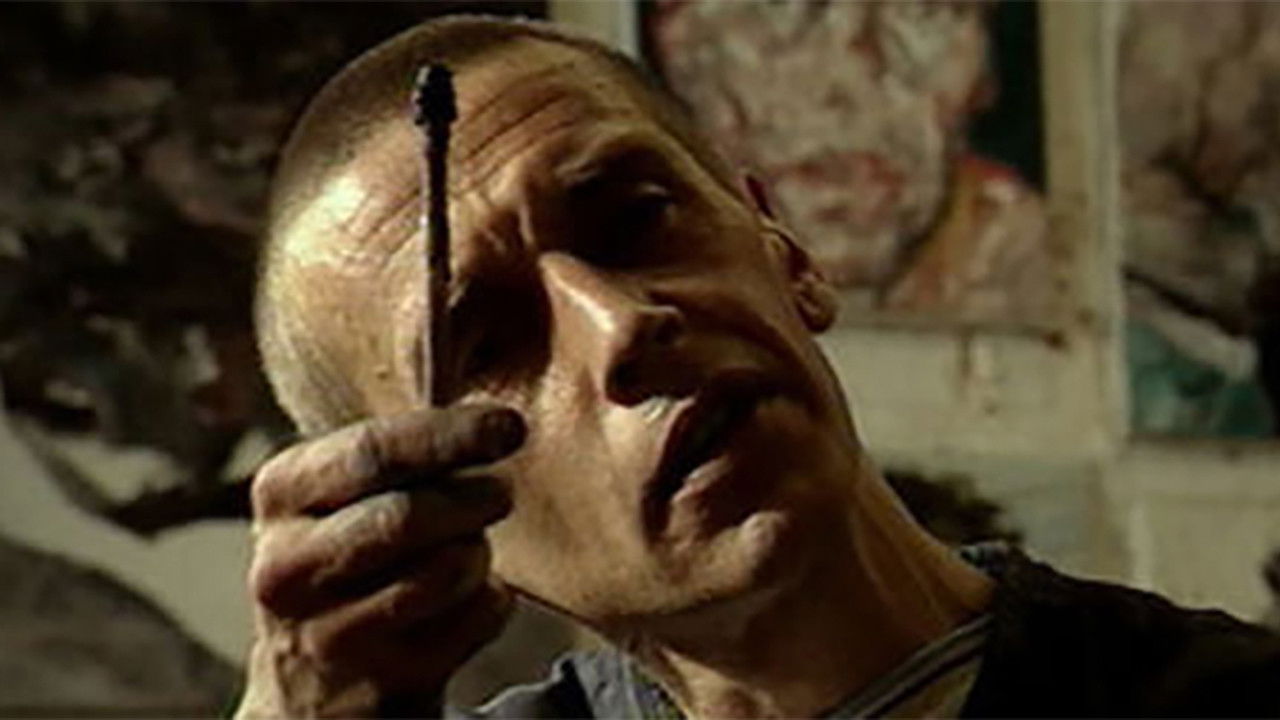
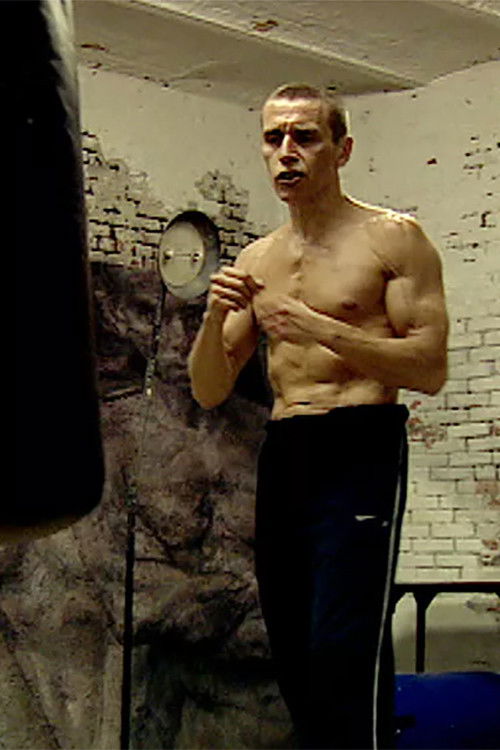
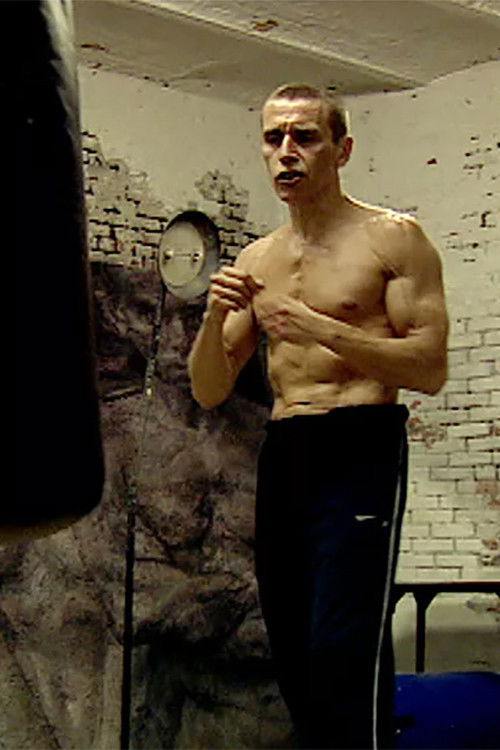
‘de waanzin van het detail’ paints a portrait of the contemporary painter sam dillemans. To dillemans, who lives in borgerhout, van gogh, picasso, rubens or goya are not painters of yesterday but of today. They inspire him on a daily basis and at the same time their crushing genius also depresses him. In addition to being a very talented artist sam dillemans is so a gifted storyteller. While working on a self-portrait in his studio, he talks about his life and his work, how it relates to cultural history, the sacrifices painting demands and how people can learn to interpret paintings.


No cast information.
Similar Movies
Unlike any art movie you've ever seen, Making it in Manhattan is informed 'entertainment' about the people who make contemporary art. Artists, collectors, and dealers bring to life the art capital of the world, New York, as it plunges into the 21st Century. Presenting a cross-section of artists, the film discusses inspiration, aesthetics, and the meaning of success. With Louise Bourgeois, Brice Marden, Chuck Close, Neil Jenney, Elizabeth Murray, Ashley Bickerton, Gary Simmons, Ursula von Rydingsvard, Rirkrit Tiravanija, St. Clair Cemin, Ivan Karp, Jay Gorney, Matthew Marks, Jerry Saltz, Herb & Dorothy Vogel, and others. From abstraction to figuration, from installation to conceptual art, from the privacy of the doctor's office to the posh gallery opening, Making it in Manhattan captures the reality of a special world. Music by Tom Waits, Don Braden Ryuichi Sakamoto, George van Eps, Piero Umiliani with Chet Baker.
Tattooing — "the world's oldest skin game" — is the subject of this iconic documentary. Writer/director Geoff Steven scored a major coup by signing Easy Rider legend Peter Fonda as his presenter. Travelling to Aotearoa, Samoa, Japan and the United States, the doco traces key developments in tattooing, including its importance in the Pacific, prison-inspired styles, and the influence of 1960s counterculture. Legendary tattooists feature (including Americans Ed Hardy and Jack Rudy), while the closing credits parade some eye-opening full body tattoos.

Taking its lead from French artists like Renoir and Monet, the American impressionist movement followed its own path which over a forty-year period reveals as much about America as a nation as it does about its art as a creative power-house. It’s a story closely tied to a love of gardens and a desire to preserve nature in a rapidly urbanizing nation. Travelling to studios, gardens and iconic locations throughout the United States, UK and France, this mesmerising film is a feast for the eyes. The Artist’s Garden: American Impressionism features the sell-out exhibition The Artist’s Garden: American Impressionism and the Garden Movement, 1887–1920 that began at the Pennsylvania Academy of the Fine Arts and ended at the Florence Griswold Museum, Old Lyme, Connecticut.
Chuck Close, an astounding portrait of one of the world's leading contemporary painters, was one of two parting gifts (her second is a film on Louise Bourgeois) from Marion Cajori, a filmmaker who died recently, and before her time. With editing completed by filmmaker Ken Kobland, Chuck Close lives the life and work of a man who has reinvented portraiture. Close photographs his subjects, blows up the image to gigantic proportions, divides it into a detailed grid and then uses a complex set of colors and patterning to reconstruct each face.
This is a 1991 documentary film about the legendary artist and filmmaker, Joseph Cornell, who made those magnificent and strange collage boxes. He was also one of our great experimental filmmakers and once apparently made Salvador Dali extremely jealous at a screening of his masterpiece, Rose Hobart. In this film we get to hear people like Susan Sontag, Stan Brakhage, and Tony Curtis talk about their friendships with the artist. It turns out that Curtis was quite a collector and he seemed to have a very deep understanding of what Cornell was doing in his work.
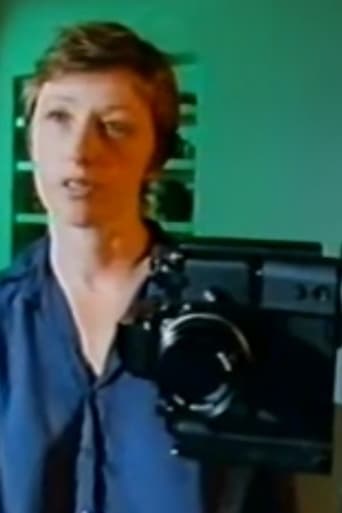
New York based artist, Cindy Sherman, is famous for her photographs of women in which she is not only the photographer, but also the subject. She has contributed her own footage to the programme by recording her studio and herself at work with her Hi-8 video camera. It reveals a range of unexpected sources from visceral horror to medical catalogues and exploitation movies, and explores her real interests and enthusiasms. She shows an intuitive and often humorous approach to her work, and reflects on the themes of her work since the late 1970s. She talks about her pivotal series known as the `Sex Pictures' in which she addresses the theme of sexuality in the light of AIDS and the arts censorship debate in the United States.
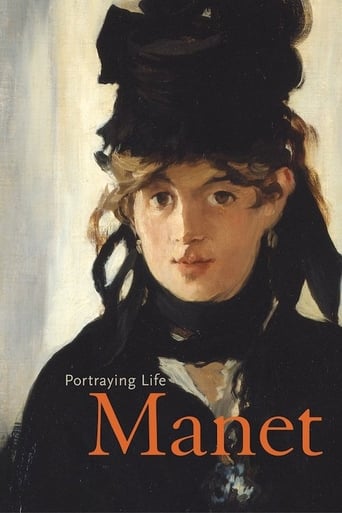
Manet’s portraits are rarely afforded such close attention as they are given in this exquisitely crafted and insightful film presented by art expert Tim Marlow. Manet’s portraiture comprised about half his work, giving life on canvas to family, friends and the literary, political and artistic figures of the day.