

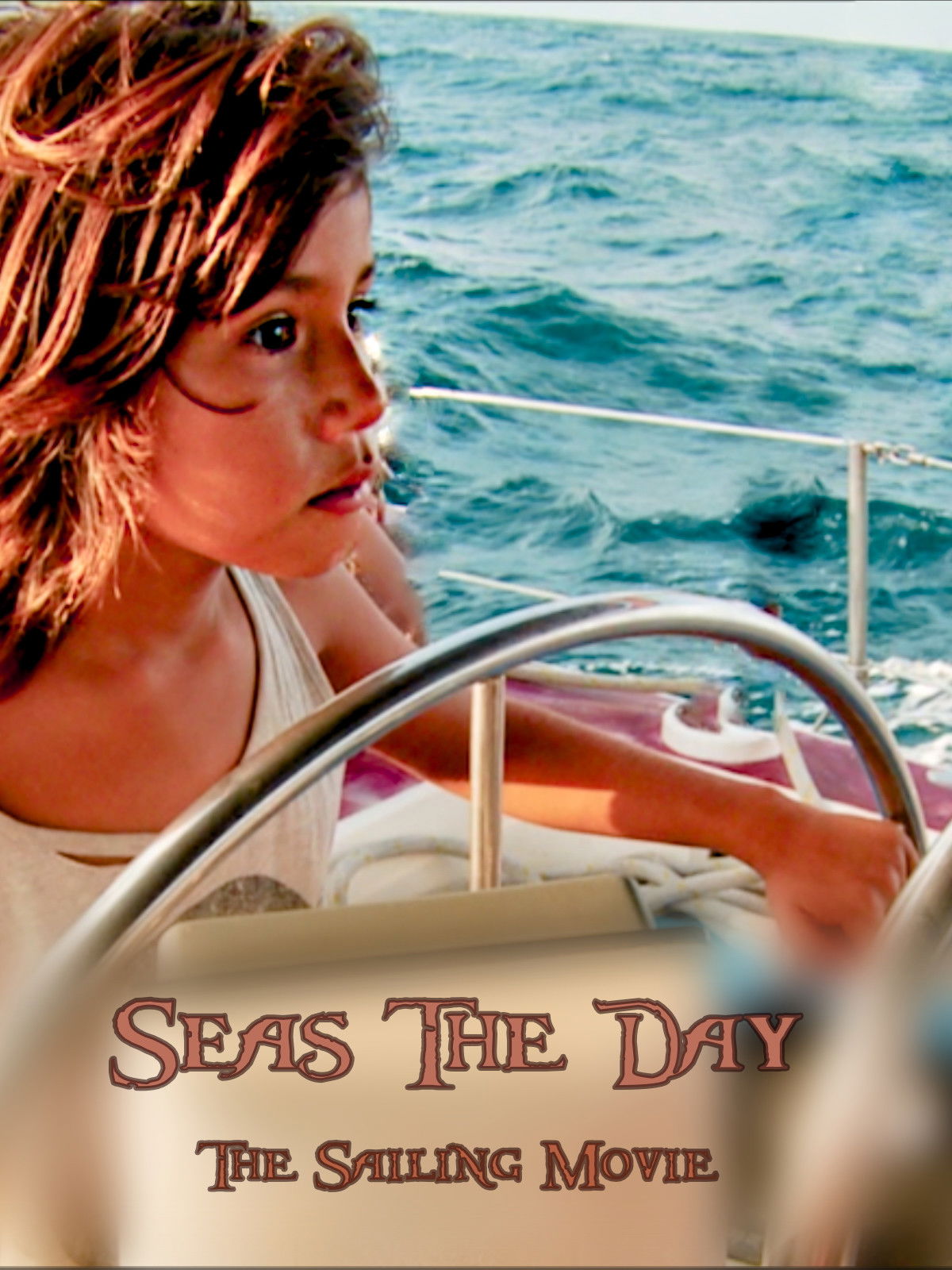
Seas the Day: The Sailing Movie
Documentary · Drama
Overview
Seas the Day: The Sailing Movie is a genre-defying documentary that blends real-world adventure with deeply human storytelling. It transcends typical sailing documentaries by blending docu-fiction with a narrative inspired by Joseph Campbell’s classic The Hero's Journey. Directed by Ryan Luskin, an anthropologist and teacher, the film follows his family's quest across sixteen countries, learning life skills from diverse cultures.
Top Cast











Saylen Savage
Saylen Savage
Himself
Saylen Savage
Himself
Sunny Savage
Sunny Savage
Herself
Sunny Savage
Herself
Ryan Luskin
Ryan Luskin
Himself
Ryan Luskin
Himself
Similar Movies
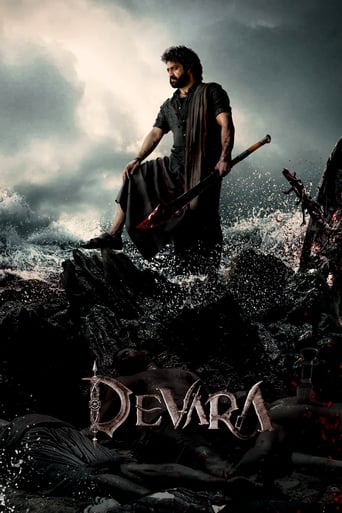
Devara, a fearless man from a coastal region, embarks on a perilous journey into the treacherous world of the sea to safeguard the lives of his people. Unbeknownst to him, his brother Bhaira is plotting a conspiracy against him. As events unfold, Devara passes on his legacy to his mild-mannered and timid son, Varada.
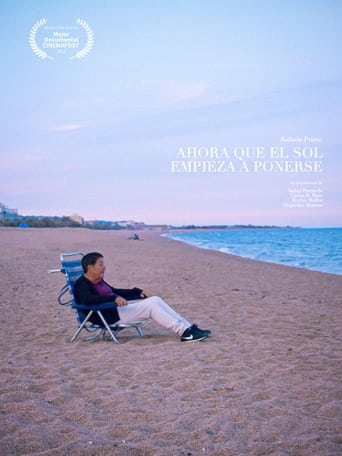
Rafaela, an 80-year-old woman, has a long conversation with her grandson, going over his path from childhood to old age. Now that she has been diagnosed with chronic breast cancer, faith is more present in her life than ever, which coexists with Rafaela's fear of death, and her grandson's fear of dying.
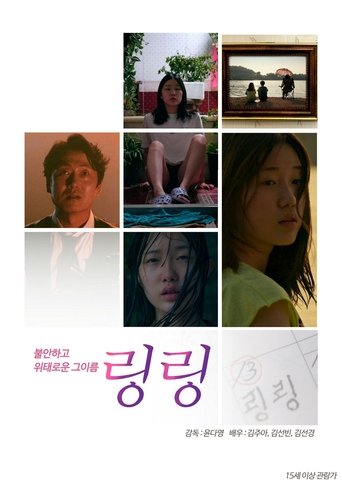
A storm is coming; the winds are getting strong. The real source of the ominous winds lies with Jina, who finds the strange word 'LingLing' written in her father’s notebook. She suspects he is cheating on her mother, who appears to be bored with life and fills the house with potted plants as if to show for her apathy. The film too is riddled with images of humid air and foul-smelling water, impure and overflowing. The sway of her father’s fishing pole and the flutters in Jina’s skirt seem perilous and unstable. When her anxiety and doubts finally come to a head, the family squarely face the rough downpour brought on by the storm. The director’s talent in boldly translating the characters desires and sensibilities into a narrative with powerful imagery is quite impressive.
Three generations of Youngseok’s family live together in a house. Even though his mentally ill grandmother’s time on this Earth is gradually running out, Youngseok is embarrassed by the way she behaves like a child in front of his friends despite her efforts to take care of him. The film displays the challenges of a family who live with a dementia patient, told from young Youngseok’s perspective. Dreamlike summer nights in the film evoke the innocence of childhood, and the gathering of dear friends and family.
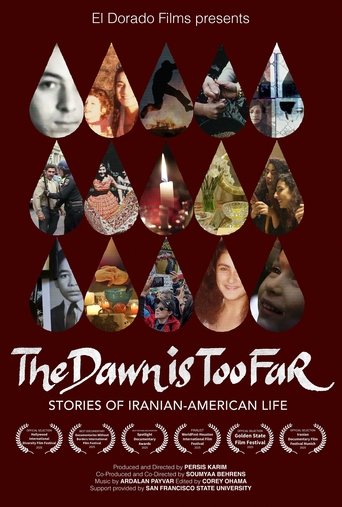
The Dawn is Too Far: Stories of Iranian-American Life poetically narrates the story of a community of Iranian Americans who have made the San Francisco Bay Area their home over the past five decades. The film explores Iranian immigration through turbulent histories of dissent, revolution, war, and separation, and the reinvention of identity in a new land and culture. The Dawn is Too Far highlights how Iranian students, activists, and artists have navigated displacement while drawing on and influencing Bay Area culture. This community offers a more nuanced story of the Iranian diaspora—the ways that this community enriches the region where they live, work, and build families. The Dawn is Too Far undermines the tired and overplayed news headlines that are dominated by narratives of enmity and mistrust between the government of Iran and the U.S., to offer a more humane understanding of the how people's lives and the sacrifices they make are part of the larger story of immigration.
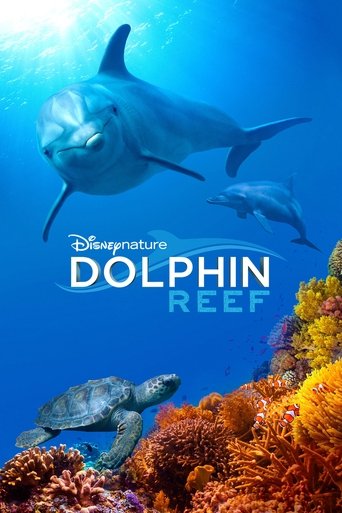
Echo is a youngster who can't quite decide if it's time to grow up and take on new responsibilities-or give in to her silly side and just have fun. Dolphin society is tricky, and the coral reef that Echo and his family call home depends on all of its inhabitants to keep it healthy. But Echo has a tough time resisting the many adventures the ocean has to offer.