


Miraculu Fu
Documentary · Drama
Overview
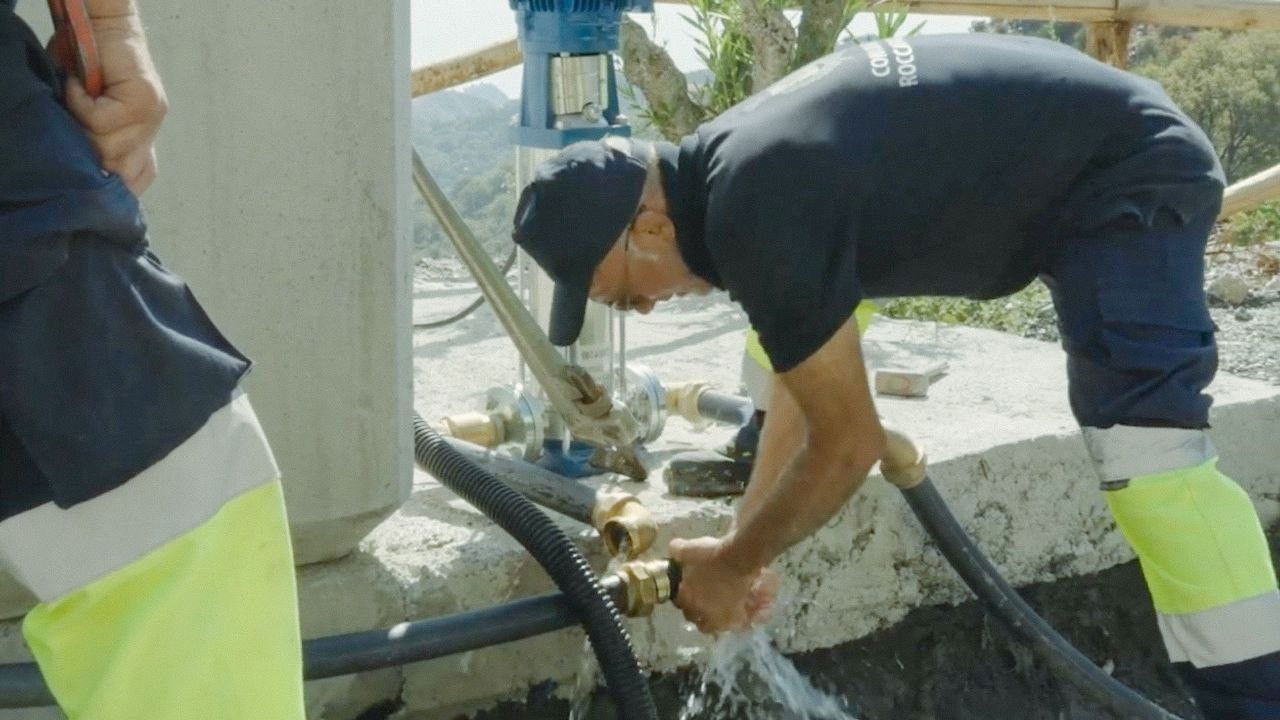
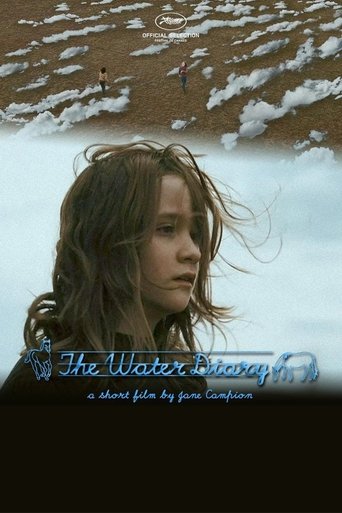
Against the backdrop of a Sicily in the midst of a water emergency, two residents of the small town of Rocca Fiorita tackle the problem, one relying on reason, the other on faith. Sebastiano, a farm owner, represents rationality. To prevent his horses from dying, he tries to call the municipality and force them to intervene at the main pump. Nerina, an Italian-American woman and fervent religious believer, decides to organize a special procession to ask for mercy from Our Lady of Help. The two opposing views will lead to a conflict between the two.








No cast information.
Similar Movies

“Let nature be nature” is the philosophy of the Bavarian Forest National Park. Despite massive resistance, this vision has become a groundbreaking showcase project. Because humans do not interfere with nature, the former commercial forests grow into a primeval forest, a unique ecosystem and a refuge for biodiversity. People from all over the world come here. They are looking for answers to the question of why we need more wild nature and what we can learn from it to preserve forests for future generations in times of climate change.
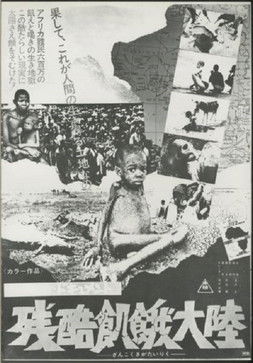
Cruel Famine Continent documents the Great Sahelian drought in West Africa and its effect on the people. The production was an attempt to pivot Toei's output from yakuza films and Toei Porn towards "global issues" and "whatever makes money", as stated by then-Toei president Shigeru Okada. Theatrical proceeds were to be shared as relief funds through the Japanese Red Cross, though the box office returns are unknown. Footage shot for the documentary by Yoshimitsu Banno would later be reused in the 1974 Toho production Prophecies of Nostradamus.
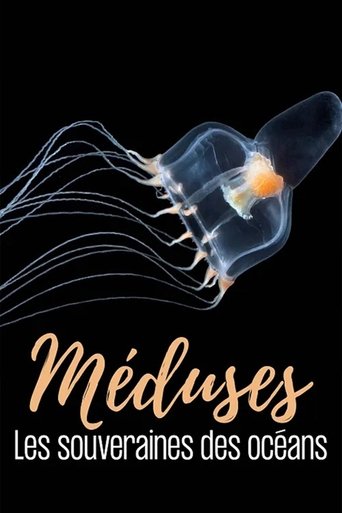
Jellyfish blooms are making headlines around the world. This is due to the damage they cause to tourism, fishing and our health. How can these creatures, which are over 98% water and have no shell, skeleton or brain, expand so rapidly? Although this is a normal stage in the life cycle of these gelatinous animals, we have to admit that blooms have become much more frequent and massive in recent decades. We're even witnessing jellyfish populations appearing in more and more regions where fish have been replaced by them, such as off the coast of Namibia, in the Black Sea, in the Sea of Japan and in certain areas of the Baltic Sea. What causes this? Why has the role of jellyfish in the ocean been underestimated, even though they outlived the dinosaurs? Are jellyfish on their way to dominating the oceans as they once did? What if they were to be the only ones left?
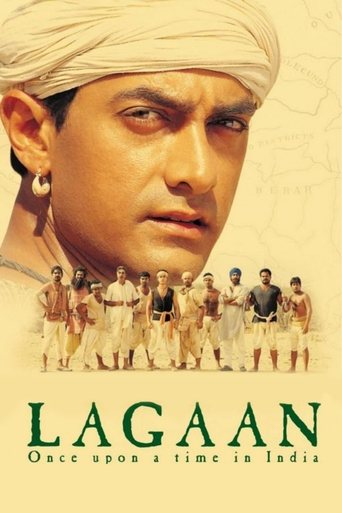
The year is 1893 and India is under British occupation. In a small village, the tyrannical Captain Russell has imposed an unprecedented land tax on its citizens. Outraged, Bhuvan, a rebellious farmer, rallies the villagers to publicly oppose the tax. Russell offers a novel way to settle the dispute: he challenges Bhuvan and his men to a game of cricket, a sport completely foreign to India. If Bhuvan and his men can defeat Russell's team, the tax will be repealed.
In 827 A.D., eager young warrior Tariq and a tight-knit band of Black soldiers are lured into war by a beguiling, exiled general looking to settle a score against the Emperor of the Eastern Roman Empire. To defeat the Romans, Tariq and his friends must sacrifice themselves to change the face of Europe, forevermore bringing a new culture to the continent and beginning two centuries of Moorish rule in Sicily.
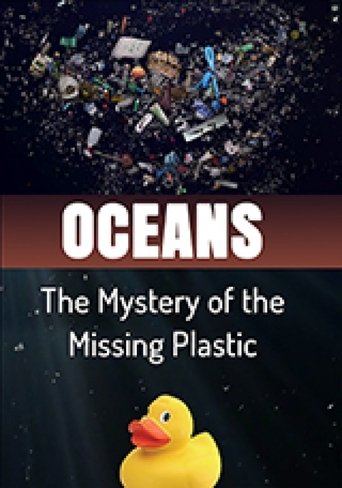
99% of the plastic that should be floating in the oceans is missing. Even accounting for the plastic that washes up on beaches or is trapped in arctic ice, millions of tonnes has simply disappeared. As most plastic never deteriorates, it simply breaks down into smaller and smaller particles that are invisible to the human eye, what happens to this missing ocean plastic is a mystery. In this investigation, scientists embark in search of the micro-plastics. Small, mostly invisible, toxic, they are home to the new ecosystem: the plastisphere. But where are they? Ingested by organisms? Buried under the ocean floor? Degraded by bacteria? And what is the impact of them entering the food chain?