

¡Cuba Sí!
Documentary · History
Overview
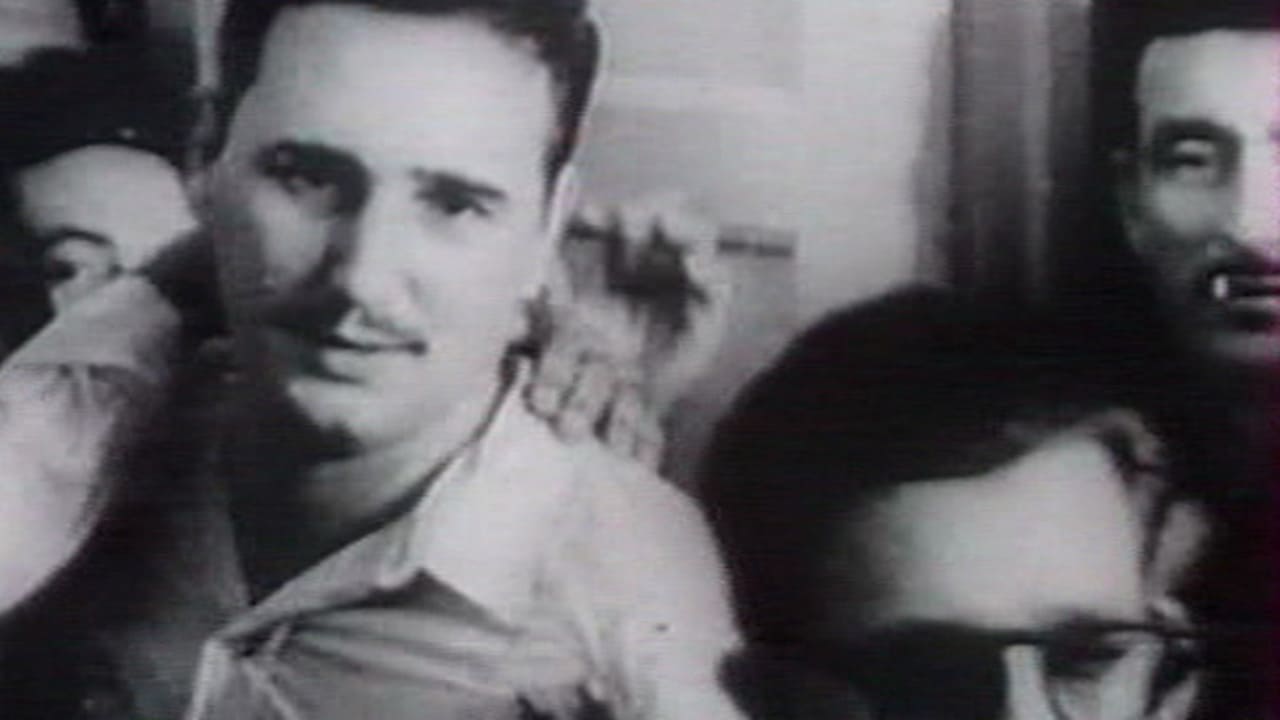
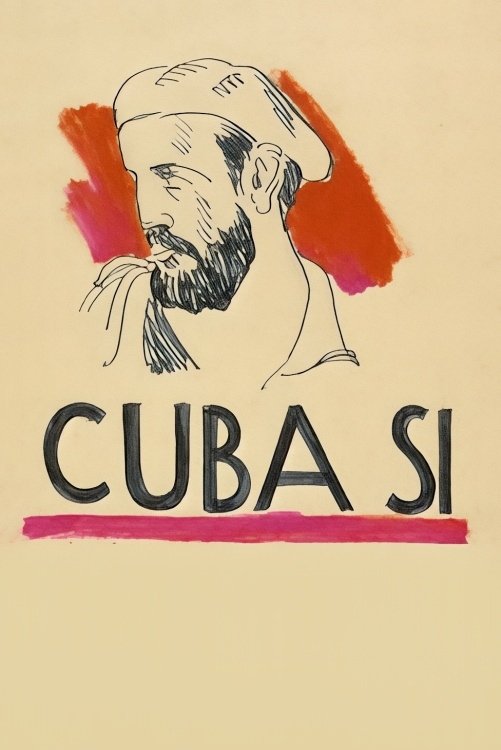
Chris Marker’s documentary traces the course of the Cuban Revolution, from its early optimism to the aftermath of the Bay of Pigs invasion. Through on-the-ground footage and interviews—including two with Fidel Castro—the film captures the spirit and contradictions of a nation in transformation.

Nicolas Yumatov
Nicolas Yumatov
Narrator (voice)
Nicolas Yumatov
Narrator (voice)
Étienne Lalou
Étienne Lalou
Interviewer
Étienne Lalou
Interviewer

Igor Barrère
Igor Barrère
Interviewer
Igor Barrère
Interviewer
Ignacio Biain
Ignacio Biain
Self - Franciscan Priest (uncredited)
Ignacio Biain
Self - Franciscan Priest (uncredited)
Fidel Castro
Fidel Castro
Self - Cuban Politician (uncredited)
Fidel Castro
Self - Cuban Politician (uncredited)
Similar Movies
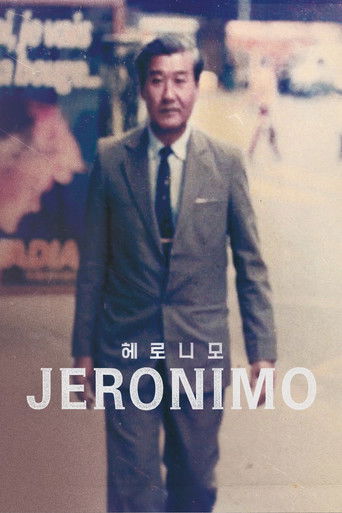
Born to Korean immigrant parents freed from indentured servitude in early twentieth century Mexico, Jerónimo Lim Kim joins the Cuban Revolution with his law school classmate Fidel Castro and becomes an accomplished government official in the Castro regime, until he rediscovers his ethnic roots and dedicates his later life to reconstructing his Korean Cuban identity. After Jerónimo's death, younger Korean Cubans recognize his legacy, but it is not until they are presented with the opportunity to visit South Korea that questions about their mixed identity resurface.
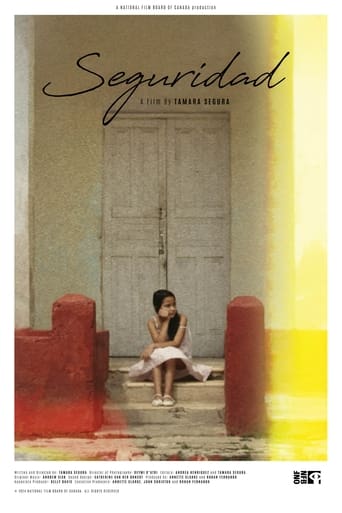
The Castro revolution was just consolidating its power when, in 1961, over 100,000 students were sent from their schools into the countryside to teach the peasants there how to read. Coinciding with the Bay of Pigs invasion, in this docudrama, 15-year-old Mario (Salvador Wood) has come to a tiny village in the Zapata swamps and gradually wins the villagers over to his task. At the same time, he receives an education in the realities of rural life from the hard-working peasants.
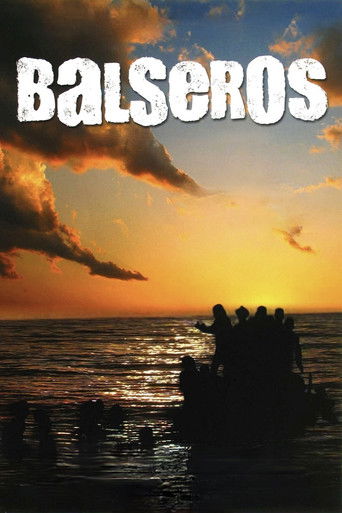
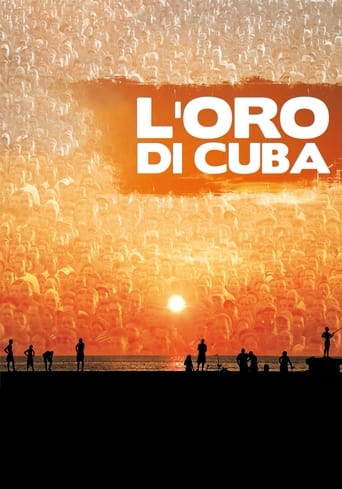
In the summer of 1994, a team of public television reporters filmed and interviewed seven Cubans a few days before their risky venture of setting out to sea in homemade rafts to reach the coast of the United States. Six made it far enough to be picked up at sea by the U.S. Coast Guard. When these balseros (rafters) were finally allowed to go to the United States, the film crew went with them to a string of several cities. Seven years later, the film crew visits them again, to discover that their destiny has been in the United States. Theirs is a true story about some of the authentic survivors of our times, the human adventure of people who are shipwrecked between two worlds.
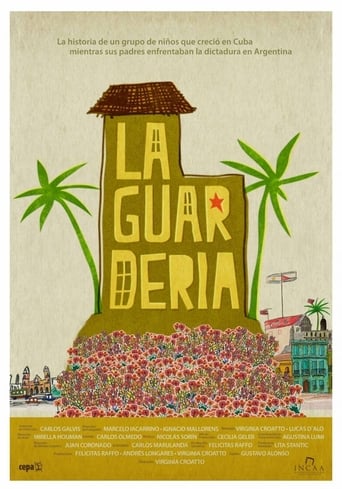
There was a time in Argentina, not so long ago, when the army wasn't only one, official, but many and made up by civilians. In those times of courageous youths determined to fight to the death for that cause upheld around Peronism as wll as some left-wing postulates, revolutionary Cubas was a beacon of hope in the world scheme -a Montonero nation. "A House in Cuba" seeks to recover the curious adventure of a couple of Montonero parents and their small children, who were lovingly sent into exile in order for their parents to take up arms.
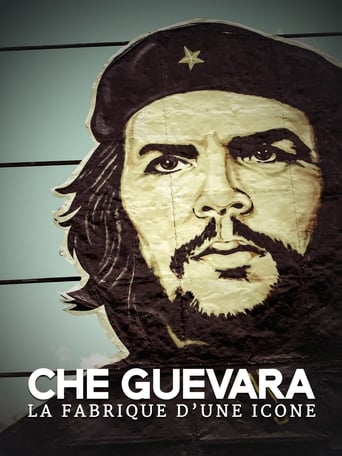
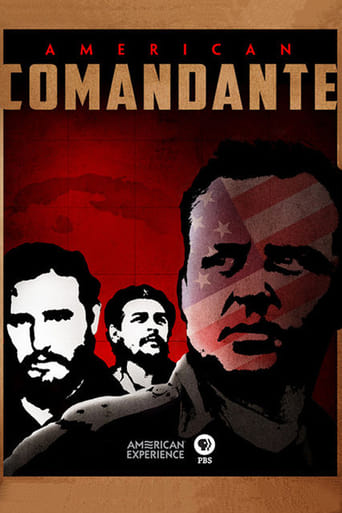
How does a politician – assassinated more than 50 years ago – gradually become a public figure? An extremely vibrant image which shows up where you least expect it. It served as figurehead for the Arab Spring revolutions, from Rabat to Sanaa, whereas we had thought it had been relegated to t-shirts and cigarette lighters. Why has this image become so universal that we are no longer surprised to find it in drawings, graffiti, tattoos and prints on all types of media in all sorts of contexts the world over? How can this image be used to advertise luxury automobiles and also be brandished angrily by indignant agitators? What is the formula that made this figure go viral? This documentary is a journey to investigate and decode a piece of iconography.
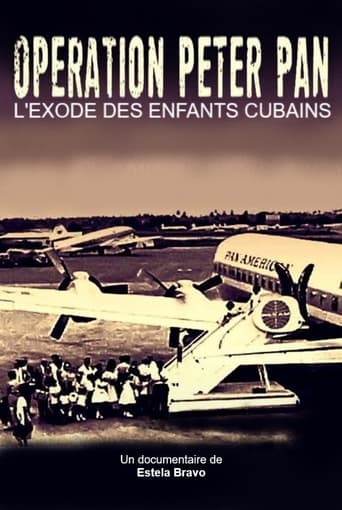
Between 1960 and 1962 more than 14,000 cuban children were sent alone by their parents to the USA. This clandestine operation -with the participation of the CIA and the Catholic Church- became known as "Operation Peter Pan". Many of the parents had expected to follow their children, who had been granted visa waivers by the US government, but the Missile Crisis terminated the flights between the two countries and the children found themselves stranded in the USA. In 2009, for the first time a group of the Peter Pan children, now adults visited Cuba to give "closure and make peace with the land where they were born".