


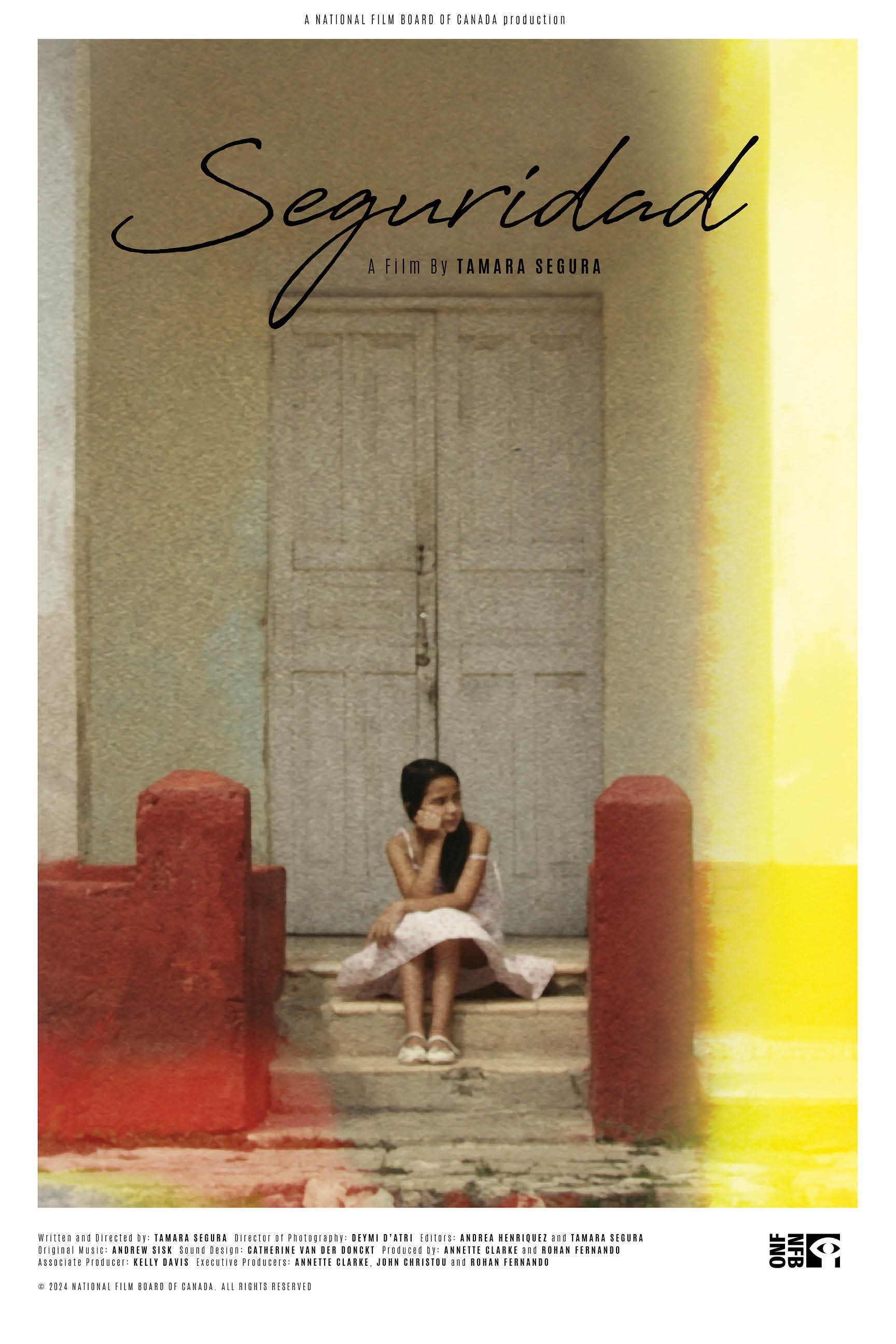
Seguridad
Documentary
Overview
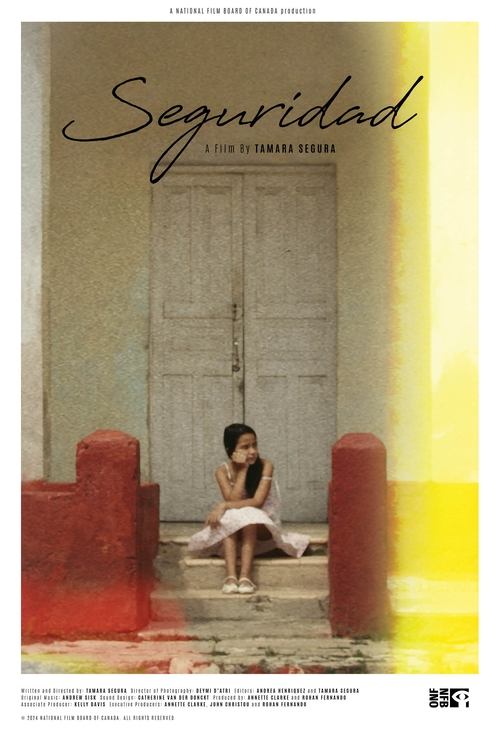
In her feature documentary Seguridad, Newfoundland-based filmmaker Tamara Segura—once named “Cuba’s youngest soldier” in a militia publicity stunt—portrays her troubled relationship with her father in the context of the Cuban Revolution. When Segura accepts a scholarship to study film in Canada, the move offers crucial distance from her alcoholic father. After four years, she returns to Cuba hoping to make amends. But her father’s sudden death just days after her arrival forces Segura to explore his troubled past and the role Cuba’s highly militarized system played in his downfall. Through a series of deeply personal on-camera interviews with her immediate family, Segura unearths long-held secrets that ultimately tell a story of resilience and profound love between family members. Seguridad artfully weaves a lifetime’s worth of still photographs into its intimate narrative, which offers a rare glimpse into the inner lives of Cubans in the post-revolutionary era.




Tamara Segura
Tamara Segura
Self / Narrator
Tamara Segura
Self / Narrator
Yolanda Mayo Garrido
Yolanda Mayo Garrido
Self
Yolanda Mayo Garrido
Self
Claribel Gonzalez T.
Claribel Gonzalez T.
Self
Claribel Gonzalez T.
Self
Gaspar Ramirez Segura
Gaspar Ramirez Segura
Self
Gaspar Ramirez Segura
Self
Mayte Segura Wong
Mayte Segura Wong
Self
Mayte Segura Wong
Self
Malena Doce Segura
Malena Doce Segura
Self
Malena Doce Segura
Self
Jesús Arévalo Marrero
Jesús Arévalo Marrero
Self
Jesús Arévalo Marrero
Self
Similar Movies
Born to Korean immigrant parents freed from indentured servitude in early twentieth century Mexico, Jerónimo Lim Kim joins the Cuban Revolution with his law school classmate Fidel Castro and becomes an accomplished government official in the Castro regime, until he rediscovers his ethnic roots and dedicates his later life to reconstructing his Korean Cuban identity. After Jerónimo's death, younger Korean Cubans recognize his legacy, but it is not until they are presented with the opportunity to visit South Korea that questions about their mixed identity resurface.
Afro-Cubans played a leading role in the fight to free Cuba from Spanish domination; as part of that struggle, slavery was abolished. Nevertheless, as African descendants began to achieve a semblance of social and economic parity, the plantocracy, backed up by the US army, sought to undo their gains. Determined to resist, veterans of the Mambi army formed the Party of Independents of Color, gaining wide popular support and ultimately threatening the domination of the white Cuban rulers. Their response was savage, and 6,000 Afro-Cubans were massacred; until this film, these events have been shrouded in silence.
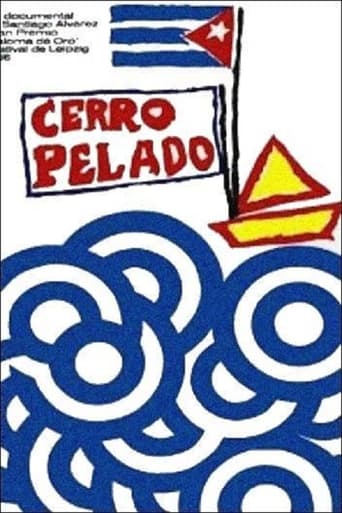
A ship of athletes training on the rough seas becomes a symbol of Castro’s Cuba, the games projected on the backdrop of political struggle. This is the story of a ship and of a sports delegation whom the enemy tried to stop from participating in the Tenth Central American and Caribbean Games.
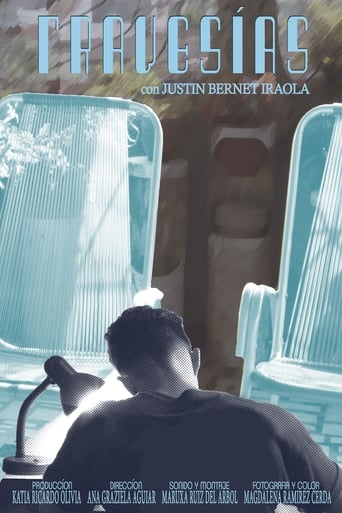
A love letter that unites Brazil and Cuba. In the film Travessias, the director goes on a long journey seeking to understand the feelings and transformations of a person who is close to her. On this path of doubts and concerns, she meets Justin, a trans man who will help her on this journey. With a poetic and self-referential look, the director invites us to rethink our own prejudices and limits in relation to the others.
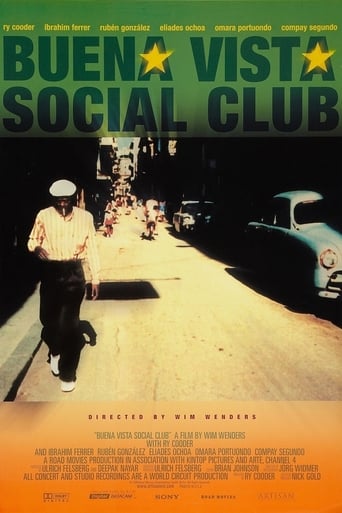
In this fascinating Oscar-nominated documentary, American guitarist Ry Cooder brings together a group of legendary Cuban folk musicians (some in their 90s) to record a Grammy-winning CD in their native city of Havana. The result is a spectacular compilation of concert footage from the group's gigs in Amsterdam and New York City's famed Carnegie Hall, with director Wim Wenders capturing not only the music -- but also the musicians' life stories.
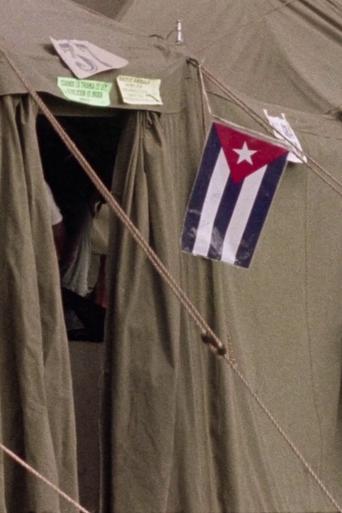
The story of a group of Cubans who arrived in Miami during the Mariel Boatlift and were housed in an improvised camp in the heart of the city. Everyone lived together —men and women, homosexuals and heterosexuals, separated only by cloth curtains that hung from ropes suspended between the beds, like floating walls.