

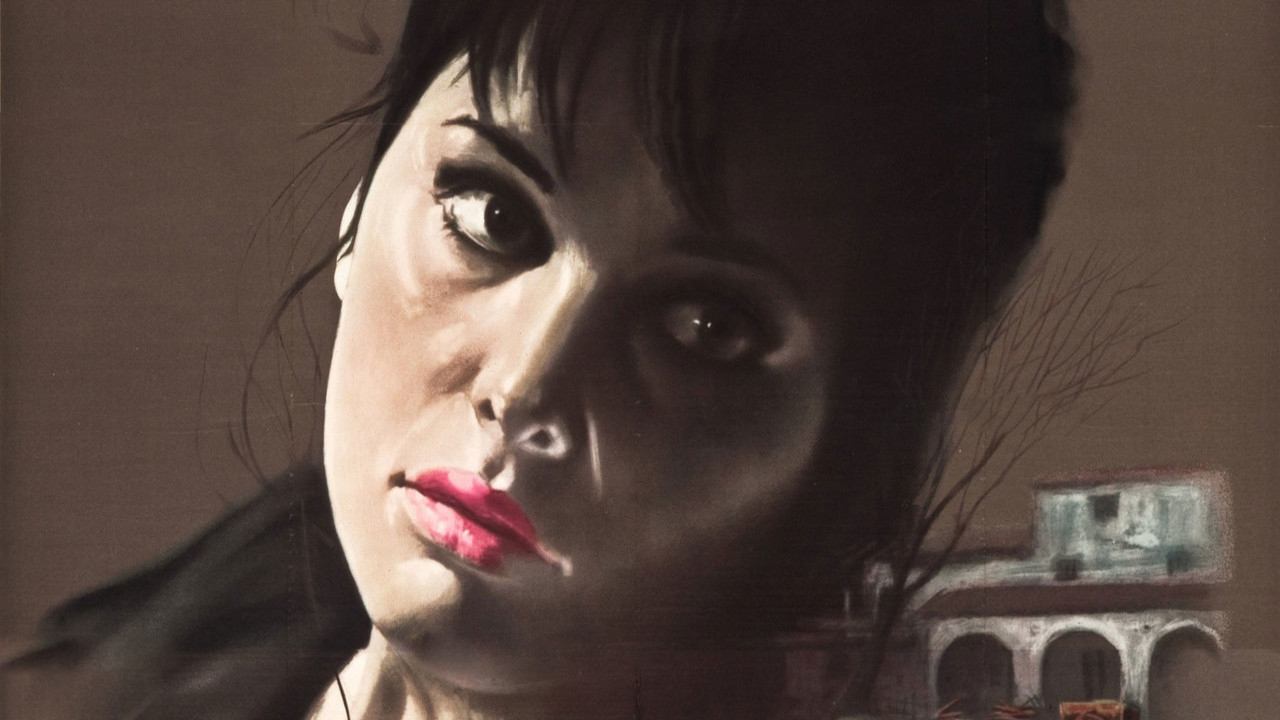
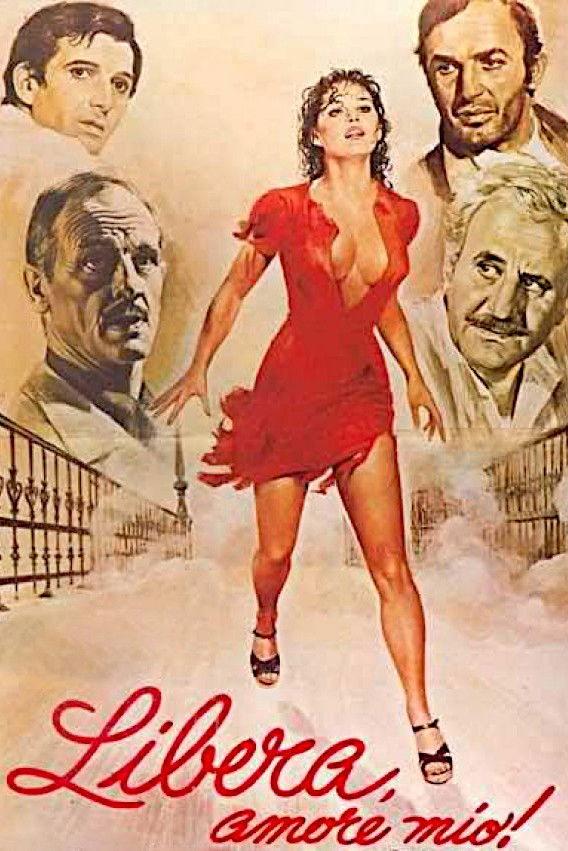
Libera, My Love
Drama
Overview
A strong-willed woman risks everything to support the cause of anti-fascism in World War II Italy.
Top Cast
Claudia Cardinale
Libera Valente
Bruno Cirino
Matteo Zanoni
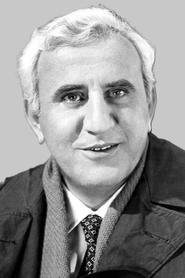
Adolfo Celi
Felice Valente - Libera's father
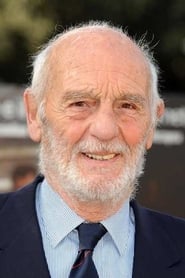
Philippe Leroy
Franco Testa
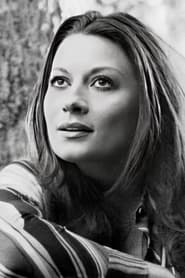
Rosalba Neri
Wanda, wife of Testa
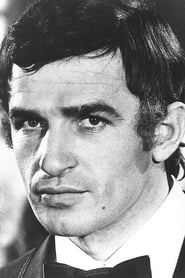
Bekim Fehmiu
Sandro Poggi
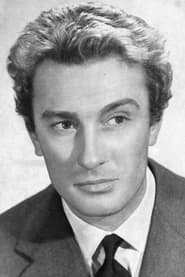
Franco Balducci
The police commissioner
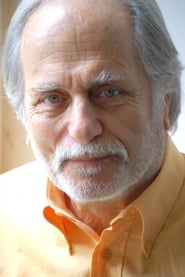
Luigi Diberti
Ceccarelli, the taxi driver
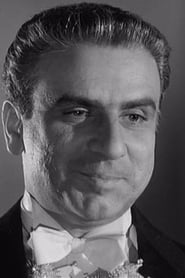
Tullio Altamura
Political Internee - afterwards CLN President
Eleonora Morana
The Fascist Teacher

Rosita Pisano
Matteo's Sister
Luigi Patriarca
Carlo - Libera's son, as a boy



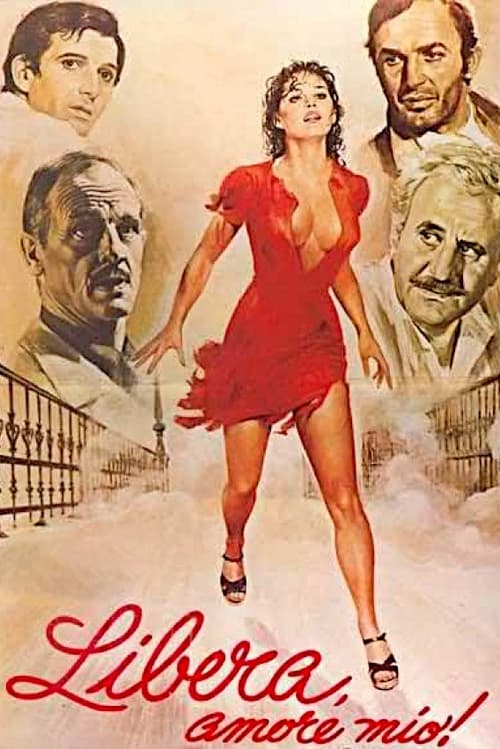
Claudia Cardinale
Claudia Cardinale
Libera Valente
Claudia Cardinale
Libera Valente
Bruno Cirino
Bruno Cirino
Matteo Zanoni
Bruno Cirino
Matteo Zanoni
Adolfo Celi
Adolfo Celi
Felice Valente - Libera's father
Adolfo Celi
Felice Valente - Libera's father
Philippe Leroy
Philippe Leroy
Franco Testa
Philippe Leroy
Franco Testa
Rosalba Neri
Rosalba Neri
Wanda, wife of Testa
Rosalba Neri
Wanda, wife of Testa
Bekim Fehmiu
Bekim Fehmiu
Sandro Poggi
Bekim Fehmiu
Sandro Poggi
Franco Balducci
Franco Balducci
The police commissioner
Franco Balducci
The police commissioner
Luigi Diberti
Luigi Diberti
Ceccarelli, the taxi driver
Luigi Diberti
Ceccarelli, the taxi driver
Tullio Altamura
Tullio Altamura
Political Internee - afterwards CLN President
Tullio Altamura
Political Internee - afterwards CLN President
Eleonora Morana
Eleonora Morana
The Fascist Teacher
Eleonora Morana
The Fascist Teacher
Similar Movies
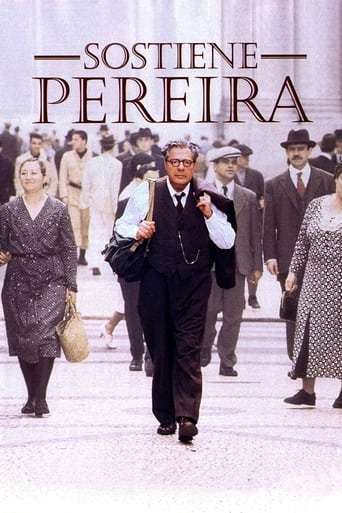
Lisbon, 1938. Mr. Pereira is the editor of the culture section of an evening paper. Although fascism is on the rise in Europe, like in nearby civil war Spain or even inside Portugal itself in the form of Salazar's regime, Pereira only concerns himself with writing bios and translating French novels. Things change after he hires a young writer as his assistant, getting to know also his girlfriend – both opponents to the regime – and reluctantly helps them when they begin to get in trouble for subversive activities. Eventually, he's forced to take a stand...
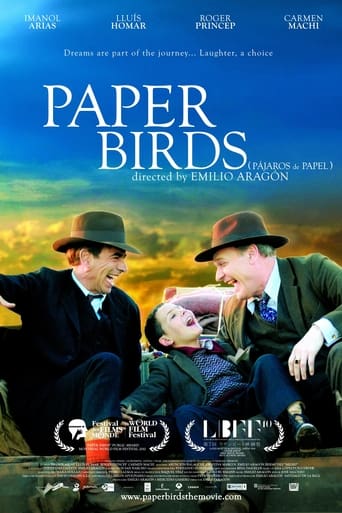
At the end of the Spanish Civil War, the members of a group of vaudeville performers have been stripped of everything: all they have left is hunger and the instinct to survive. Day after day, agonizingly, lost and helpless between the victors and the vanquished, the musician Jorge, the ventriloquist Enrique, the couplet singer Rocío and the orphan Miguel search tirelessly for something to eat and a safe place to live.
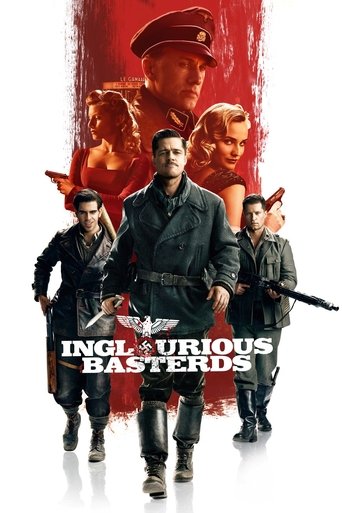
In Nazi-occupied France during World War II, a group of Jewish-American soldiers known as "The Basterds" are chosen specifically to spread fear throughout the Third Reich by scalping and brutally killing Nazis. The Basterds, lead by Lt. Aldo Raine soon cross paths with a French-Jewish teenage girl who runs a movie theater in Paris which is targeted by the soldiers.
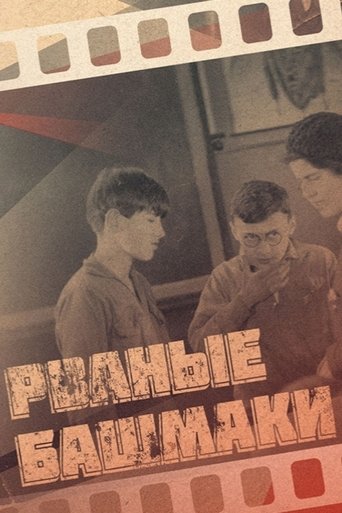
Working with children led Barskaya to create superb direct sound and an inspired style of shooting. Don’t look for conventional cinematic syntax here. The film is chaotic in the way that Soviet films still knew how to be, and Langlois couldn’t help but be seduced by its rebellious spirit, its anarchy and love of children, comparable to Vigo’s Zero de conduite. As well as being a film made with and for children, it offers a complex take on Western society. Pre-Nazi Germany is not named as such but is carefully reconstructed, possibly under advice from Karl Radek, and children offer a playful reflection of class struggle – doubly excluded, as proletarians and as minors. “They play in the same way that they live”, one intertitle says. The interaction between their comical games and the yet more ludicrous ones played by adults is developed on several levels.
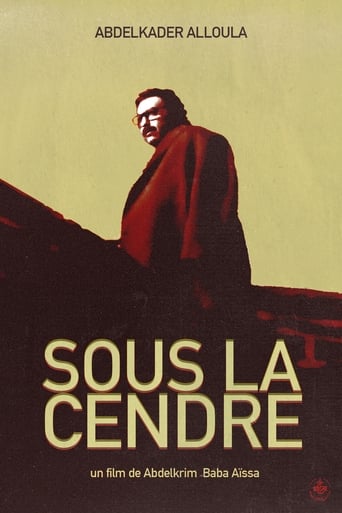
The Second World War. French authorities ban political parties and unions. In Algeria, the leaders of political and trade union organizations were arrested and interned in "surveillance" camps with more than 2,000 French and foreigners: communist activists, trade unionists, brigadists, Spanish republicans and other opponents of the Vichy regime. The Djenien Bourezg camp is one of these camps, located in southern Algeria and is one of the most formidable. An old activist for the Algerian national cause returns to the scene. He blows away the ashes that cover this part of history. And through it, we discover the hard fight of the camp inmates for respect and human dignity, under a fascist command.
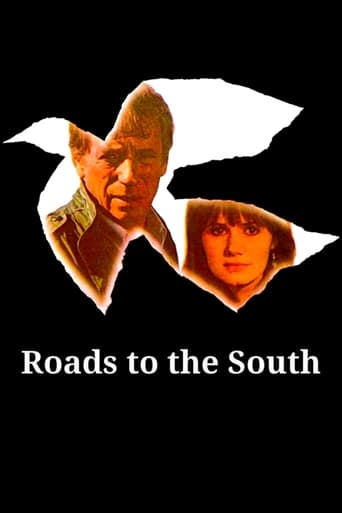
France, 1975. Jean, an exiled Spanish Communist, is a successful screenwriter who, after a tragic event, struggles with his political commitment, his love for his country, under the boot of General Franco, whose death he and his comrades have waited for years, and his complicated relationship with his son. (A sequel to “The War Is Over,” 1966.)