

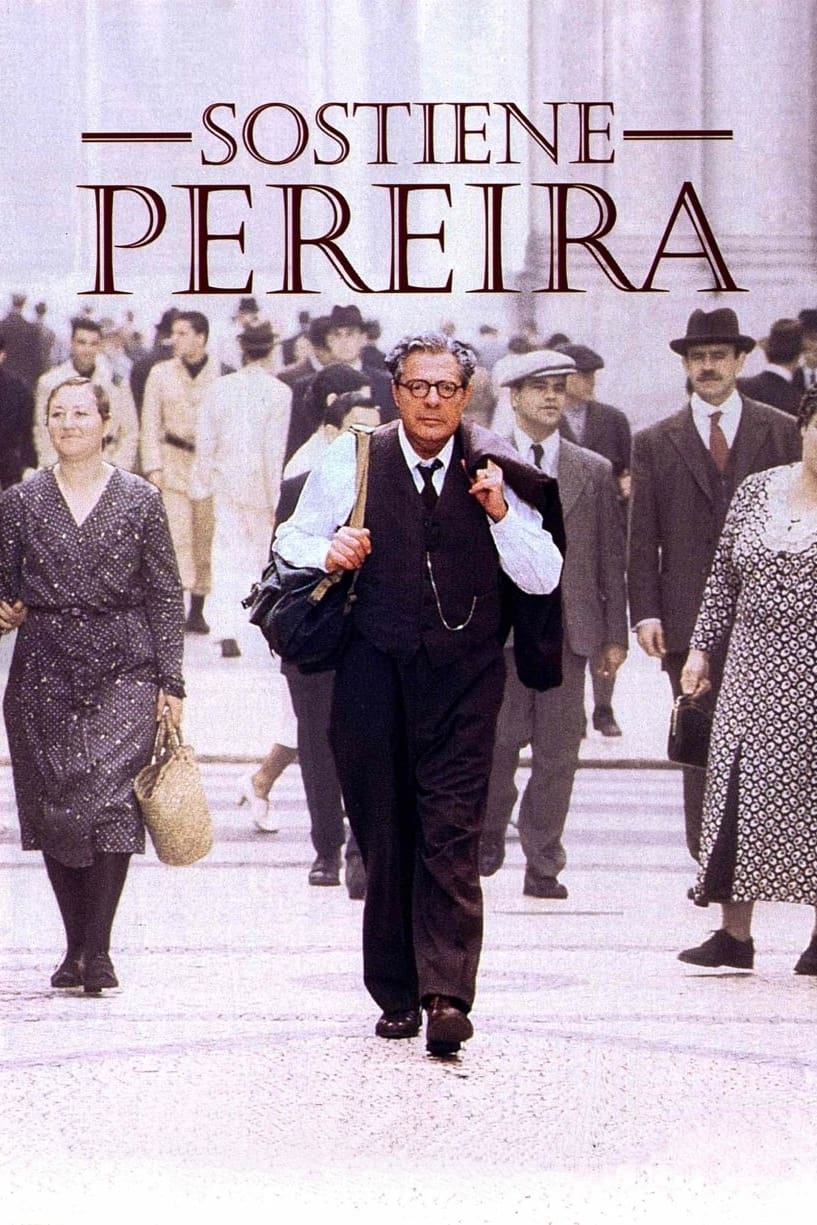
Pereira Declares
Drama
Overview
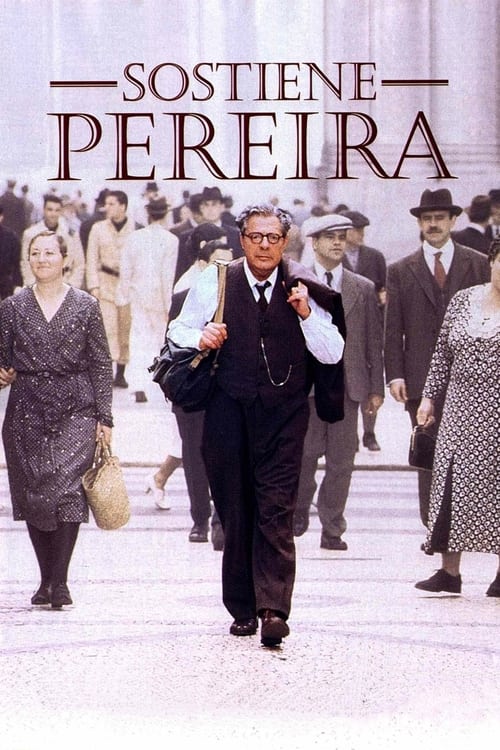
Lisbon, 1938. Mr. Pereira is the editor of the culture section of an evening paper. Although fascism is on the rise in Europe, like in nearby civil war Spain or even inside Portugal itself in the form of Salazar's regime, Pereira only concerns himself with writing bios and translating French novels. Things change after he hires a young writer as his assistant, getting to know also his girlfriend – both opponents to the regime – and reluctantly helps them when they begin to get in trouble for subversive activities. Eventually, he's forced to take a stand...






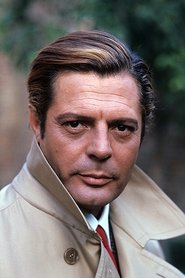
Marcello Mastroianni
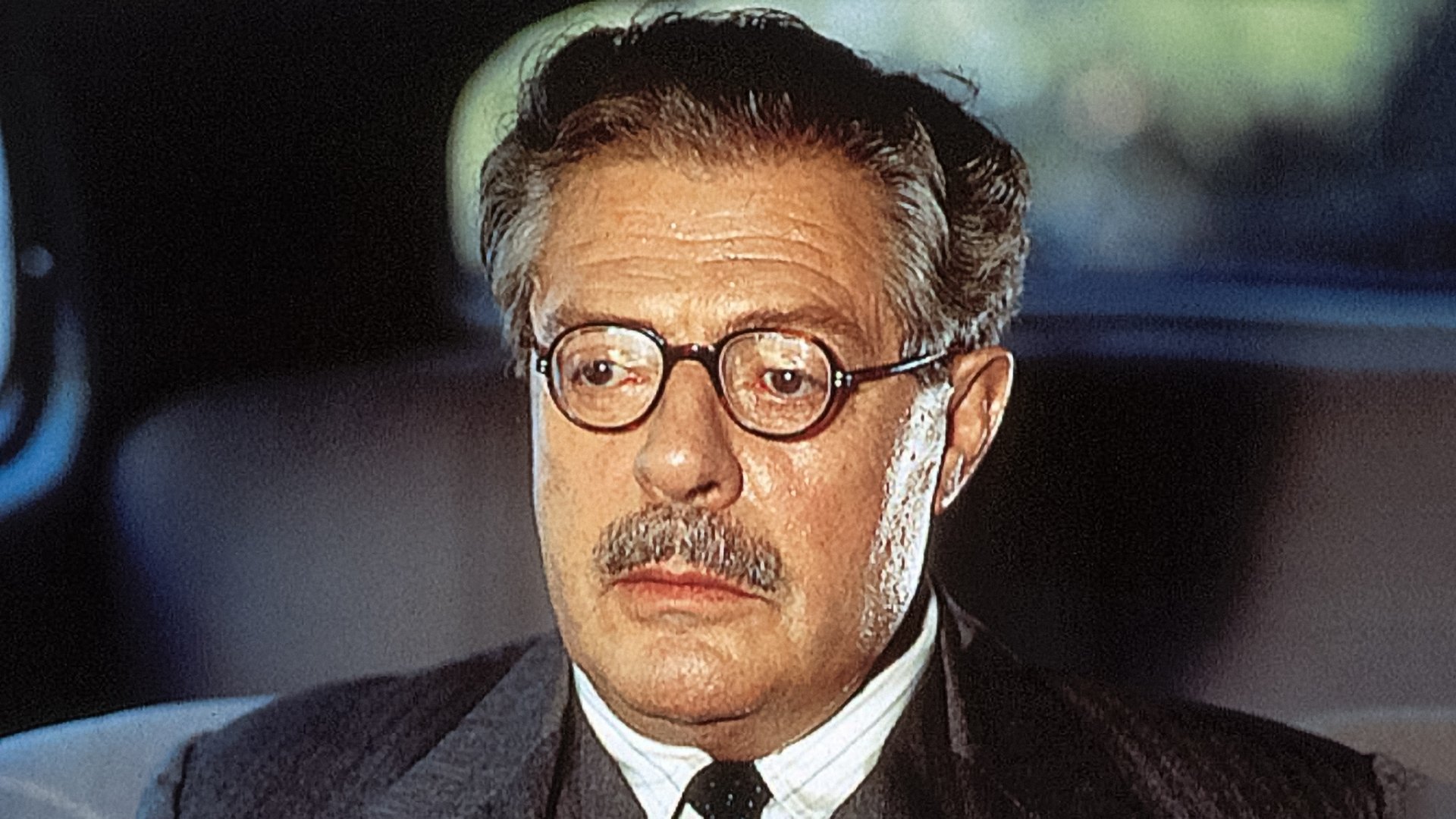
Marcello Mastroianni
Pereira
Marcello Mastroianni
Pereira

Stefano Dionisi
Stefano Dionisi
Monteiro Rossi
Stefano Dionisi
Monteiro Rossi

Nicoletta Braschi
Nicoletta Braschi
Marta
Nicoletta Braschi
Marta

Daniel Auteuil
Daniel Auteuil
Dr. Cardoso
Daniel Auteuil
Dr. Cardoso
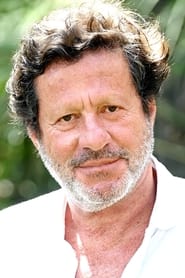
Joaquim de Almeida
Joaquim de Almeida
Manuel
Joaquim de Almeida
Manuel

Marthe Keller
Marthe Keller
Mrs. Delgado
Marthe Keller
Mrs. Delgado

Teresa Madruga
Teresa Madruga
Porter
Teresa Madruga
Porter

Nicolau Breyner
Nicolau Breyner
Father Antonio
Nicolau Breyner
Father Antonio
Filipe Ferrer
Filipe Ferrer
Silva
Filipe Ferrer
Silva
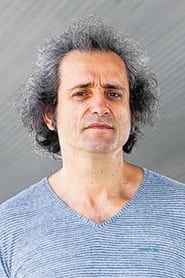
João Grosso
João Grosso
Police chief
João Grosso
Police chief
Similar Movies
Yorkshire, 1974. Fear, mistrust and institutionalised police corruption are running riot. Rookie journalist Eddie Dunford is determined to search for the truth in an increasingly complex maze of lies and deceit surrounding the police investigation into a series of child abductions. When young Clare Kemplay goes missing, Eddie and his colleague, Barry, persuade their editor to let them investigate links with two similar abductions that draw them into a deadly world of secrecy, intimidation, shocking revelations and police brutality.
In Alexandria, in 1938, Darley, a young British schoolmaster and poet, makes friends through Pursewarden, the British consular officer, with Justine, the beautiful and mysterious wife of a Coptic banker. He observes the affairs of her heart and incidentally discovers that she is involved in a plot against the British, meant to arm the Jewish underground in Palestine. The plot finally fails, Justine is sent to jail and Darley decides to return to England.

Sofia grew up taking refuge in the river of the village where her grandmother, Salomé, lives. The lightness of summers spent swimming comes to an abrupt end with Salomé's death. Sofia returns to an empty home that is nothing more than a reminder of old routines and mismatched ways of showing love. But, led by the memory of a moment of courage long gone, she is confronted with a final encounter in the night.
Against a background of war breaking out in Europe and the Mexican fiesta Day of Death, we are taken through one day in the life of Geoffrey Firmin, a British consul living in alcoholic disrepair and obscurity in a small southern Mexican town in 1939. The consul's self-destructive behaviour, perhaps a metaphor for a menaced civilization, is a source of perplexity and sadness to his nomadic, idealistic half-brother, Hugh, and his ex-wife, Yvonne, who has returned with hopes of healing Geoffrey and their broken marriage.
For 16 years Miss Bentley has been spending April at an elegant hillside villa on Lake Como. This year, 1937, her London society artist father has recently died and the only other English-speaking guests are brash Americans. Then Major Wilshaw arrives. He suggests they meet for cocktails and Miss Bentley stands him up -- not even thinking about it -- as she helps the new nanny of an Italian family settle in. Miss Beaumont, a tall, young American who has dropped out of finishing school in Switzerland, is bored and finds some amusement in flirting with the major, whose libido is awakened for the first time since before the great war. And Miss Bentley now finds more about the major to admire than his ears.