

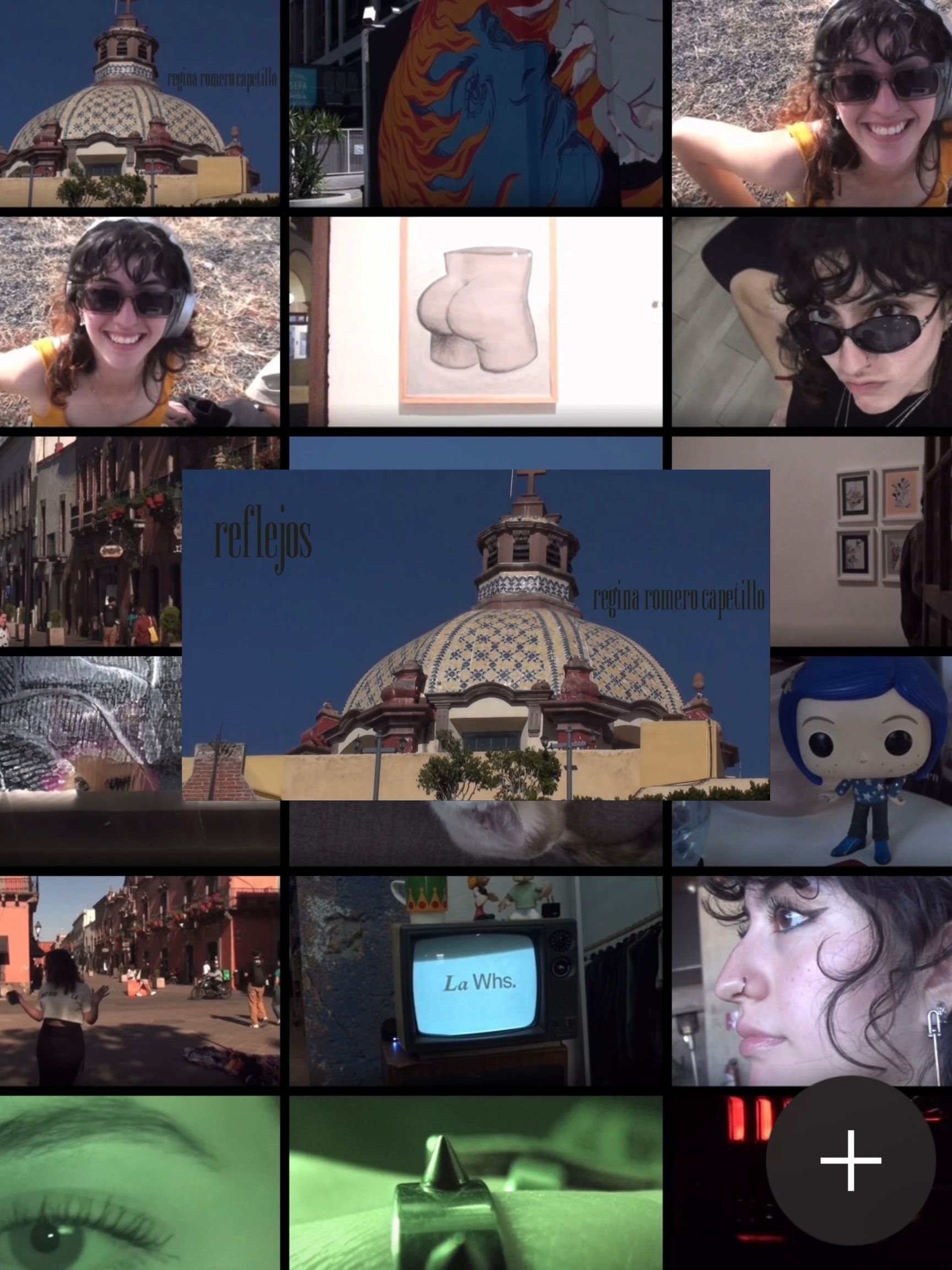
reflejos
Documentary
Overview
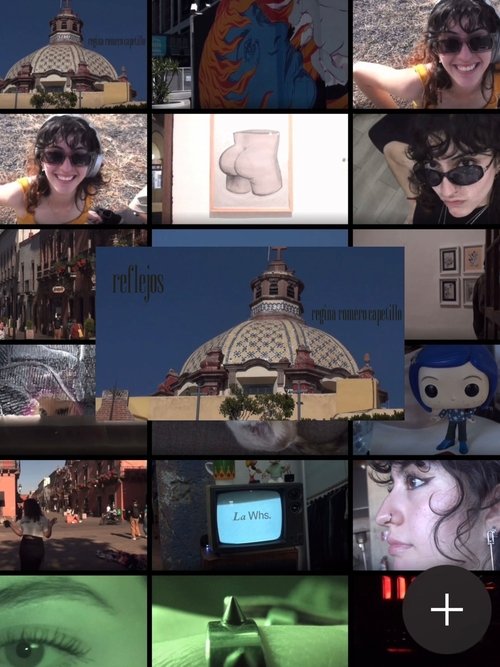
Video essay about reflections in identities, spaces, using comparisons with the people in her life. How do we express ourselves? What influences us? Are we reflections of what we experience? Of what we see? Of who we know?
Top Cast





Regina Romero Capetillo
Regina Romero Capetillo
Self
Regina Romero Capetillo
Self
Dafo Orellana
Dafo Orellana
Self
Dafo Orellana
Self
Similar Movies
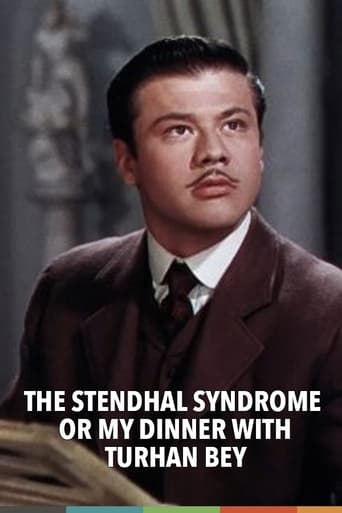
Joan Crawford's close-up in Humoresque. Michelangelo's David and Boticelli's "Birth of Venus". Stendhal was overwhelmed by the cultural overstimulation in Florence, which Graziella Magherini described scientifically in 1979 as Stendhal syndrome. Mark Rappaport describes his fascination for the Austrian actor Turhan Bey, who made a career in exotic roles in Hollywood in the 1940s. A very personal essay about the effect of close-ups, the canvas idols of the dream factory and the role of their admirers and fans.
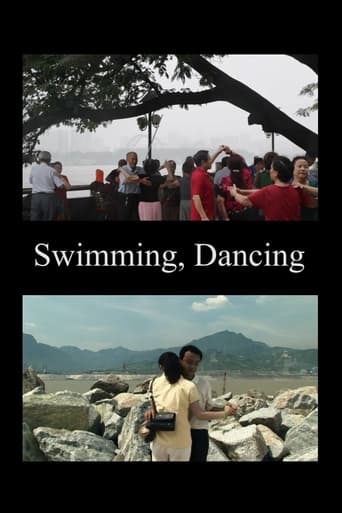
Swimming, Dancing examines audiovisual representations of the Yangtze (1934–present), from silent film to video art to the contemporary vlog. Inspired by the city symphonies of the 1920s, Swimming, Dancing pieces together a “river symphony”, evoking the images, sounds and contradictions that make up the river’s turbulent history.
The film follows journeys of observational tours solicited by the Palestinian Museum and conducted by two professors from Birzeit University to collect photos of and information on the Palestinian Flora. The title is adapted from a collection of 123 images (circa 1900 to 1920) of wild flowers in Palestine found in the Matson Collection in the Library of Congress. Despite the tendency to trace the wild plants, the text in general aims at questioning the territorial extension of what is meant by the term “Palestinian”, while standing on insignificant topographical features of the (postcolonial) landscape in West Bank. Furthermore, it addresses photography as a practice and a tool of distributing and restricting information at once.
Ten years after the death of iconic French filmmaker, Chris Marker. A filmmaker, hoping to rediscover that unique sensibility against the uncertainty of the new century, returns to the places synonymous with those incomparable and unforgettable films-- From the cat cemetery of Sans Soleil, to the mausoleum of The Last Bolshevik; The caves of Level Five to the rooftops of The Case of the Grinning Cat. A biographical portrait of one of the 20th century's greatest and most misunderstood filmmakers.
A psychotic filmmaker named Philip summons a manifestation of Stanley Kubrick into his apartment to confront him on the depiction of mental illness in his filmography. Kubrick's obsession with 'crazy' characters who meet an untimely death disturbs Philip, who wishes he could see Kubrick characters who manage their illness. The two directors go on a journey into Kubrick's films to understand insanity in our modern era.
A desktop documentary that focuses on the Golden Record that NASA sent into space in the late 1970s. The piece reflects on issues such as the power of scientific discourse to produce revisions of the world, the evolution of the concept of the archive and the resignification of borders in the rhetoric of space colonialism.
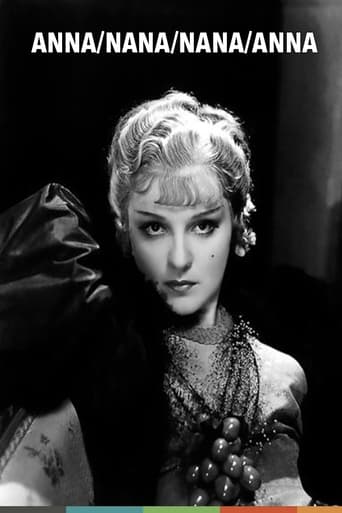
What could have happened – what should have happened – if two giants in film history, like Greta Garbo and Sergei Michajlovič Eisenstein, could have declared their love for each other? The world's most famous actress, an honorary Russian citizen of cinema for her many performances; the world's most radical director, who could have immortalized her face in one of his famous close-ups? Sphinx Garbo did not want to be alone: she just wanted to marry the great Sergei. Perhaps she could have played Trotsky or Pancho Villa in one of his films. Perhaps their friends Charlie Chaplin, Walt Disney and Josef von Sternberg would have approved their love. Maybe they could have had a child together. Maybe all this could still have happened, in a Mark Rappaport film.
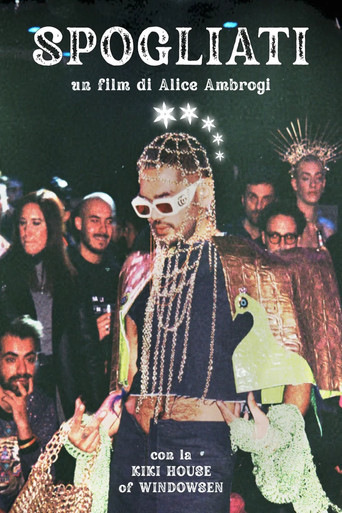
A documentary that explores the reality of the LGBTQIA+ community through the perspective of those who, excluded from their families of origin, have built new bonds and forms of belonging. At the center of the film is the House of Windowsen, an emerging presence in the Italian ballroom scene, made up of Gian, the overall father, Morgan Sasha, and Concetta. Following their lives between Milan, Rome, and Naples, the film weaves together personal experiences and shared journeys, offering a direct portrait of ballroom culture and the dynamics of a chosen family that is atypical and non-nuclear. It is a narrative that highlights identities, relationships, and the need to create a space in which to exist.
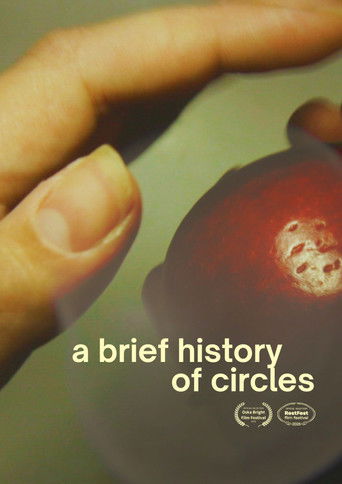
A collage-style video essay that explores the idea of love through touch. Guided by fragments of films, paintings, photographs, and other visual images, a sensorial and poetic narrative is constructed around the protagonists of Alan Stephens Foster's painting "The Fall." Like a moving moodboard, the work connects different artistic and cultural expressions to portray gestures of affection, desire, care, and presence between diverse bodies. All of this through the hands.