

Andrei Tarkovsky: WATER
Documentary · Drama
Overview
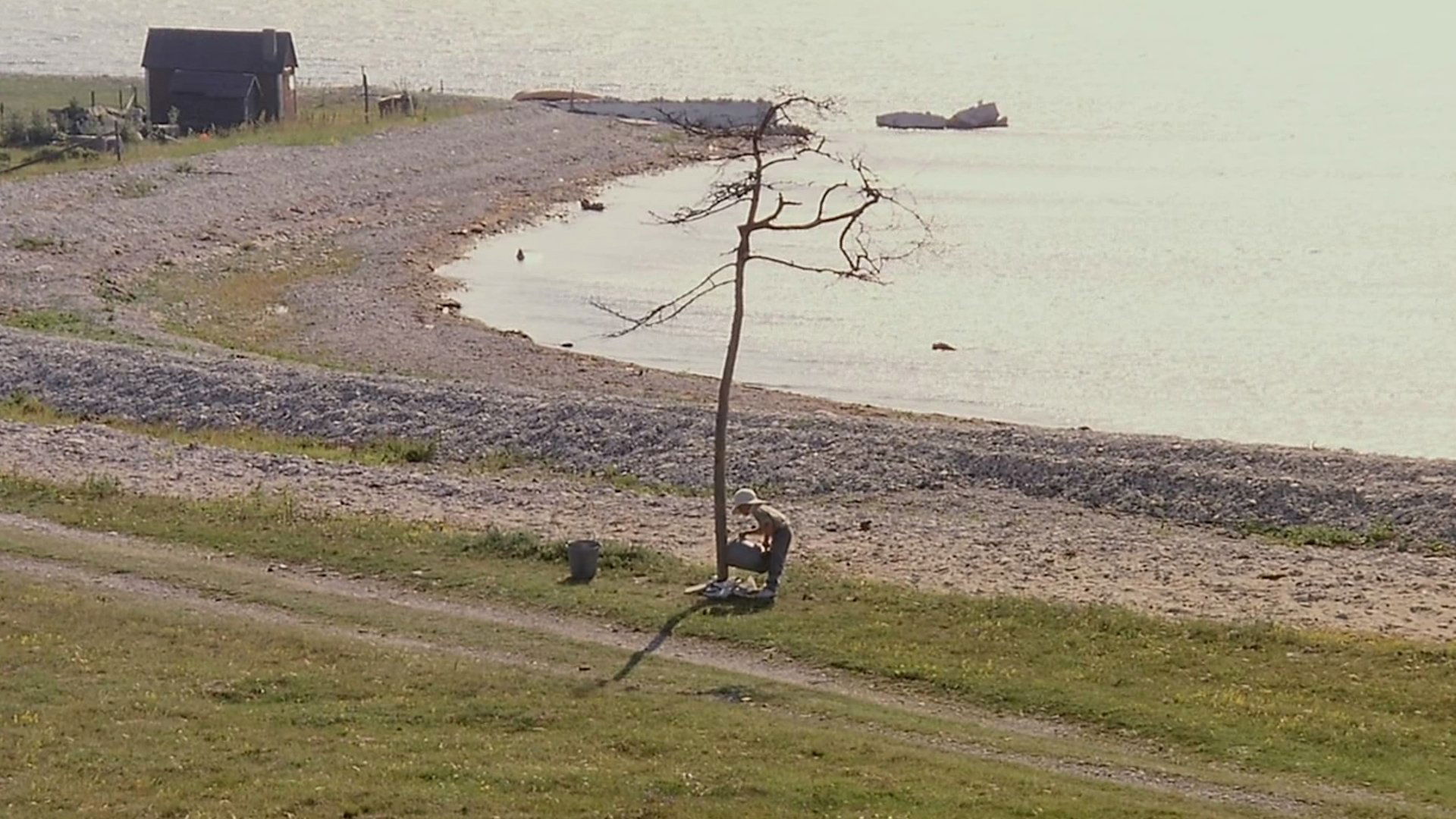
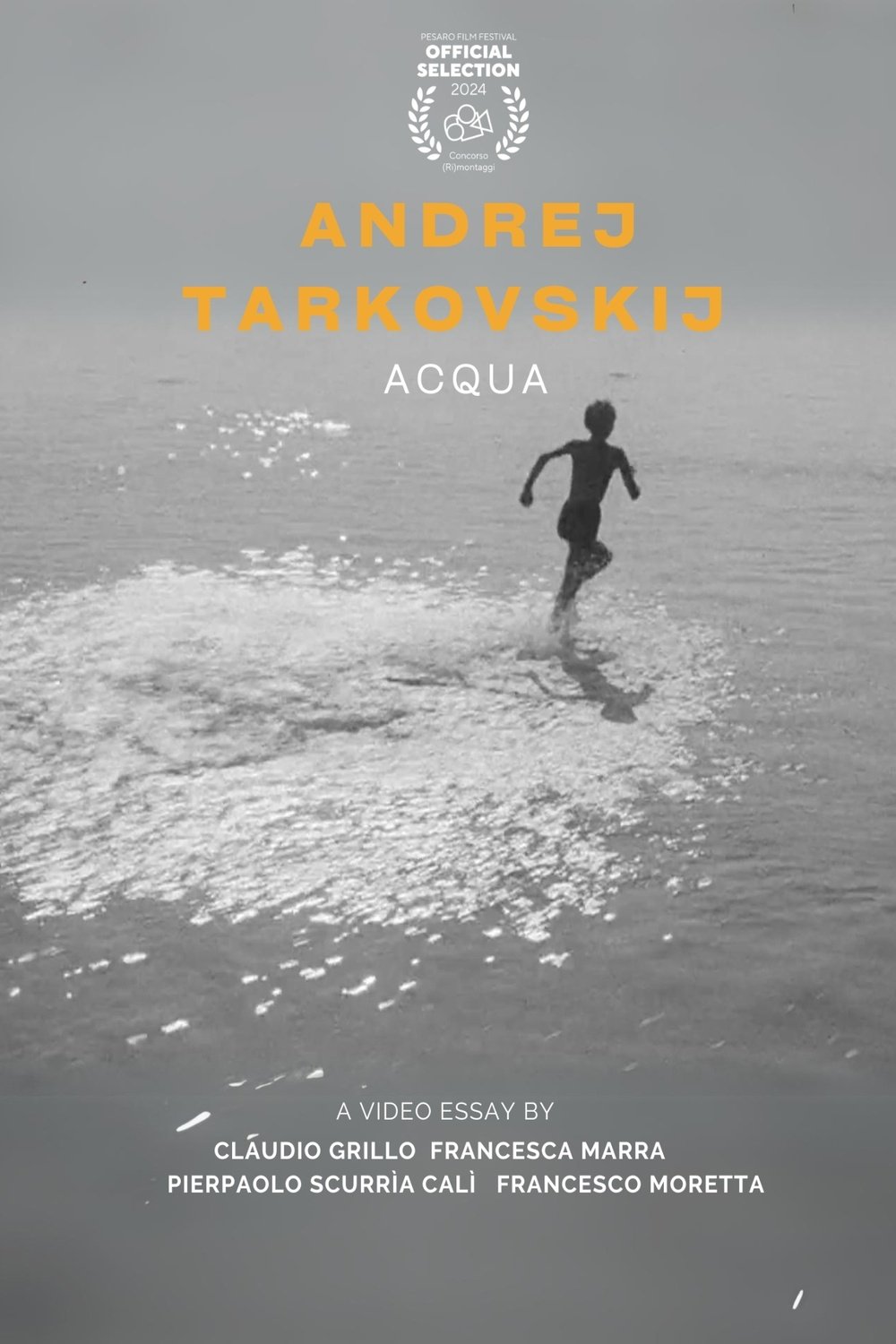
A visual and interpretative journey through the filmography of Andrei Tarkovsky, in search of the hidden meaning behind the recurring presence of water — a central and mysterious element in his work. This video essay analyzes the scenes in which water appears, organizing them by theme: from everyday actions to metaphysical moments. An attempt to understand whether, behind the poetry of natural elements, lies a deeper message from the russian filmmaker.



No cast information.
Similar Movies
Swimming, Dancing examines audiovisual representations of the Yangtze (1934–present), from silent film to video art to the contemporary vlog. Inspired by the city symphonies of the 1920s, Swimming, Dancing pieces together a “river symphony”, evoking the images, sounds and contradictions that make up the river’s turbulent history.
The coronavirus is affecting the entire planet, killing thousands, changing the way we see the world and pushing our societies to rethink its habits deeply. One habit to improve above all others to be able to win the fight against this new common enemy is… hand-washing. But what about those places where fresh water is not a given primary commodity
After a diving excursion in the middle of the ocean, Lindsey is viciously sexually assaulted by Bruce, her instructor. She fends him of and they fall overboard into the water. Bruce grabs her and sinks her to the depths of the ocean. In this spiral of violence, she has no way to breathe.
Joan Crawford's close-up in Humoresque. Michelangelo's David and Boticelli's "Birth of Venus". Stendhal was overwhelmed by the cultural overstimulation in Florence, which Graziella Magherini described scientifically in 1979 as Stendhal syndrome. Mark Rappaport describes his fascination for the Austrian actor Turhan Bey, who made a career in exotic roles in Hollywood in the 1940s. A very personal essay about the effect of close-ups, the canvas idols of the dream factory and the role of their admirers and fans.
Dedicated to the 80th anniversary of Andrei Tarkovsky. The film uses unique materials related to the years Tarkovsky spent in Italy, personal accounts of friends and professionals, the shooting locations of his films, to what degree his works reflects his personal life. The film brings us closer to the man to whom contemporary filmmaking owes so much.
The decision to move to Holland doesn't sound like a wise idea. Why move to a country that could be flooded at any moment? For the last 25 years, the political climate has shifted. The public debate on migration has become harsher, more heated, and polarized. What would have been considered right-wing xenophobia back then, is now considered mainstream. Populists simplify complex realities into good and evil, victims and perpetrators: ‘us’ versus ‘them’. Their rhetoric often consists of dehumanizing words and metaphors. One of these is ‘water’. In reality, water is not an immediate threat to the average Dutch person; but it is a huge threat to the thousands trying to reach the Netherlands. People trying to survive the Mediterranean Sea in rubber boats. Trying to survive winter on the Aegean coast in primitive tents. To them, water really is deadly.