

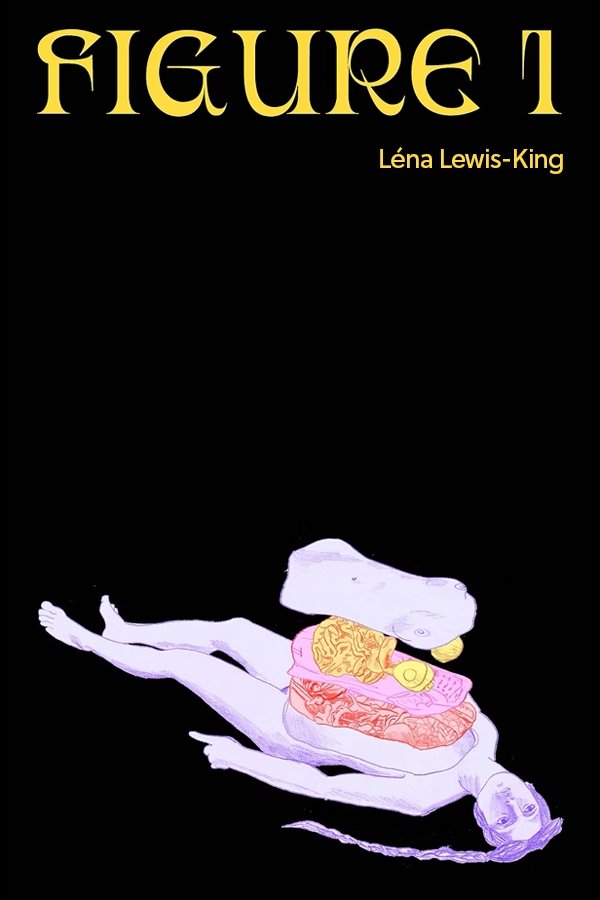
Figure 1
History · Animation · Documentary
Overview
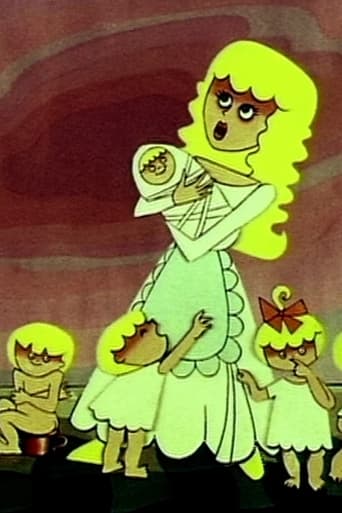
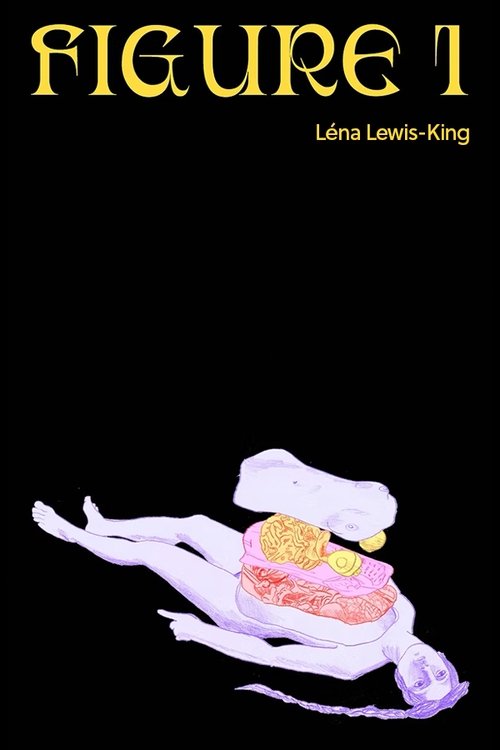
'Figure I' uses a feminist perspective to frame and deconstruct patriarchal techniques of control. This film asks: how was a patriarchal gaze construct-ed, and how has it come to effect biological processes? How have specific tools (like Dürer's Grid) come to shape our technological present and possible futures? Are modern Western scientif-ic/mathematic/technological/medical structures rooted in extractive patriarchal philosophies? 'Figure 1' is composed of re-drawn illustrations of allegorical art historical paintings and etchings, alongside archival footage, Obstetric photography, and rotoscoped animation.


No cast information.
Similar Movies
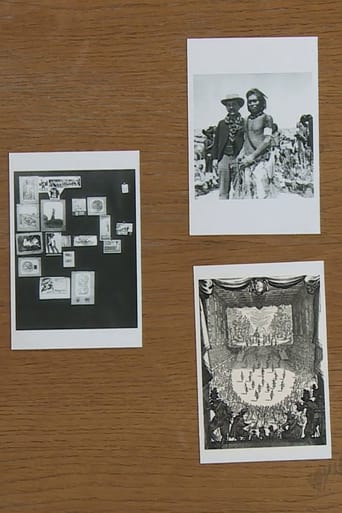
To be in Venice and see the architecture of New York, to perceive in a painting by Tintoretto the birth of animated images, to look at the burlesque Cretinetti as the ancestor of montage - so many shifts, displacements, and striking telescopings that Philippe-Alain Michaud proposes in this film dedicated to him. To follow this art historian, curator of the cinema collections at the Centre Pompidou, is to go from the oriental carpet to the film, or from the first fireworks to the cinema. And everywhere the animation of the images - projections of Antony McCall, or of Paul Sharits, Column without end of Brancusi, Pasolini's Accatone - everything moves! Under the tutelage of Aby Warburg, the great art historian of the early twentieth century, precursor of iconology and image comparison, to whom Philippe-Alain Michaud was the first in France to devote an important essay, eleven images are placed on the table to describe the singular journey of this art historian.

The Victorian era is often cited for its lack of sexuality, but as this documentary reveals, the period's artists created a strong tradition surrounding the classical nude figure, which spread from the fine arts to more common forms of expression. The film explains how 19th-century artists were inspired by ancient Greek and Roman works to highlight the naked form, and how that was reflected in the evolving cultural attitudes toward sex.
All the legendary women of rock 'n' roll are brought together in this stunning collage of artists and their music. Through a music-driven mix of rare historical footage, music videos, riveting live performances and personal interviews, the lives and times of the greatest women in rock history are revealed.
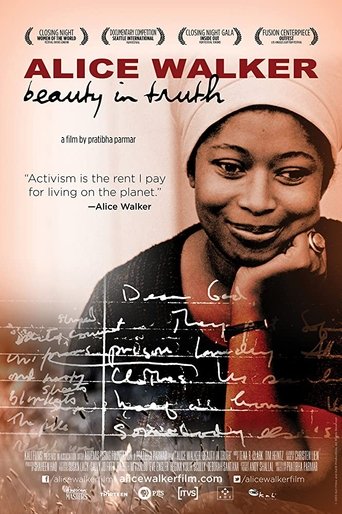
The compelling story of an extraordinary woman's journey from her birth in a paper thin shack in the cotton fields of Georgia to her recognition as a key writer of the twentieth Century.Walker made history as the first black woman to win a Pulitzer Prize for her groundbreaking novel, The Color Purple.
Despite the 1960s free-love and alternative culture, many women found that their lives and expectations had barely altered. But by the 1970s, the Women's Liberation Movement was causing seismic shifts in the march of the world's events, and women's creativity and political consciousness was soon to transform everything - including the face of publishing and literature. In 1973 a group of women got together and formed Virago Press; an imprint, they said, for 52 per cent of the population. These women were determined to make change - and they would start by giving women a voice, by giving them back their history and reclaiming women's literature.
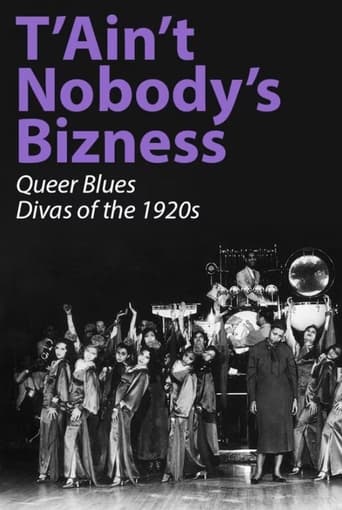
The 1920s saw a revolution in technology, the advent of the recording industry, that created the first class of African-American women to sing their way to fame and fortune. Blues divas such as Bessie Smith, Ma Rainey, and Alberta Hunter created and promoted a working-class vision of blues life that provided an alternative to the Victorian gentility of middle-class manners. In their lives and music, blues women presented themselves as strong, independent women who lived hard lives and were unapologetic about their unconventional choices in clothes, recreational activities, and bed partners. Blues singers disseminated a Black feminism that celebrated emotional resilience and sexual pleasure, no matter the source.

This documentary profiles economist and writer Marilyn Waring. In extensive interviews, Waring details her feminist approach to finances and challenges commonly accepted truths about the global economy. The filmmakers detail Waring's early rise to political prominence and her successful protests against nuclear arms. Waring also speaks candidly about wartime economies, suggesting that government policies tend to marginalize the fiscal contributions of women.