

Czwarta nad ranem
Documentary
Overview
A highschool project recorded by father and son Ben (16) and Adam Black, consisting of documental shots of Warsaw during nighttime, accompanied by the teen-agers grandmother reading Wisława Szymborska's poem "Four in the Morning," as well as a score composed by his sister.
Top Cast


Ewa Błasiak
Ewa Błasiak
Narrator
Ewa Błasiak
Narrator
Similar Movies
"This film explores how freedom of speech — including dissent — is afforded to all Americans, and shows freedom of expression in art, music, dance, architecture, and science. The film also emphasizes the importance of the individual’s contribution to the whole of society and demonstrates how a productive and creative society is formed by the open and respectful exchange of ideas. The film was written, produced, and directed by William Greaves" (National Archives).
Yannick Bellon's documentary paints a portrait of a city torn between the problem of unsanitary housing, pollution corroding walls and statues, and the recurring and increasing floods—all consequences of human activity. Faced with job shortages and rampant speculation, the overarching question arises of how industries can coexist with the city of Venice. Allowing them to develop risks destroying it; driving them out risks turning it into a museum, causing its inhabitants, and thus its soul, to leave.
This documentary explores the complexities of Los Angeles. Blending a highly structured montage of shots exploring the city with interviews of students, the writer Henry Miller, and residents from all communities, this evocation of Angelenos' city paints a portrait of a living, constantly evolving entity.
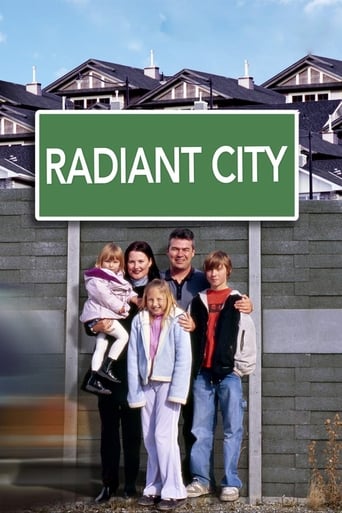
Since the end of World War II, one of kind of urban residential development has dominate how cities in North America have grown, the suburbs. In these artificial neighborhoods, there is a sense of careless sprawl in an car dominated culture that ineffectually tries to create the more organically grown older communities. Interspersed with the comments of various experts about the nature of suburbia
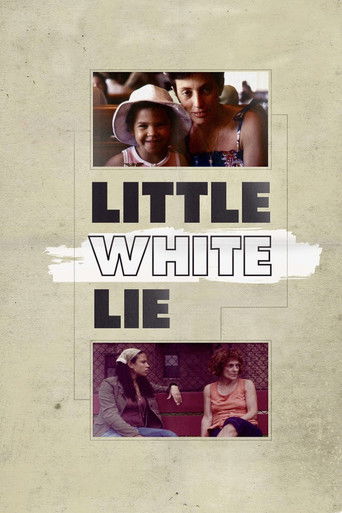
Lacey Schwartz grew up in a typical upper-middle-class Jewish household in Woodstock, NY, with loving parents and a strong sense of her Jewish identity - despite the open questions from those around her about how a white girl could have such dark skin. She believes her family's explanation that her looks were inherited from her dark-skinned Sicilian grandfather. But when her parents abruptly split, her gut starts to tell her something different. At age of 18, she finally confronts her mother and learns the truth: her biological father was not the man who raised her, but a black man named Rodney with whom her mother had had an affair.
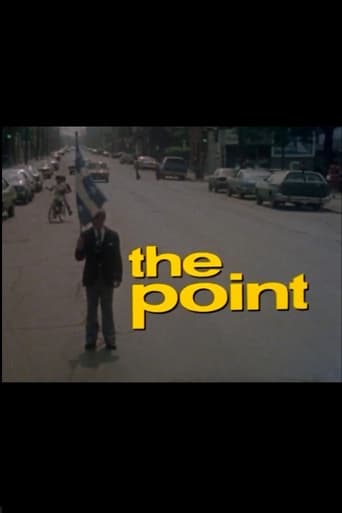
This documentary is a portrait of Point St. Charles, one of Montreal’s notoriously bleak neighbourhoods. Many of the residents are English-speaking and of Irish origin; many of them are also on welfare. Considered to be one of the toughest districts in all of Canada, Point St. Charles is poor in terms of community facilities, but still full of rich contrasts and high spirits – that is, most of the time.
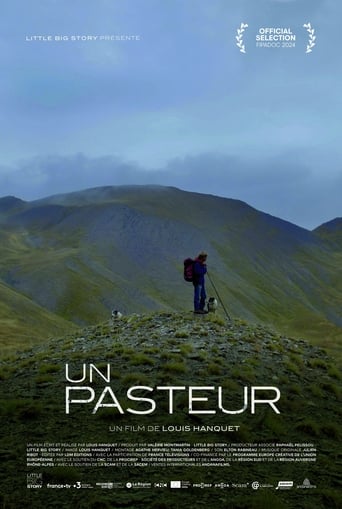
Félix, a young, melancholic and secretive shepherd, leads a surprisingly timeless life. He lives alone and works along his father to raise the family herd. From autumn to spring, he looks after his animals, feeds them and keeps them in the dense forests of holm oaks of French Pre-Alps. In the summer, he travels on foot for more than two hundred kilometres, leaving his father to lead the herd to the mountains pastures, in the High Alps Ubaye valley. There, he lives far from everything for many long months, in a mineral and inaccessible world where an invisible being prowls: the wolf. Against the tide of his time, Félix has chosen a profession that isolates him and keeps him out of the world.
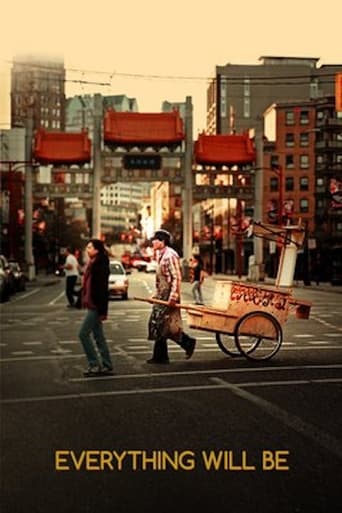
Sundance award-winning director Julia Kwan’s documentary Everything Will Be captures the subtle nuances of a culturally diverse neighbourhood—Vancouver’s once thriving Chinatown—in the midst of transformation. The community’s oldest and newest members offer their intimate perspectives on the shifting landscape as they reflect on change, memory and legacy. Night and day, a neon sign that reads "EVERYTHING IS GOING TO BE ALRIGHT" looms over Chinatown. Everything is going to be alright, indeed, but the big question is for whom?