

Autobiography of My Diabetes
Documentary
Overview
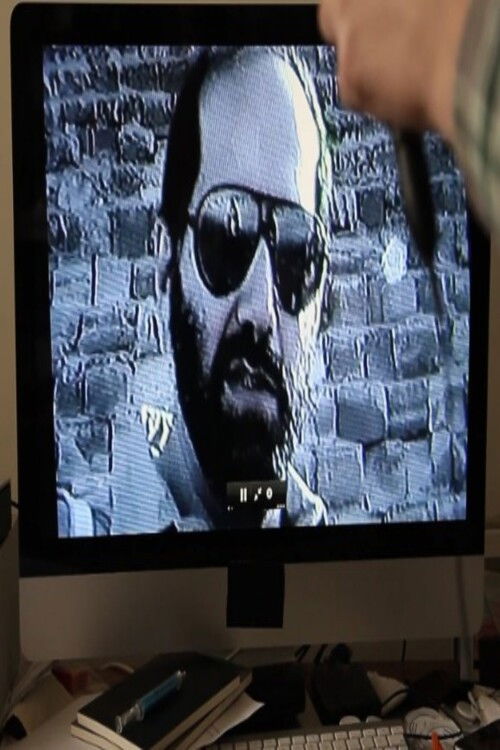
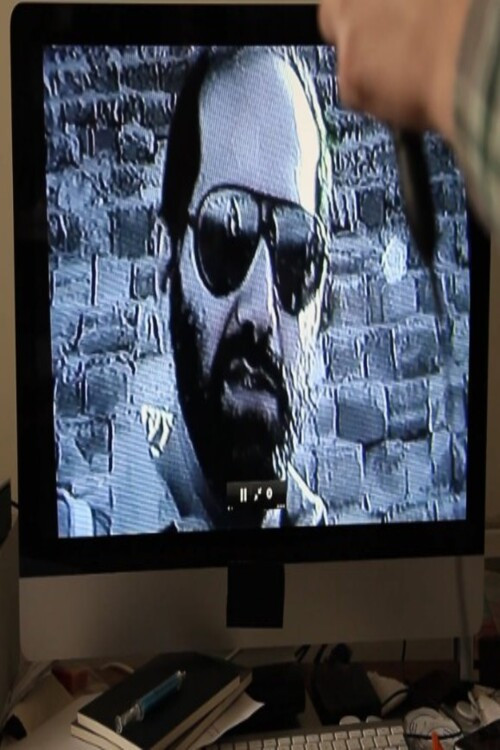
After the making of my previous film (PLAY DEAD!), some unfinished business remained on my desktop. Home movies and various body horror films from my childhood cluttered my computer screen. Part medical treatise, part self-anamnesis, and a mashup tinged with nostalgia, this video essay returns the images emanating from my computer screen to the everyday gaze of a diabetic.



No cast information.
Similar Movies

The film interweaves the personal accounts of polio survivors with the story of an ardent crusader who tirelessly fought on their behalf while scientists raced to eradicate this dreaded disease. Based in part on the Pulitzer Prize-winning book Polio: An American Story by David Oshinsky, Features interviews with historians, scientists, polio survivors, and the only surviving scientist from the core research team that developed the Salk vaccine, Julius Youngner.

A respected documentary maker hears from a friend that his long term depression has been helped after watching a video entitled "Food matters" and following a nutritional protocol involving high doses of vitamins, as outlined by a featured speaker in Foodmatters, by the name of Andrew W Saul. Beatie visits Saul and is given an outline of Orthomolecular Medicine, the protocol envisaged by Nobel prize winners and eminent scientists.
In January 1996 filming began on a new episode of Doctor Who set in San Francisco, but shot in Vancouver, Canada. Sylvester McCoy flew out to join the production team to re-create his role as the Seventh Doctor and to hand over to Paul McGann. In this behind-the-scenes video diary, Sylvester gives us a personal account of his final days as the famous Timelord. Reminiscing about the "old days" and drawing comparisons with the experience of working on this latest adventure, he talks to Paul McGann, Daphne Ashbrook (Dr Grace Holloway) from the new production and Anneke Wills (Polly) from the show's past. All shot on Hi-8 camcorder.
If there is one person Matthew Lancit can’t get out of his mind, it is his uncle Harvey. Dark rings around his eyes, pale, blind, his legs amputated. Like Harvey, the filmmaker also suffers from diabetes. He has the disease under control, but one question is always nagging at him: How much longer? His long-term (self-)observation reliably revolves around fears of infirmity and mutilation. He translates the feared body horror into film, stages himself as a zombie, vampire, a desolate figure. Lancit playfully anticipates his potential decline, serving up a whole arsenal of effects which – as video recordings prove – go back to his youth. It is not for nothing that the “dead” in the title is also reminiscent of “dad.” Because “Play Dead!” also negotiates his own role as a father.